

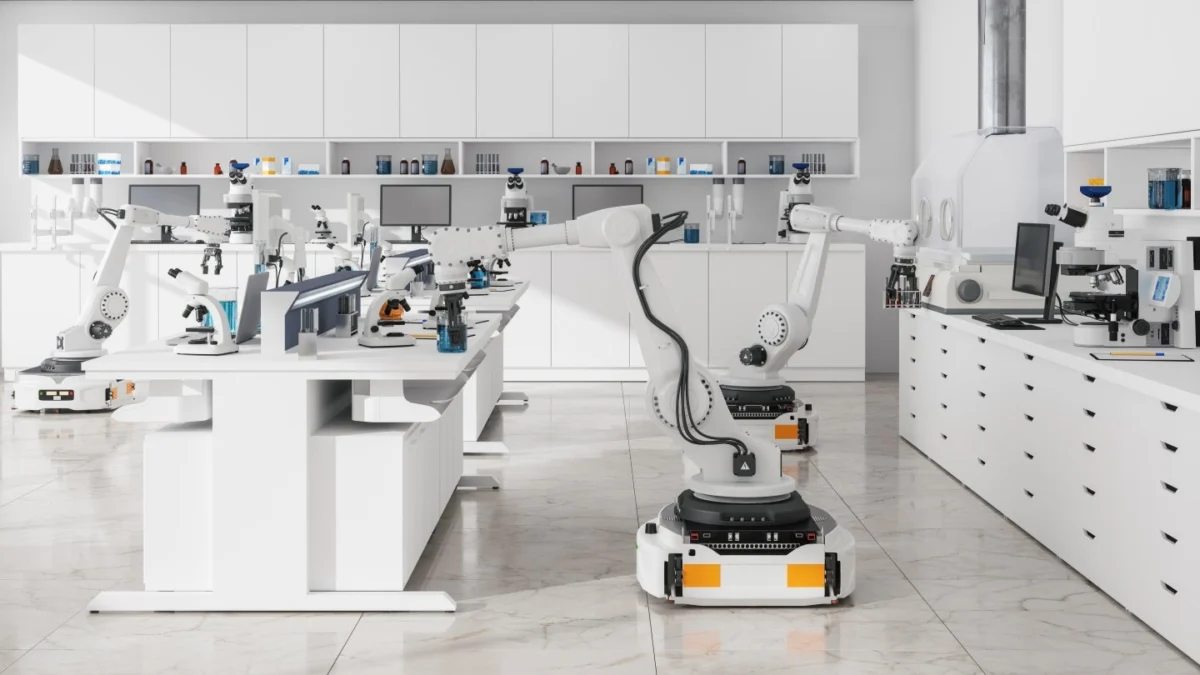
The landscape of biopharmaceutical research and development (R&D) is undergoing a seismic shift, driven by the integration of advanced robotics and artificial intelligence (AI). These technological advancements are ushering in an era of "autonomous labs," sophisticated environments capable of conducting biomedical research with unprecedented levels of precision, consistency, and efficiency. Jason Kelly, CEO of Ginkgo Bioworks, a prominent player in the field of synthetic biology and autonomous lab development, recently shared insights into the company’s pioneering work and the profound implications these innovations hold for the future of drug discovery and development.
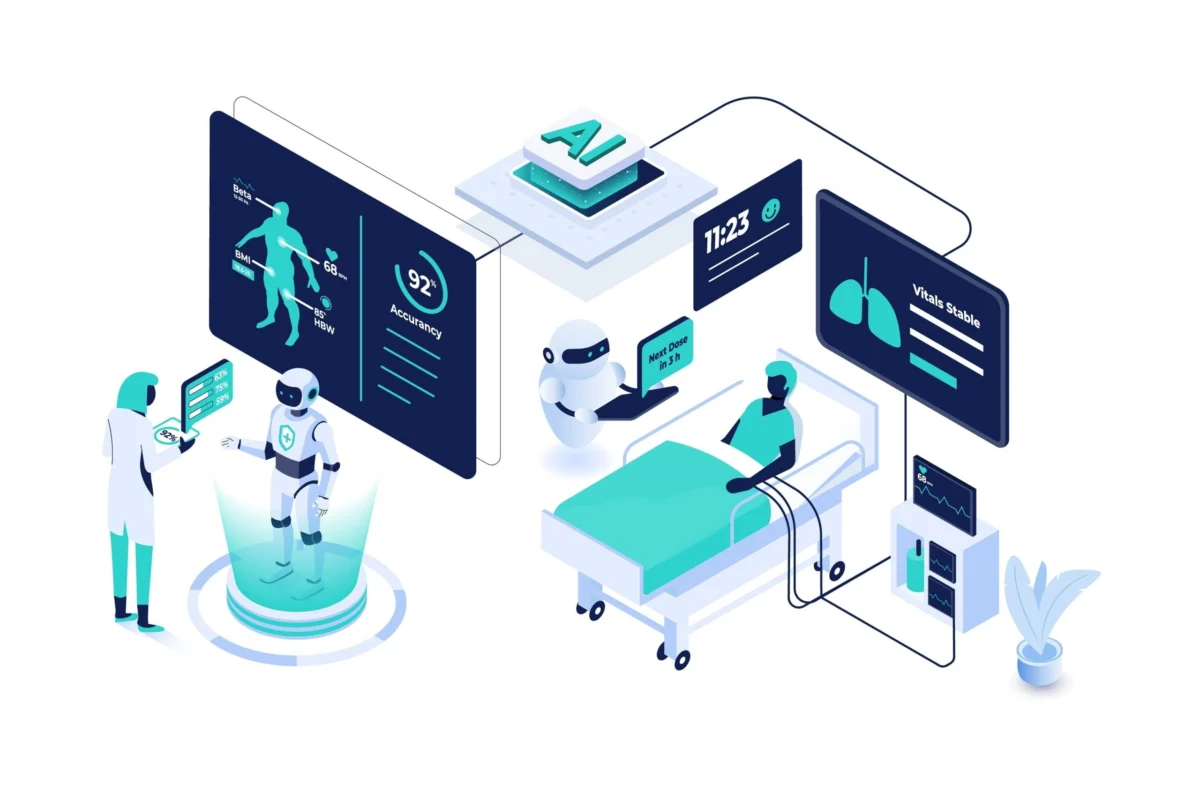
Autonomous labs represent a paradigm shift from traditional, human-intensive laboratory settings. They are characterized by the extensive use of automated machinery, including self-loading bioreactors, precision robotic arms, and sophisticated liquid handling systems, all orchestrated by intelligent AI agents. This fusion of hardware and software allows for the execution of complex experimental protocols with minimal human intervention, accelerating the pace of scientific inquiry and reducing the potential for human error.
The Genesis of Autonomous Labs in Biopharma
The concept of laboratory automation is not new, but the current wave of autonomous labs is distinguished by its deep integration with AI and machine learning. Historically, laboratory automation focused on repetitive tasks, increasing throughput and standardization. However, the advent of powerful AI algorithms has enabled systems to not only perform tasks but also to learn, adapt, and even make decisions based on experimental data.
Ginkgo Bioworks, founded in 2008, has been at the forefront of this evolution, leveraging its expertise in synthetic biology to build and operate what it describes as the "foundry for biological engineering." The company’s vision extends beyond mere automation; it aims to create a fully integrated platform where biological design, experimentation, and data analysis are seamlessly connected and optimized through automated processes.
In a recent discussion featured on GlobalData Media’s Healthcare podcast, Jason Kelly elaborated on Ginkgo’s progress and the transformative potential of autonomous labs. He emphasized that the rise of these advanced systems is not about replacing human researchers but about fundamentally altering their roles and augmenting their capabilities.
Redefining the Role of the Human Researcher
A key concern surrounding the proliferation of autonomous labs is the potential impact on the human workforce in R&D. However, Kelly articulated a compelling vision where AI-driven systems and automated laboratories act as powerful collaborators, not replacements.
"AI scientists will not replace humans," Kelly stated, underscoring a sentiment that resonates with many in the scientific community who view these technologies as tools to enhance human intellect and creativity. Instead, he posited that the introduction of autonomous labs will liberate researchers from the more routine, labor-intensive aspects of experimentation. This liberation will allow them to shift their focus towards higher-level, more abstract, and strategic aspects of R&D.
This shift entails a reorientation of the researcher’s role from executing experiments to designing them, interpreting complex datasets generated by autonomous systems, and formulating overarching scientific hypotheses. Researchers will increasingly be tasked with posing the critical questions that guide the direction of R&D, while the autonomous labs will be responsible for efficiently and accurately generating the data needed to answer them. This dynamic suggests a future where human ingenuity is amplified by the tireless precision and scalability of AI-powered laboratories.
The Impact on Drug Development Timelines and Costs
The biopharmaceutical industry has long grappled with the immense costs and lengthy timelines associated with drug discovery and development. The traditional drug development process can take over a decade and cost billions of dollars, with a high attrition rate for drug candidates. Autonomous labs offer a potential solution to these persistent challenges.
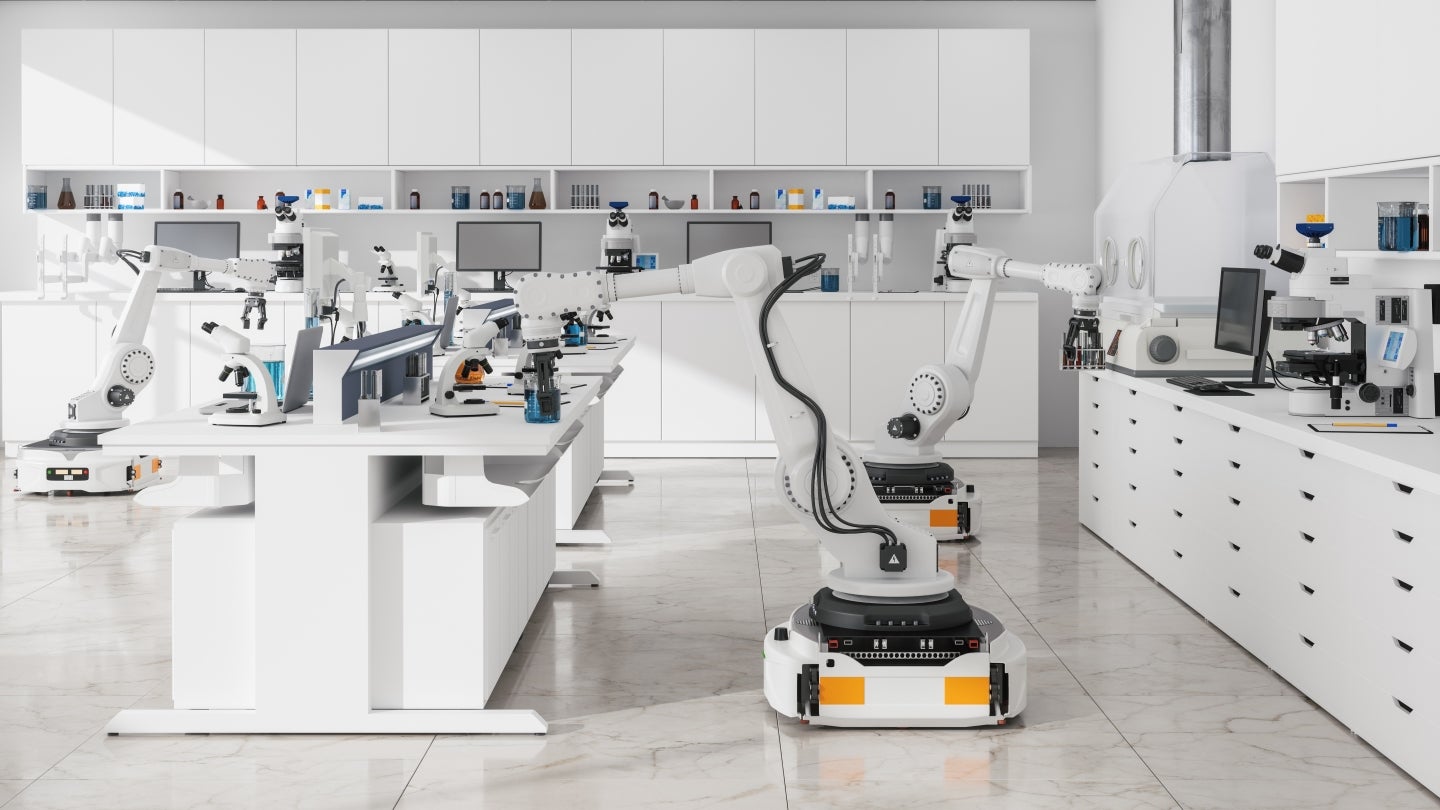
By automating experimental design, execution, and analysis, these labs can significantly accelerate the iterative cycles of hypothesis testing and optimization that are central to R&D. This means that potential drug candidates can be screened, refined, and validated at a much faster pace. For instance, a process that might take months in a traditional lab could potentially be completed in weeks or even days using an autonomous system.
Furthermore, the increased precision and consistency of automated systems can lead to more reliable experimental outcomes, reducing the likelihood of costly failures due to irreproducible results. This enhanced reliability can streamline the progression of promising candidates through preclinical and clinical trials, potentially leading to faster market entry for new therapies and improved patient access.
While specific quantitative data on the cost and time savings directly attributable to Ginkgo’s autonomous labs in all their projects is proprietary, the general industry trend points towards significant improvements. For example, companies investing in advanced automation and AI are reporting reductions in experimental run times and an increase in the number of experiments that can be conducted within a given timeframe. A hypothetical scenario might involve an autonomous lab screening thousands of microbial strains for a specific metabolic pathway, a task that would be logistically challenging and time-consuming for a human team.
The Architecture of Autonomous Biopharma Labs
The operational framework of an autonomous lab can be understood as a sophisticated interplay between several key components:
- Automated Hardware: This includes robotic liquid handlers, automated plate readers, incubators, centrifuges, and other specialized laboratory equipment that can perform tasks without direct human manipulation. Self-loading bioreactors, for example, can manage the growth and sampling of cell cultures autonomously.
- AI and Machine Learning Algorithms: These are the "brains" of the operation. AI agents are responsible for interpreting experimental goals, designing experimental protocols, controlling the automated hardware, analyzing incoming data, and making real-time adjustments to experiments based on learned patterns and outcomes.
- Data Management and Integration Platforms: A robust data infrastructure is crucial for capturing, storing, and processing the vast amounts of data generated by autonomous experiments. These platforms enable seamless integration of data from various sources and facilitate its analysis by AI algorithms and human researchers.
- Robotics and Engineering: The physical movement and manipulation of samples, reagents, and equipment are managed by advanced robotics. Precision engineering ensures the reliability and accuracy of these mechanical systems.
The process typically begins with a researcher defining a scientific question or goal. This input is then translated by AI into a series of experimental steps. The AI then instructs the robotic systems to execute these steps, managing the flow of materials and the operation of instruments. Throughout the experiment, sensors and analytical instruments continuously feed data back to the AI, which analyzes it in real-time. If deviations from expected outcomes occur, or if new insights emerge, the AI can adapt the experimental plan accordingly. Once an experiment is complete, the AI presents a synthesized report of the findings, often highlighting key discoveries and suggesting next steps.
Ginkgo Bioworks’ Strategic Approach
Ginkgo Bioworks’ strategy centers on building a broad platform that can serve a diverse range of industries and applications, from pharmaceuticals and agriculture to food and materials science. The company’s expertise in synthetic biology, which involves designing and constructing new biological parts, devices, and systems, is a natural fit for an automated, data-driven approach.
By developing and deploying advanced automation and AI, Ginkgo aims to make biological engineering more accessible, predictable, and scalable. Their approach involves:
- Standardization and Modularity: Creating standardized biological parts and processes that can be easily assembled and manipulated by automated systems.
- High-Throughput Experimentation: Enabling the rapid and parallel execution of a large number of experiments to explore vast biological design spaces.
- Data-Driven Optimization: Using AI to learn from experimental data and continuously improve biological designs and processes.
Ginkgo’s partnerships with various companies across different sectors highlight the versatility of their autonomous lab model. These collaborations often involve leveraging Ginkgo’s platform to develop novel products or improve existing processes for their partners, demonstrating a business model that is deeply intertwined with the advancement of autonomous R&D.
The Broader Impact and Future Implications
The widespread adoption of autonomous labs in biopharma has far-reaching implications:
- Accelerated Drug Discovery: Faster identification and validation of drug targets and therapeutic candidates.
- Personalized Medicine: The ability to conduct highly specific experiments for individual patient profiles, paving the way for truly personalized treatments.
- Development of Novel Therapies: Enabling the exploration of complex biological systems and the development of entirely new classes of therapeutics, such as cell and gene therapies, with greater efficiency.
- Increased Accessibility to R&D: Potentially democratizing access to advanced R&D capabilities, allowing smaller companies and academic institutions to compete more effectively.
- New Skill Sets for Researchers: The demand for researchers with expertise in data science, AI, automation engineering, and systems biology will likely increase.
The integration of autonomous labs is not a distant future prospect; it is a rapidly unfolding reality. As AI capabilities continue to advance and robotics become more sophisticated, the efficiency, accuracy, and scope of what can be achieved in a biopharmaceutical R&D setting will continue to expand. Jason Kelly’s insights from Ginkgo Bioworks offer a clear vision of a future where human researchers, empowered by intelligent automated systems, will drive innovation at an unprecedented pace, ultimately benefiting patients worldwide. The evolution of these labs signifies a fundamental reimagining of the scientific process, promising a more agile, data-rich, and ultimately more successful journey from concept to cure.















Leave a Reply