In a landmark study that bridges the gap between mechanical movement and molecular biology, a research team from the Department of Medicine at the School of Clinical Medicine, LKS Faculty of Medicine, University of Hong Kong (HKUMed) has successfully identified the biological mechanism that translates physical activity into bone strength. The discovery of a specific protein, Piezo1, which functions as the body’s internal "exercise sensor," marks a significant shift in the understanding of skeletal health. This breakthrough provides a potential roadmap for the development of "exercise mimetics"—pharmacological treatments designed to replicate the bone-strengthening benefits of physical activity for individuals who are physically unable to perform it.
The findings, published in the prestigious international journal Signal Transduction and Targeted Therapy, come at a critical time as global populations age and the prevalence of osteoporosis continues to rise. For millions of older adults, bedridden patients, and those suffering from chronic degenerative diseases, the inability to engage in weight-bearing exercise creates a dangerous cycle of bone loss and increased fracture risk. By decoding the molecular signals that bones use to "feel" movement, the HKUMed team has identified a specific target that could eventually be manipulated through medication to preserve bone density without the need for physical exertion.
The Biological Mechanics of Bone Density and the Role of Piezo1
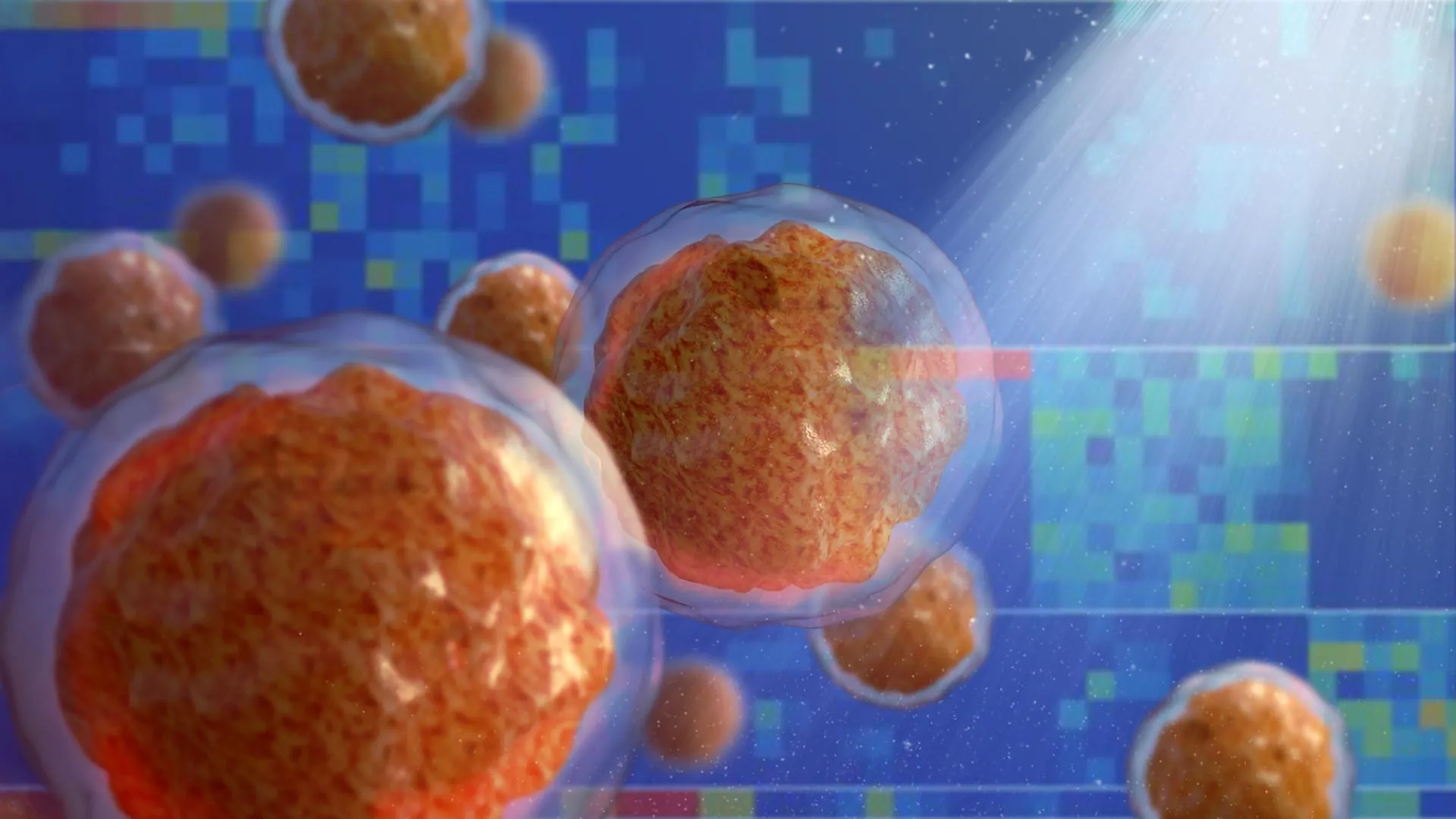
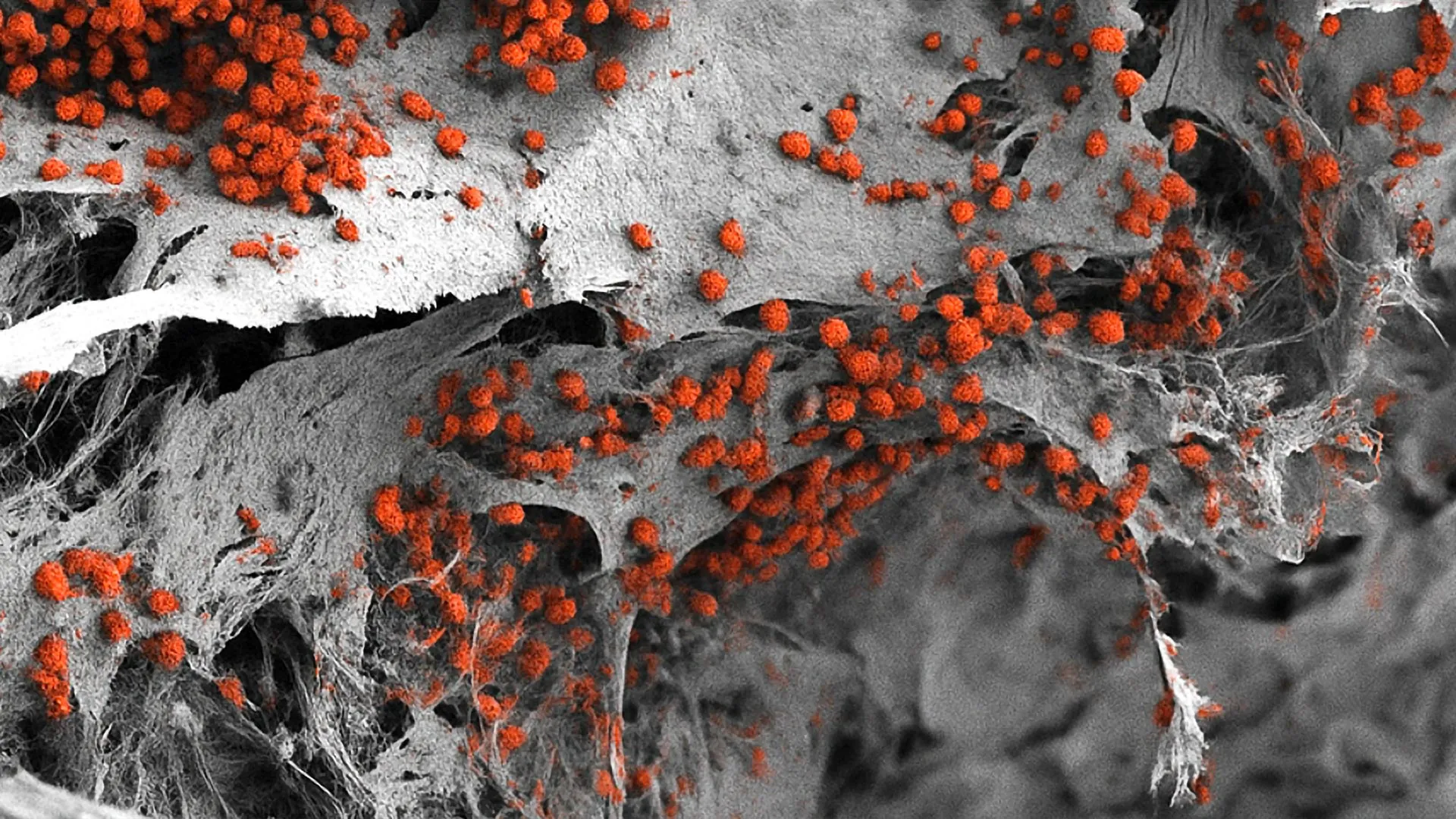
At the heart of the study is the complex environment within the bone marrow, where mesenchymal stem cells (MSCs) reside. These versatile cells serve as the precursors for various tissues, possessing the unique ability to differentiate into either osteoblasts (bone-forming cells) or adipocytes (fat cells). In a healthy, active individual, physical forces such as gravity, walking, and resistance training send mechanical signals to these stem cells, encouraging them to transform into bone tissue.
However, the HKUMed researchers discovered that this decision-making process at the cellular level is governed by the Piezo1 protein. Located on the surface of the mesenchymal stem cells, Piezo1 acts as a mechanosensitive ion channel. When the body moves, the resulting physical pressure activates Piezo1, which then triggers a cascade of chemical signals that favor bone production while actively suppressing the formation of marrow fat.
"We have essentially decoded how the body converts movement into stronger bones," explained Professor Xu Aimin, Director of the State Key Laboratory of Pharmaceutical Biotechnology and Chair Professor in the Department of Medicine at HKUMed, who led the research. "We have identified the molecular exercise sensor, Piezo1, and the signaling pathways it controls. This gives us a clear target for intervention. By activating the Piezo1 pathway, we can mimic the benefits of exercise, effectively tricking the body into thinking it is exercising, even in the absence of movement."
Why Bone Loss Accelerates with Age and Inactivity
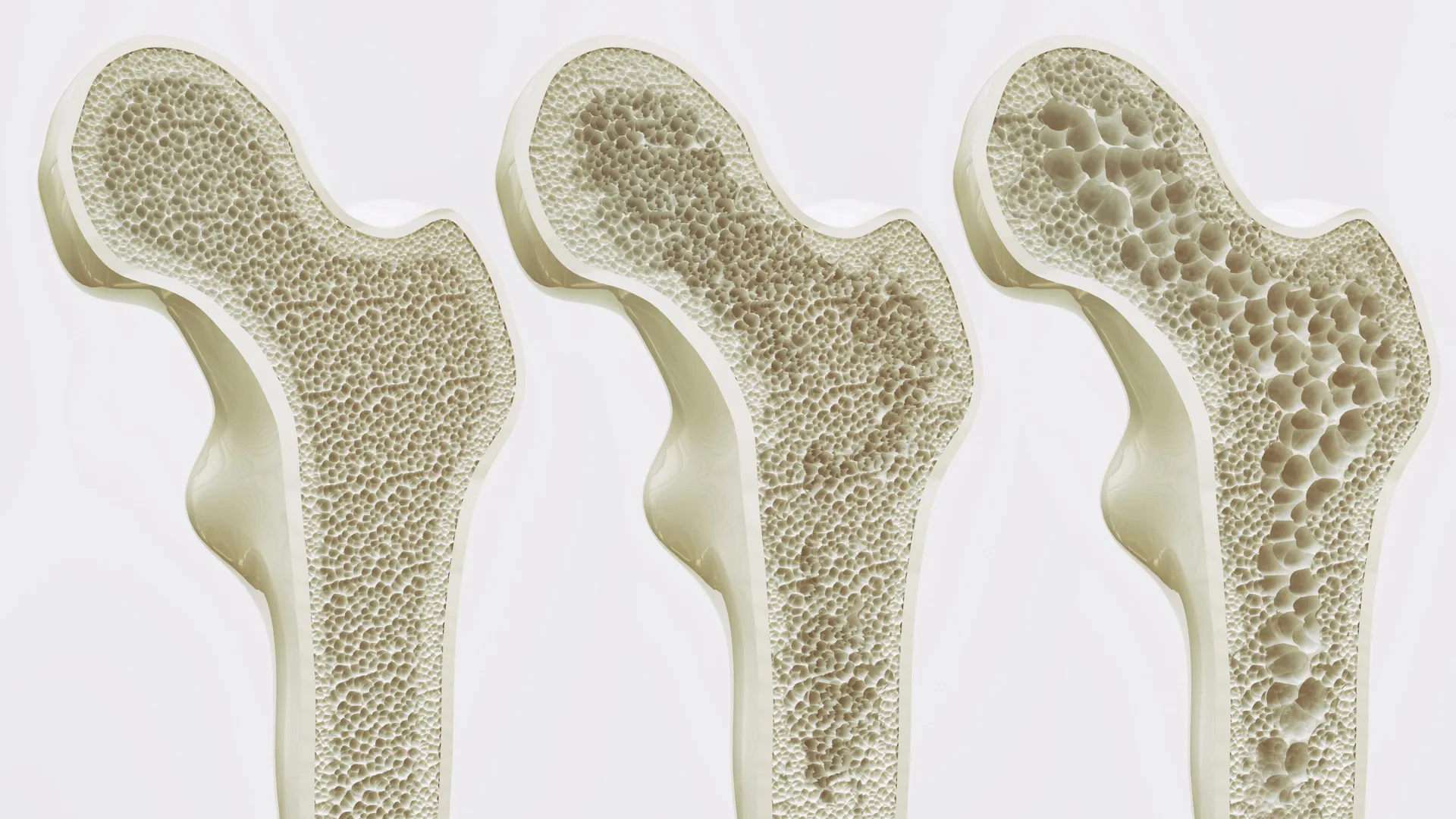
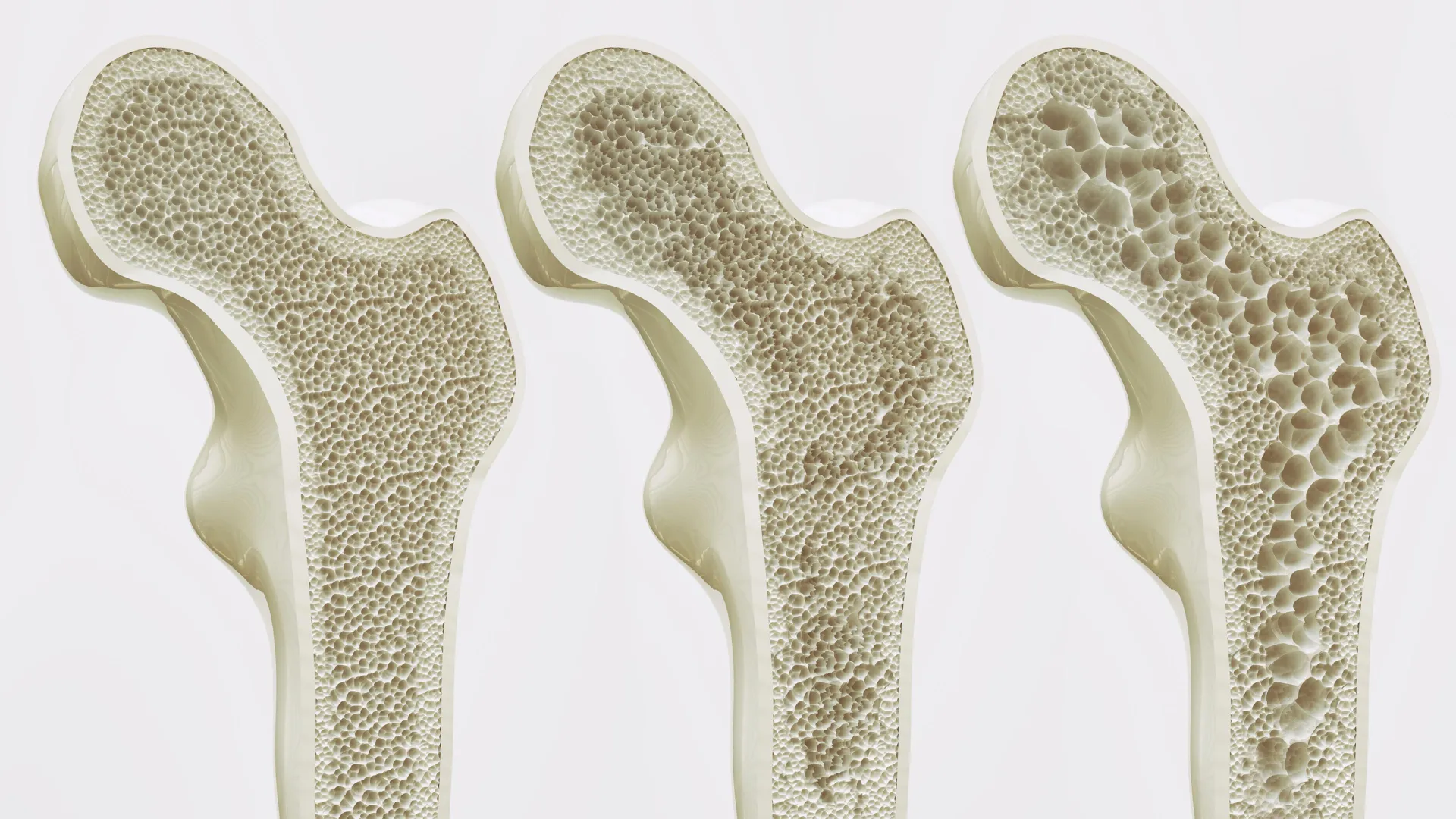
The research addresses a fundamental challenge in geriatric medicine: the natural shift in bone marrow composition that occurs with age. As humans grow older, the balance between bone and fat in the marrow begins to tilt. Mesenchymal stem cells increasingly favor the production of fat cells over bone cells, leading to a condition known as fatty marrow. This accumulation of fat does more than just occupy space; it crowds out healthy bone tissue and creates a pro-inflammatory environment that further accelerates bone degradation.
Through rigorous experiments using both mouse models and human stem cell cultures, the HKUMed team demonstrated that the absence or dysfunction of Piezo1 is a primary driver of this age-related decline. When Piezo1 is inactive, the stem cells lose their ability to sense mechanical load. Consequently, they default to fat production. Furthermore, the researchers found that a lack of Piezo1 triggers the release of specific inflammatory signals, namely Ccl2 and lipocalin-2. These signals act as chemical messengers that further encourage stem cells to become fat and actively interfere with the growth of new bone.
By blocking these inflammatory signals in experimental models, the researchers were able to restore a healthier balance within the bone marrow, suggesting that the Piezo1 pathway is the primary regulator of this "bone-fat switch."
Supporting Data: The Growing Global Burden of Osteoporosis
The implications of this research are underscored by the staggering statistics surrounding bone health worldwide. Osteoporosis is often described as a "silent epidemic" because bone loss occurs without symptoms until a fracture happens. According to data from the World Health Organization (WHO), approximately one in three women and one in five men over the age of 50 will experience an osteoporotic fracture in their lifetime.
In the context of Hong Kong, the situation is particularly acute due to one of the fastest-aging populations in the world. Local data indicates that osteoporosis affects approximately 45% of women and 13% of men aged 65 and older. These fractures—most commonly occurring in the hip, spine, and wrist—are not merely orthopedic issues; they are major life events that carry high rates of morbidity and mortality. Statistics show that up to 20% of elderly patients who suffer a hip fracture die within one year due to complications related to immobility and surgery.
The economic strain is equally significant. The cost of treating osteoporotic fractures, including acute hospital care and long-term rehabilitation, runs into billions of dollars annually for healthcare systems globally. In Hong Kong, as the number of citizens over the age of 65 is expected to reach 2.5 million by 2039, the demand for innovative solutions that prevent bone loss before fractures occur has never been higher.
Expert Perspectives on the Path to "Exercise Mimetics"
The study was a collaborative effort involving international expertise, reflecting the global importance of the findings. Professor Eric Honoré, a Team Leader at the Institute of Molecular and Cellular Pharmacology of the French National Centre for Scientific Research (CNRS), served as a co-leader of the research. He highlighted that this discovery moves the medical field beyond traditional physical therapy.
"This offers a promising strategy beyond traditional physical therapy," Professor Honoré stated. "In the future, we could potentially provide the biological benefits of exercise through targeted treatments, thereby slowing bone loss in vulnerable groups such as bedridden patients or those with limited mobility, and substantially reducing their risk of fractures."
Dr. Wang Baile, Research Assistant Professor at HKUMed and co-leader of the study, emphasized the humanitarian aspect of the discovery. "This discovery is especially meaningful for older individuals and patients who cannot exercise due to frailty, injury, or chronic illness," Dr. Wang said. "Our findings open the door to developing ‘exercise mimetics’—drugs that chemically activate the Piezo1 pathway to help maintain bone mass and support independence."
Analysis of Implications and Future Clinical Applications
The identification of Piezo1 as a "mechanical sensor" represents a paradigm shift in how scientists approach the treatment of bone disease. Currently, most osteoporosis medications fall into two categories: antiresorptive agents (which slow the breakdown of old bone) and anabolic agents (which help build new bone). However, these treatments often come with side effects or limitations in long-term efficacy.
The development of a drug that targets the Piezo1 pathway would represent a third category of treatment: a mechanomimetic. Such a drug would work by simulating the physiological signals of movement, potentially offering a more natural way to maintain the bone-fat balance in the marrow.
Beyond osteoporosis, the implications of this research could extend to:
- Space Medicine: Astronauts in microgravity environments suffer from rapid bone density loss because their bones are not subjected to the force of gravity. A Piezo1 activator could potentially mitigate this "space-induced osteoporosis."
- Recovery from Traumatic Injury: Patients with spinal cord injuries or those undergoing long-term recovery from surgery often face permanent bone loss due to prolonged immobility.
- Chronic Illness Management: Individuals with conditions like multiple sclerosis or severe COPD, which limit physical activity, could benefit from a pharmacological way to protect their skeletal integrity.
Conclusion and Research Support
The HKUMed research team is now moving toward the next phase of their work: translating these laboratory findings into clinical applications. This involves the screening of chemical compounds that can safely and effectively activate the Piezo1 protein in human subjects. While the journey from a molecular discovery to a pharmacy shelf is long, the identification of the target is the most critical hurdle.
This collaborative study was co-led by Professor Xu Aimin, the Rosie T T Young Professor in Endocrinology and Metabolism, and Dr. Wang Baile, both of the State Key Laboratory of Pharmaceutical Biotechnology at HKUMed. The project also involved significant contributions from Professor Eric Honoré of the CNRS and Université Côte d’Azur, as well as the French National Institute of Health and Medical Research (Inserm).
The research was made possible through extensive support from various funding bodies, including the Areas of Excellence Scheme and the General Research Fund of the Research Grants Council; the Health and Medical Research Fund under the Health Bureau of the Hong Kong SAR Government; the National Key R&D Program of China; and the National Natural Science Foundation of China. International support was provided by the Human Frontier Science Program, the French National Research Agency, and the Macau Science and Technology Development Fund, among others.
As the global medical community continues to grapple with the challenges of an aging society, the work of the HKUMed team provides a beacon of hope. By unlocking the secrets of how our bodies "sense" exercise, they have moved one step closer to a future where the life-changing benefits of physical movement can be accessed by everyone, regardless of their physical limitations.