The Challenge of Estrogen Receptor-Positive Breast Cancer
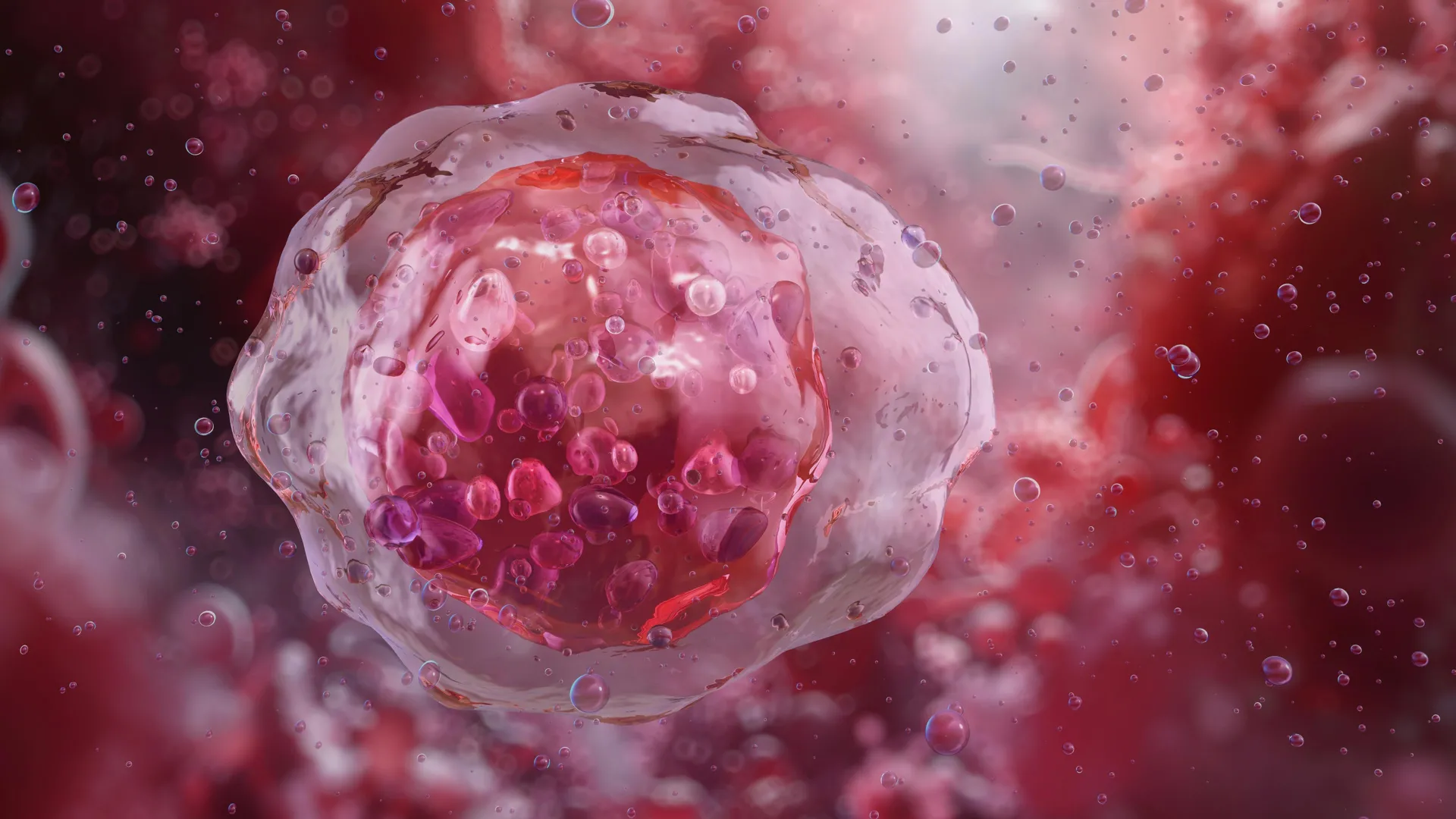
Estrogen receptor-positive (ER+) breast cancer represents approximately 70% to 80% of all breast cancer diagnoses. While this form of the disease often responds well to initial treatments, including surgery, radiation, and endocrine therapies like Tamoxifen, it carries a unique and lingering threat. Unlike more aggressive subtypes that tend to recur quickly if initial treatment fails, ER+ breast cancer is known for its ability to enter a state of dormancy.
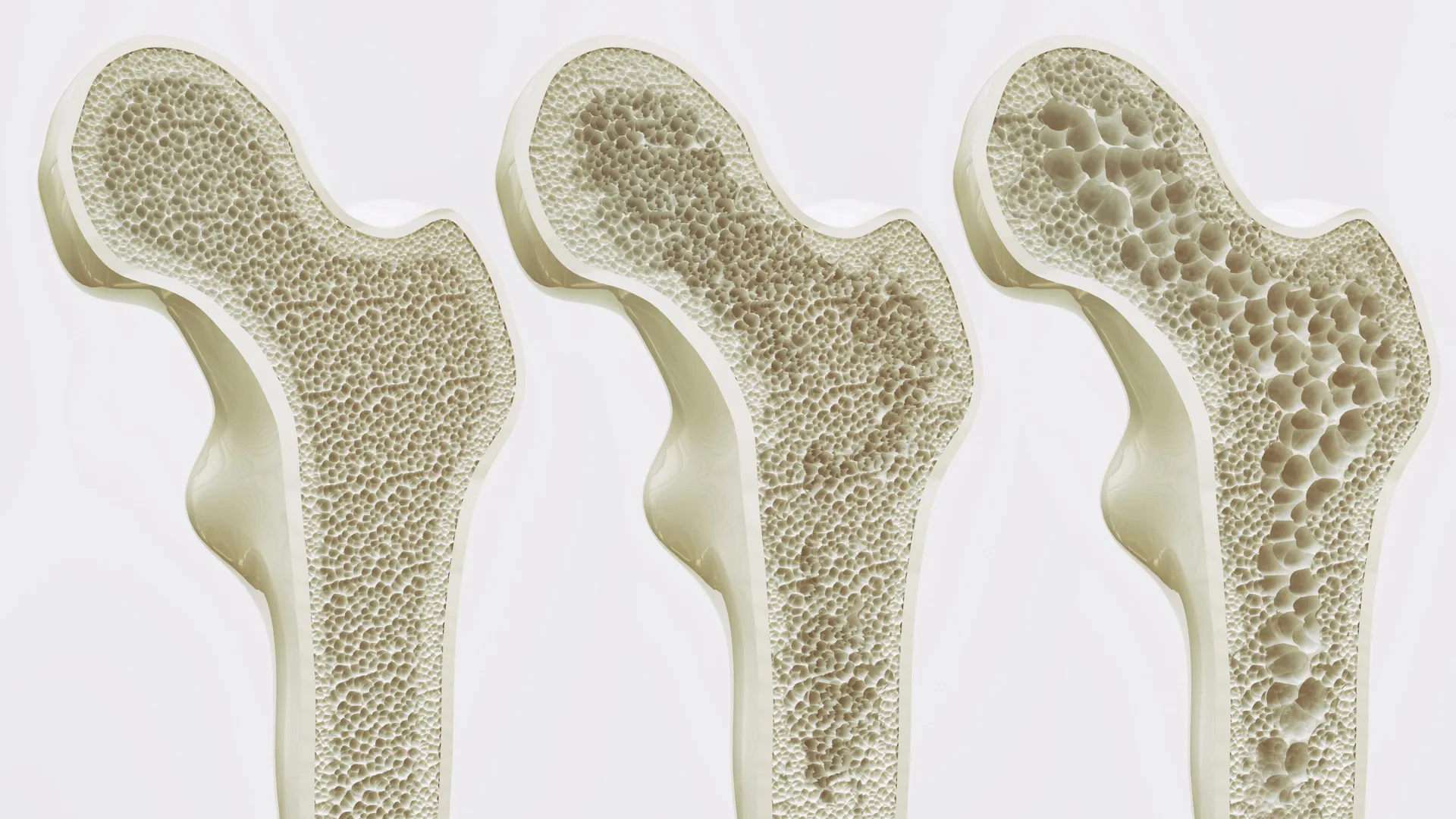
Patients may remain in clinical remission for five, ten, or even twenty years, believing they are cured. However, for roughly 40% of these patients, the cancer eventually returns. When it does, it often manifests in the bone marrow, leading to skeletal-related events such as pathological fractures, severe bone pain, and hypercalcemia—a dangerous buildup of calcium in the blood. More critically, once these cells exit their dormant state in the marrow, they frequently spread to other vital organs, resulting in metastatic disease that is currently considered incurable.
The central mystery for oncologists has long been how these "sleeper cells" manage to survive for decades in the bone marrow while the patient is undergoing targeted therapies designed to starve the cancer of estrogen.
The Discovery of Cellular Tunnels and the "Generous Neighbor"
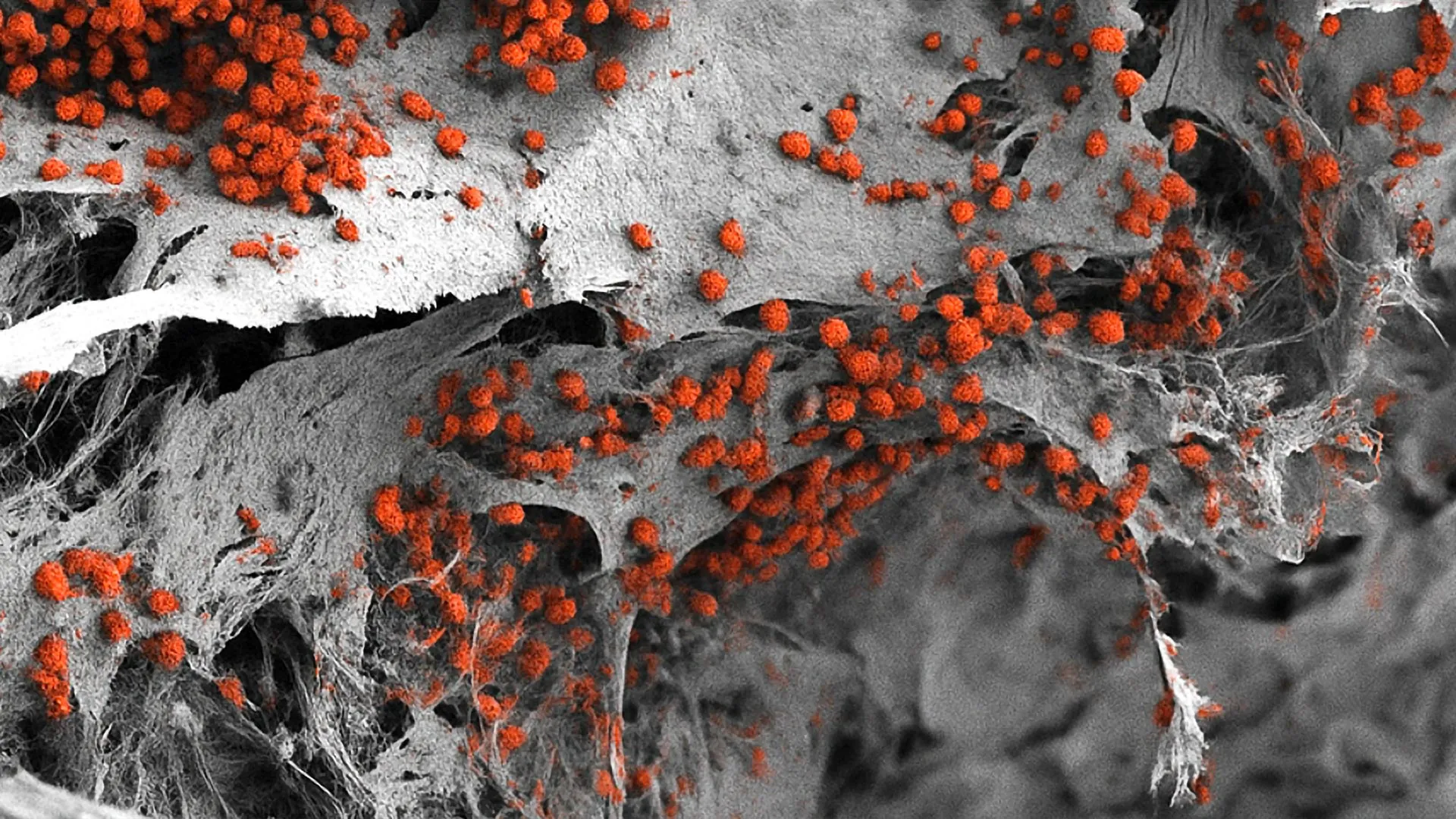
The research team, led by Gary Luker, M.D., head of the Luker Lab at the University of Michigan’s Center for Molecular Imaging, and Pradipta Ghosh, M.D., a professor at UC San Diego School of Medicine, focused on the interaction between breast cancer cells and the bone marrow microenvironment. Their investigation revealed that cancer cells do not exist in isolation within the marrow; instead, they establish a parasitic relationship with a normal cell type known as mesenchymal stem cells (MSCs).
The study found that breast cancer cells require direct, physical contact with these stem cells to survive. This contact is facilitated by the formation of "tumor-stroma tunnels" mediated by a protein called Connexin 43 (CX43). These tunnels serve as conduits for the exchange of biological material.
"The cancer cells physically borrow molecules—proteins, messenger RNA—directly from the mesenchymal stem cells," explained Dr. Luker. "Essentially, the mesenchymal stem cells act as very generous neighbors in donating things that make the cancer cells more aggressive and drug-resistant."
This process of "borrowing" is more akin to molecular smuggling. By siphoning resources from the healthy stem cells, the breast cancer cells are able to maintain their viability and undergo phenotypic changes that prepare them for future invasion, even in an environment where estrogen is being suppressed by medication.
Identifying the GIV Protein: A Master Regulator of Resistance
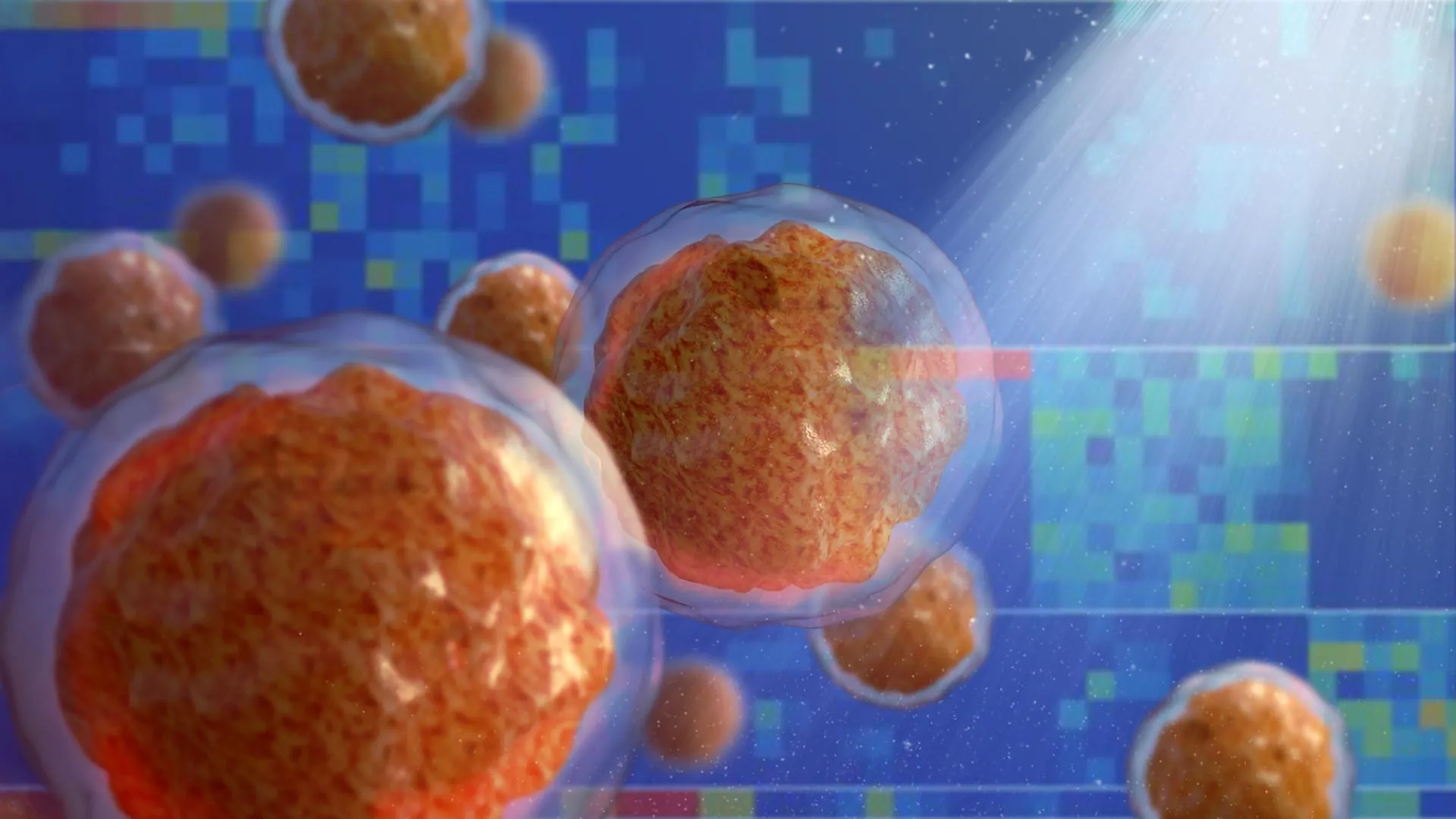
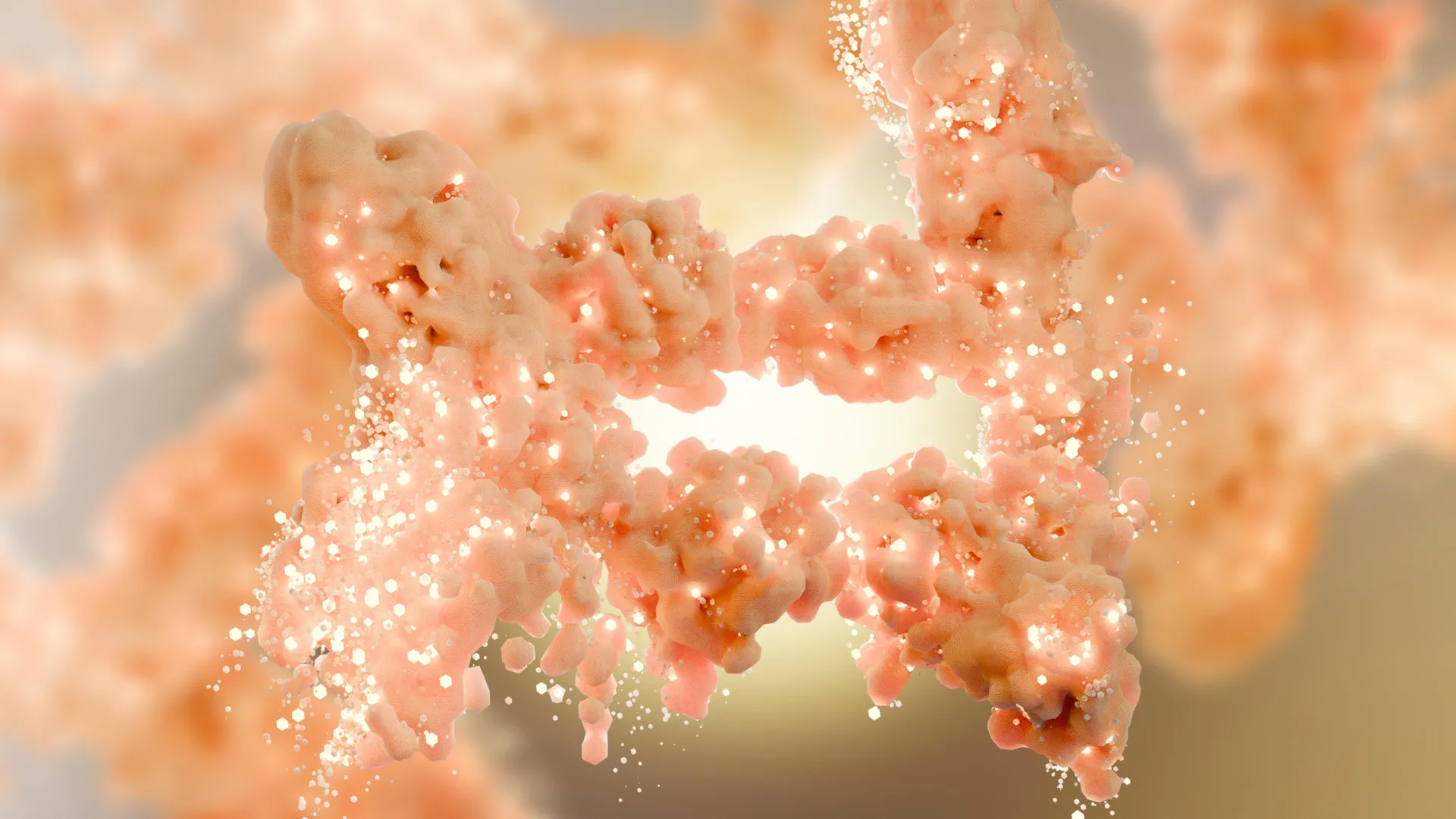
To understand the specific changes occurring within the cancer cells during this exchange, the researchers conducted laboratory experiments that monitored the reaction of hundreds of proteins. Their analysis pinpointed a specific protein that appeared to be the primary beneficiary of the tunnel-mediated transfer: GIV, also known as Girdin (Gα-interacting vesicle-associated protein).
GIV is a well-known driver of malignancy in various forms of cancer. It is associated with increased invasiveness, chemoresistance, and the acquisition of metastatic potential. In the context of ER+ breast cancer in the bone marrow, the researchers discovered that the presence of GIV specifically shields cancer cells from the effects of estrogen-targeted therapies.
Drugs like Tamoxifen work by blocking estrogen receptors on cancer cells, preventing the hormone from signaling the cells to grow. However, when cancer cells acquire GIV through their interactions with mesenchymal stem cells, they develop a bypass mechanism. GIV allows the cells to survive and eventually proliferate despite the lack of estrogen signaling, effectively rendering standard endocrine therapies obsolete for these specific disseminated cells.
Supporting Data and the Chronology of Recurrence
The implications of this study are supported by the known clinical trajectory of ER+ breast cancer. Data from the National Cancer Institute and various longitudinal studies indicate that the risk of recurrence for ER+ patients remains steady for at least 20 years after the initial diagnosis. This "long tail" of risk is distinct from other cancers, where the risk of recurrence typically drops significantly after the five-year mark.
The chronology of this recurrence generally follows a four-stage process:
- Dissemination: During the initial development of the primary breast tumor, small numbers of cancer cells break away and travel through the bloodstream to the bone marrow.
- Dormancy: Once in the marrow, these cells enter a quiescent state, aided by the protective niche provided by the bone environment. They can remain in this state for decades.
- Acquisition: Through the CX43-related tunnels identified in this study, the dormant cells slowly acquire GIV and other aggressive proteins from neighboring mesenchymal stem cells.
- Reawakening: Triggered by changes in the microenvironment or the accumulated "donations" from stem cells, the cancer cells become aggressive, resist therapy, and begin to colonize the bone and other organs.
According to the study authors, the discovery of the CX43-GIV axis explains why many patients who are diligent with their follow-up care and hormonal treatments still face a sudden and aggressive relapse.
Official Responses and Clinical Implications
The research community has reacted to these findings with cautious optimism, as they provide a tangible target for future drug development.
Dr. Pradipta Ghosh emphasized the importance of the "smuggling" analogy in understanding the future of treatment. "Since these cancer cells ‘borrow’ essential proteins from stem cells in the bone marrow through cellular tunnels—much like smuggling—approaches for targeting the tunnels or proteins they smuggle could help prevent the relapse and metastasis of estrogen receptor-positive breast cancer," Ghosh stated.
The potential for clinical intervention lies in two primary areas:
- Tunnel Blockade: Developing small-molecule inhibitors that prevent the formation of CX43-mediated tunnels could effectively isolate the cancer cells from their "generous neighbors," leaving them vulnerable to the body’s immune system or existing therapies.
- GIV Inhibition: Directly targeting the GIV protein or its downstream signaling pathways could strip the cancer cells of their acquired resistance to Tamoxifen and other endocrine treatments.
Currently, there are no approved drugs that specifically target the CX43-GIV interaction in the bone marrow. However, this study provides the necessary biological evidence to begin screening compounds that might interfere with this process.
Broader Impact on Oncology and Patient Care
The findings from the University of Michigan and UC San Diego highlight a shifting paradigm in oncology: the focus is moving from just treating the primary tumor to managing the "microenvironment" that supports disseminated cells.
For patients, this research offers hope for a future where "remission" is more than just a temporary state. If clinicians can develop a way to keep "sleeper cells" asleep—or eliminate them entirely while they are in the bone marrow—the 40% recurrence rate for ER+ breast cancer could be drastically reduced.
Furthermore, the study sheds light on why bone health is so inextricably linked to breast cancer survival. The bone marrow is not just a passive site for metastasis; it is an active participant in the evolution of the disease. This underscores the importance of multidisciplinary care involving both oncologists and bone specialists in the long-term management of breast cancer survivors.
The researchers note that while the current study focused on breast cancer, the mechanism of "tumor-stroma tunnels" may be applicable to other types of cancer that frequently metastasize to the bone, such as prostate and lung cancer. If similar smuggling operations are occurring in those diseases, the CX43-GIV pathway could represent a universal target for preventing late-stage metastatic recurrence.
Conclusion
The study "Breast cancers that disseminate to bone marrow acquire aggressive phenotypes through CX43-related tumor-stroma tunnels" serves as a critical milestone in the fight against breast cancer. By uncovering the secret life of cancer cells in the bone marrow, Dr. Luker, Dr. Ghosh, and their teams have identified a major loophole in current treatment strategies.
As the medical community moves toward more personalized and targeted medicine, understanding the intricate social life of cancer cells—and how they exploit their healthy neighbors—will be essential. The hope is that by cutting off these "smuggling" routes, doctors will one day be able to ensure that when a patient is told they are in remission, they stay in remission for good. Continued research and clinical trials will be necessary to translate these laboratory findings into bedside treatments, but the identification of the CX43 and GIV mechanism marks the beginning of a new chapter in preventing cancer relapse.