


Researchers at the University of Illinois Urbana-Champaign have documented a significant breakthrough in the field of assisted reproductive technology by developing a novel method to select and preserve viable sperm for in vitro fertilization (IVF). The study, led by David Miller, a professor in the Department of Animal Sciences and the Carl R. Woese Institute for Genomic Biology, identifies a specific complex sugar, or glycan, that mimics the natural environment of the female reproductive tract to extend the lifespan of sperm and improve fertilization outcomes. This development addresses a long-standing challenge in both human medicine and animal agriculture: the rapid decline of sperm viability once removed from the body and placed in a laboratory setting.
The success of IVF is contingent upon a multitude of biological variables, with the health and longevity of the male gamete being a primary factor. In natural conception, the fallopian tube, or oviduct, serves as a sophisticated storage reservoir that maintains sperm in a fertile state for several days. Until now, replicating this protective environment in a laboratory dish has proven elusive. The University of Illinois study, recently published in the journal Scientific Reports, demonstrates that by utilizing a specific glycan called sulfated Lewis X trisaccharide (suLeX), scientists can bind sperm to the surface of culture dishes, effectively extending their functional window and reducing the variability that often leads to failed IVF cycles.
The Biological Blueprint: Understanding the Oviduct’s Protective Role
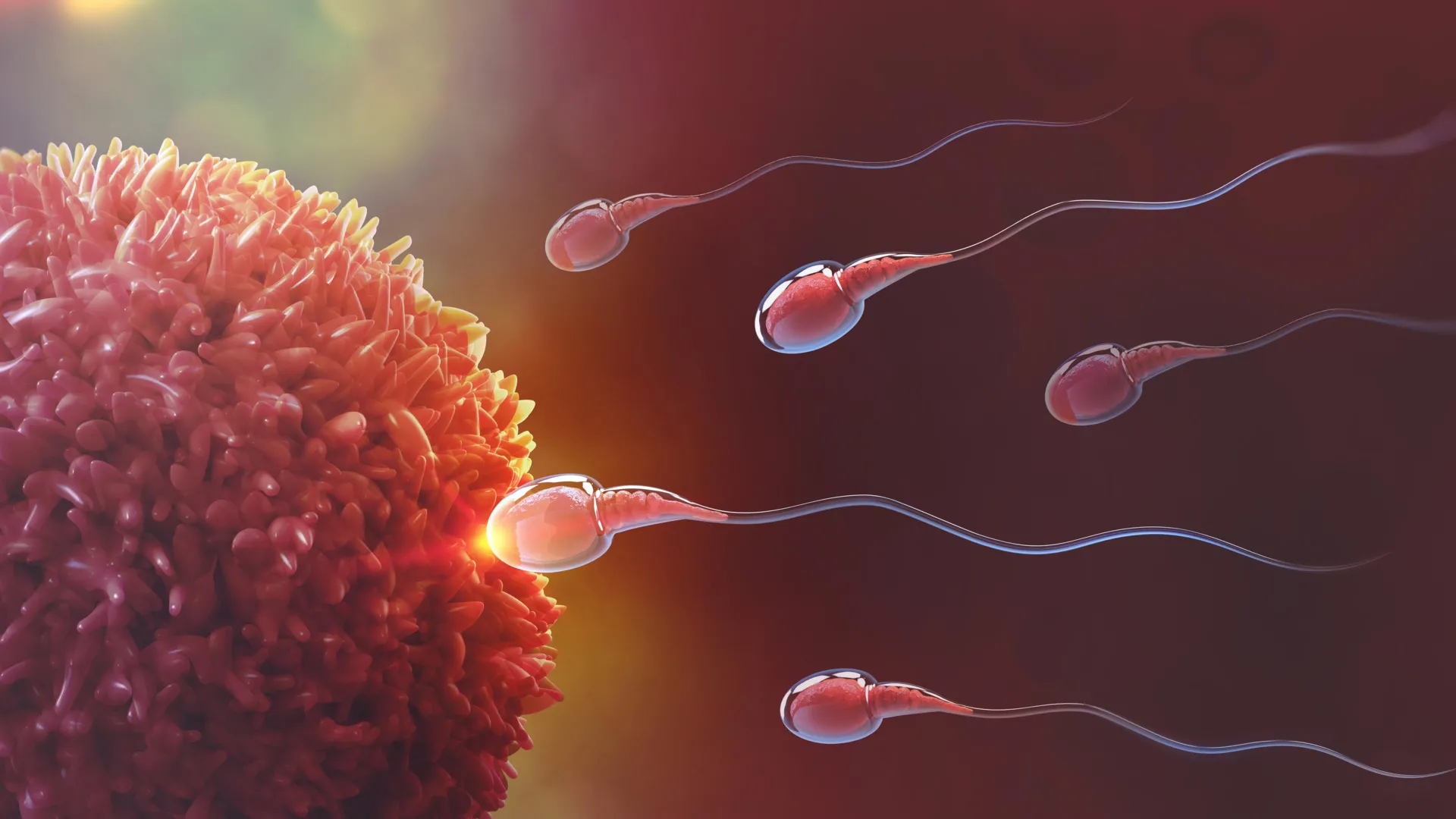
To appreciate the significance of this discovery, it is necessary to examine the natural mechanisms of the mammalian reproductive system. In humans and many livestock species, the oviduct is not merely a passive conduit for eggs and sperm. Instead, it is a dynamic biological environment that actively interacts with sperm cells. Upon entering the oviduct, sperm bind to the epithelial lining, a process that triggers a state of "quiescence" or suspended animation. This binding prevents the sperm from undergoing premature capacitation—the final stage of maturation required for fertilization—thereby preserving their energy and structural integrity until an egg is released.
In 2020, Professor Miller’s research team made a foundational discovery: they identified that glycans, which are complex carbohydrate chains found on the surface of the oviductal cells, are the primary molecules responsible for this binding. These glycans act as biological "docking stations," holding the sperm in place and providing the chemical signals necessary to keep them alive. The current study represents the transition from understanding this natural phenomenon to engineering a synthetic application for clinical and agricultural use.
The suLeX Breakthrough: Experimental Methodology and Chronology
The research team collaborated with specialized chemists to screen hundreds of different oviductal glycans to determine which specific molecules possessed the strongest affinity for sperm binding. After extensive testing using porcine (pig) sperm as a model, the team identified suLeX as the most effective candidate. The choice of porcine models was strategic; pigs share significant physiological similarities with humans, and the pork industry relies heavily on efficient IVF and artificial insemination technologies.
The experimental design was structured to test the durability of sperm viability over a 24-hour period. The researchers coated the bottom of culture dishes with suLeX droplets, creating a "sticky" surface for the sperm. Once the sperm were introduced, they were given 30 minutes to adhere to the glycan compounds. A critical step in this process involved washing away any free-swimming sperm that did not bind to the suLeX. This left only the most viable sperm—those capable of recognizing and binding to the glycan—attached to the dish.
Following the adhesion phase, the researchers introduced eggs into the dishes at four distinct intervals: immediately (0 hours), and at 6, 12, and 24 hours later. This chronological approach allowed the team to measure how effectively the suLeX could maintain the sperm’s fertilizing capacity over time compared to standard IVF controls.
Quantitative Analysis: Significant Gains in Fertilization Efficiency
The data retrieved from the study provided clear evidence of the glycan’s efficacy. At the initial 0-hour mark, the IVF efficiency—defined as the ratio of successfully fertilized zygotes to the total number of eggs—was 53% for the suLeX-treated group. In contrast, the control group, which utilized standard culture medium without any oviductal compounds, achieved a fertilization rate of only 36%. Two other alternative "control" compounds were also tested, both yielding fertilization rates of approximately 40%, further highlighting the superior performance of suLeX.
The most striking results appeared as the time delays increased. In traditional IVF settings, sperm viability drops precipitously after several hours. In the control group, the fertilization rate plummeted to a mere 1% after 24 hours. However, the sperm bound to the suLeX maintained a much higher degree of functionality, resulting in a 12% fertilization rate at the same 24-hour mark.
"By adding eggs at later time points, we could test the system to see whether suLeX increased the longevity of the sperm," stated Professor Miller. "Essentially, we found we can maintain or extend fertilization rates over time, increasing the window of successful IVF."
Addressing the Challenge of Polyspermy in Animal Agriculture
Beyond extending the lifespan of sperm, the suLeX technology addresses a specific technical hurdle in animal IVF known as polyspermy. In porcine IVF, a frequent cause of embryo failure is the penetration of a single egg by multiple sperm cells. When too many sperm are present in the culture dish, they often overwhelm the egg’s natural defenses, resulting in an inviable embryo with an abnormal number of chromosomes.
The glycan-IVF setup provides a built-in solution to this problem. Because the sperm are securely bound to the suLeX droplets on the bottom of the dish, researchers can wash away the excess, free-floating sperm before the eggs are introduced. This ensures that only a controlled number of high-quality sperm are available for fertilization.
"Because the sperm were bound securely to the glycan compound, we could reduce the overall number of sperm, which meant fewer cases where more than one sperm fertilized the eggs," Miller explained. This precision is vital for the livestock industry, where the goal is to produce healthy, viable embryos from high-genetic-merit animals.
Economic and Industrial Implications
The implications of this research extend deep into the global agricultural economy. The dairy and beef industries, in particular, utilize IVF to propagate the genetics of superior cattle that exhibit traits such as higher milk production, better disease resistance, and improved feed efficiency. The ability to produce these embryos more reliably and at a lower cost could significantly enhance food security and industrial efficiency.
"There are companies, especially related to dairy cattle, that use IVF to produce and sell high-genetic-merit embryos that, after they are delivered, will produce milk more efficiently," Miller noted. "This technology could potentially help produce meat and milk more efficiently."
By increasing the "fertile window" of sperm, the technology also offers logistical benefits. In large-scale agricultural operations, the timing of egg harvest and sperm preparation can be difficult to synchronize perfectly. A technology that keeps sperm viable for an extra 12 to 24 hours provides a crucial buffer, reducing the likelihood of wasted biological materials and failed procedures.
Path to Human Application: Solving the Timing Mismatch
While the current study focused on porcine models, the ultimate goal includes the translation of these findings to human reproductive medicine. In human IVF, one of the most common reasons for a failed cycle is a mismatch in timing. Both the egg and the sperm must undergo specific maturation phases to be ready for fertilization. However, there is significant individual variability in how long these processes take.
Currently, the specific glycans that bind human sperm have not yet been identified, but the University of Illinois team is actively working toward that goal. Once the human-specific "docking" molecules are found, the glycan-IVF method could revolutionize how clinics manage sperm samples.
"Both eggs and sperm have to undergo a maturation phase before they’re ready for fertilization, so the timing is critical," Miller said. "We think glycan-IVF could lengthen the fertile window of sperm and possibly increase IVF rates, though we need further testing to verify that."
In the context of human health, this could mean higher success rates for couples struggling with infertility, fewer repeated cycles (which are both physically and financially taxing), and a more controlled laboratory environment that better mimics the natural elegance of human biology.
Collaborative Research and Future Directions
The study, titled "Porcine sperm bind to an oviduct glycan coupled to glass surfaces as a model of sperm interaction with the oviduct," was a collaborative effort involving researchers Sandra Soto-Heras, Larissa Volz, and Nicolai Bovin. The project received significant support from the Eunice Kennedy Shriver National Institute of Child Health and Human Development, a branch of the National Institutes of Health (NIH), under award number RO1HD095841.
The next steps for the research team involve identifying the full suite of glycans involved in different species and refining the surface-attachment techniques to maximize the stability of the glycan-coated dishes. As the field of "glycobiology" grows, the intersection of carbohydrate chemistry and reproductive science is expected to yield further innovations in how we understand and assist the earliest stages of life.
By bridging the gap between the complex biology of the female reproductive tract and the controlled environment of the laboratory, the University of Illinois team has provided a blueprint for more efficient, reliable, and successful in vitro fertilization. Whether applied to the production of high-yield dairy cattle or helping humans achieve the dream of parenthood, the use of glycans represents a significant step forward in the evolution of reproductive technology.












Leave a Reply