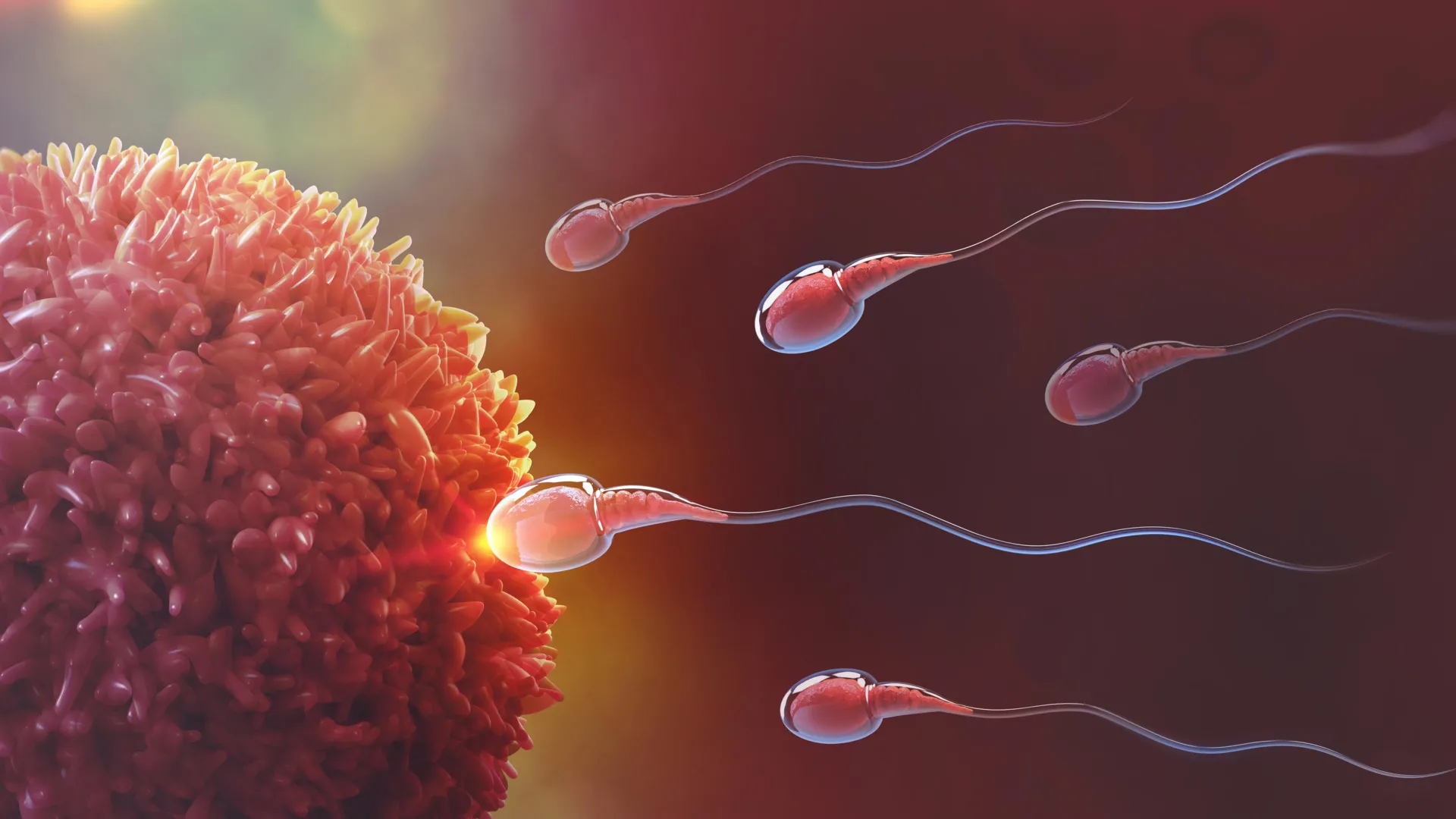
The biological mechanics of human reproduction have long remained one of the most complex frontiers of medical science, particularly regarding the specific energetic requirements of sperm as they navigate the female reproductive tract. Researchers at Michigan State University (MSU) have recently announced a breakthrough in this field, identifying a specific molecular "switch" that triggers a massive surge in sperm energy just moments before they attempt to penetrate and fertilize an egg. This discovery, published in the Proceedings of the National Academy of Sciences (PNAS), carries profound implications for two major areas of global health: the treatment of male infertility and the development of the world’s first effective, nonhormonal male birth control.
The study, led by Melanie Balbach, an assistant professor in the Department of Biochemistry and Molecular Biology at MSU, pinpoints the metabolic reprogramming that occurs within mammalian sperm. Unlike most cells in the body, which maintain a relatively steady baseline of energy production, sperm are specialized "sprint" cells. They spend much of their existence in a dormant, low-energy state, only to undergo a radical transformation upon entering the female reproductive environment. This transformation requires a sudden, massive influx of Adenosine Triphosphate (ATP), the primary energy currency of the cell, to power the forceful swimming and membrane adjustments necessary for successful fertilization.
The Biochemistry of the Sperm Energy Surge
To understand the significance of this discovery, one must look at the unique metabolic demands of the sperm cell. Before ejaculation, sperm are essentially held in "storage mode," consuming very little fuel. However, once they are introduced into the female reproductive tract, they must undergo a process known as hyperactivation. During hyperactivation, the sperm’s tail (flagellum) switches from a rhythmic, wave-like motion to a high-intensity, whip-like thrashing. Simultaneously, the sperm’s outer membrane undergoes biochemical changes to prepare for the acrosome reaction—the process by which the sperm releases enzymes to digest the egg’s outer coating.
Balbach’s team focused on how these cells manage such a rapid transition. By collaborating with experts at the Memorial Sloan Kettering Cancer Center and the Van Andel Institute, the researchers developed a sophisticated method to track the metabolism of glucose, the primary sugar sperm absorb from their environment. Using advanced mass spectrometry and metabolomics at MSU, the team was able to map the exact chemical pathways glucose takes once it enters the sperm cell.
The researchers identified a key enzyme known as aldolase as the central regulator of this energy surge. Aldolase acts as a gateway in the process of glycolysis, the metabolic pathway that breaks down glucose to release energy. In activated sperm, this enzyme functions like a high-speed traffic controller, directing glucose through specific pathways to maximize ATP production. The study also revealed that sperm do not rely solely on external glucose; they also draw upon internal energy reserves they carry from the moment they are produced, ensuring they have a "reserve tank" for the final stages of their journey.
Mapping the Metabolic Highway: The "Pink Car" Analogy
To explain the complexity of tracking these microscopic chemical reactions, Dr. Balbach utilized a vivid analogy involving urban traffic management. She compared the tracking of glucose molecules to painting the roof of a single car bright pink and then using a drone to follow that car through a congested city.
In this metaphor, the "pink car" (the glucose molecule) moves slowly through the streets when the sperm is in its inactive state. However, once the sperm is activated, the drone observes the pink car moving at significantly higher speeds and choosing specific, optimized routes through intersections. By identifying which "intersections" (enzymes like aldolase) the car passes through or gets stuck at, the researchers were able to determine exactly which proteins were responsible for the acceleration of energy production.
This mapping revealed that the metabolic state of activated sperm is fundamentally different from that of inactive sperm. The "traffic-control" enzymes not only speed up the process but actually redirect the flow of nutrients to ensure that every possible unit of energy is dedicated to the singular goal of reaching the egg.
Chronology of Discovery and Research Evolution
The path to this discovery began earlier in Dr. Balbach’s career during her tenure at Weill Cornell Medicine. At that time, her research was focused on identifying the specific enzymes that, when blocked, could render sperm temporarily immobile. Her early work successfully demonstrated that inhibiting a specific sperm enzyme could cause temporary, reversible infertility in mice. This established the proof-of-concept for a nonhormonal male contraceptive: if you can turn off the "engine" of the sperm, you can prevent pregnancy without interfering with the body’s overall hormonal balance.
Upon joining Michigan State University in 2023, Balbach expanded this research to look beyond just "turning off" the engine. She sought to understand the entire "fuel system" of the sperm. By moving from a focus on single-enzyme inhibition to a comprehensive view of metabolic reprogramming, her team was able to identify aldolase and the broader regulatory network that governs sperm activation.
This chronological progression from identifying a target to mapping the entire system has moved the science closer to clinical application. The current study at MSU represents the most detailed picture to date of how sperm manage their energy budget, providing multiple new targets for drug development.
Implications for Global Infertility Treatments
The findings have immediate relevance for the field of reproductive medicine. According to the World Health Organization (WHO), approximately one in six people globally experience infertility in their lifetime. Male factor infertility contributes to nearly half of these cases, yet diagnostic tools for male fertility remain relatively rudimentary, often focusing simply on sperm count and basic motility (movement).
By understanding the metabolic "switch" required for fertilization, clinicians may eventually be able to develop new diagnostic tests that assess the metabolic health of sperm. If a patient’s sperm are numerous and move well but lack the ability to "switch on" their high-energy state, traditional tests might label them as healthy while they are, in fact, incapable of fertilizing an egg.
Furthermore, this research could improve the success rates of assisted reproductive technologies (ART), such as In Vitro Fertilization (IVF) and Intrauterine Insemination (IUI). By optimizing the metabolic environment of sperm in the lab or developing media that better supports the aldolase-driven energy surge, embryologists could potentially increase the likelihood of successful fertilization.
A Paradigm Shift in Male Contraception
Perhaps the most socially significant application of this research is the development of a nonhormonal male contraceptive. For decades, the burden of pregnancy prevention has fallen disproportionately on women. Existing female contraceptives, while effective, are largely hormone-based and are associated with a wide array of side effects, including mood changes, weight gain, increased risk of blood clots, and cardiovascular issues.
Previous attempts to create a "male pill" have largely mirrored female methods by attempting to suppress sperm production through hormonal manipulation (testosterone and progestins). However, these efforts have faced significant hurdles, including slow onset of action (it takes months to stop sperm production) and side effects like acne and libido changes that many men found unacceptable.
The MSU research suggests a different approach: targeting sperm function rather than production. Because the "metabolic switch" identified by Balbach’s team only occurs after the sperm have been produced and are preparing for fertilization, a drug targeting this process could offer several advantages:
- On-Demand Protection: A metabolic inhibitor could potentially be taken shortly before intercourse, providing rapid-onset infertility.
- Reversibility: Once the drug clears the system, the next "batch" of sperm would be unaffected, allowing for a quick return to fertility.
- Nonhormonal: By targeting an enzyme specific to sperm metabolism, the drug would not interfere with testosterone levels or other systemic hormones, minimizing side effects.
Dr. Balbach noted that about 50% of all pregnancies worldwide are unplanned. Providing men with a reliable, side-effect-free option for contraception could significantly reduce this number while granting both partners greater agency in reproductive planning.
Future Directions and Scientific Collaboration
The research was a multi-institutional effort, utilizing the Mass Spectrometry and Metabolomics Core at Michigan State University, which provided the high-resolution data necessary to track minute chemical changes. Support for the study was provided by the National Institute of Child Health and Human Development, reflecting the high priority the federal government places on expanding reproductive health options.
Moving forward, Balbach and her team plan to investigate how sperm utilize different fuel sources, such as fructose, which is found in high concentrations in the seminal vesicles. They also aim to translate these findings from mouse models to human sperm. While mammalian sperm share many metabolic similarities, human sperm have unique characteristics that must be fully understood before clinical trials for a contraceptive or infertility treatment can begin.
"Better understanding the metabolism of glucose during sperm activation was an important first step," Balbach stated. "One option is to explore if one of our ‘traffic-control’ enzymes could be safely targeted as a nonhormonal male or female contraceptive."
As the scientific community continues to digest these findings, the focus remains on the potential for a new class of "metabolic medicine" in the realm of reproduction. By mastering the molecular switches that power life’s most fundamental journey, researchers are opening the door to a future where reproductive health is more precise, more equitable, and more effective.