

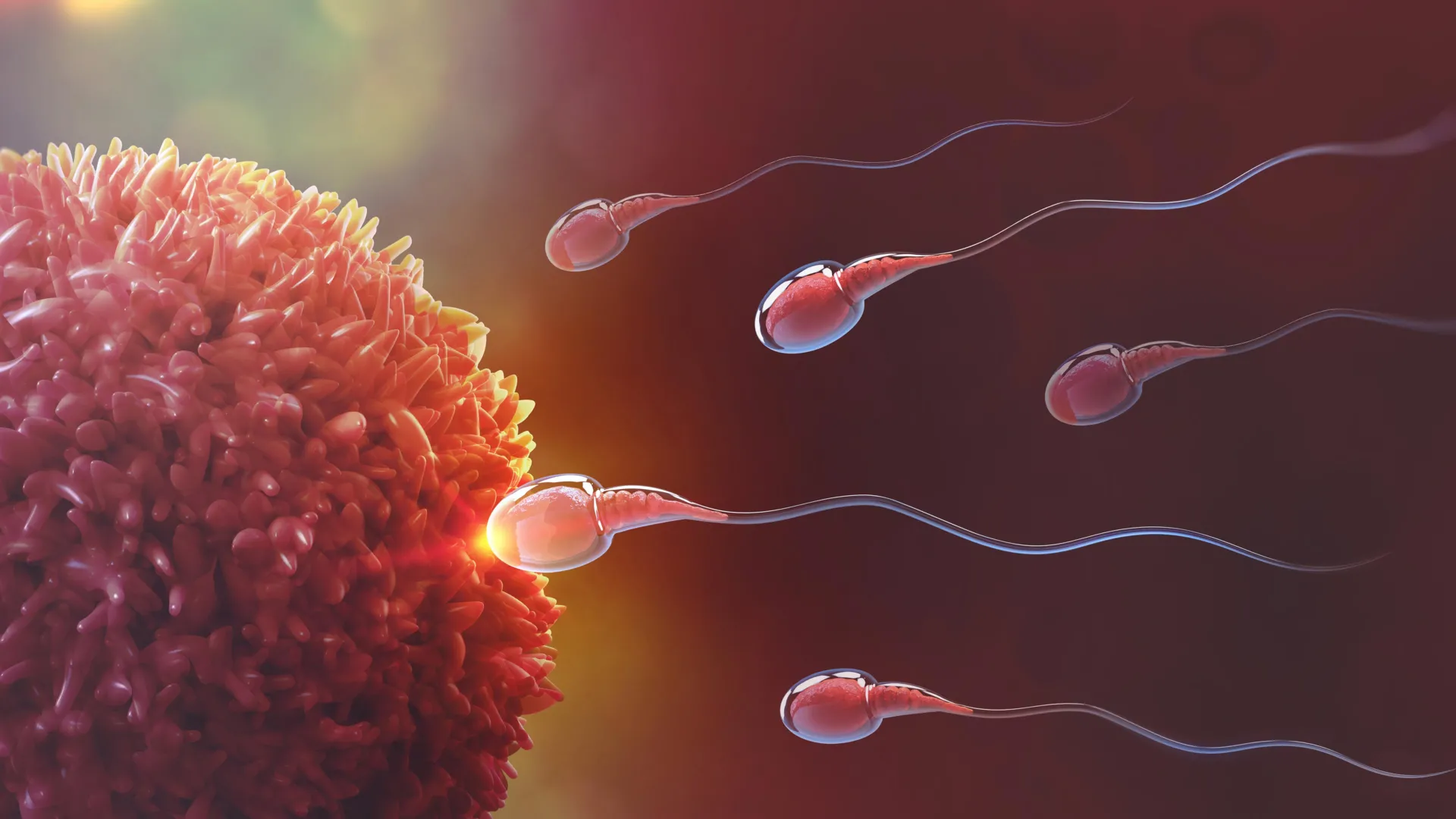
A breakthrough study led by researchers at Michigan State University has successfully identified a critical molecular "switch" that governs the energy surge required for sperm to fertilize an egg. This discovery, published in the Proceedings of the National Academy of Sciences (PNAS), provides a detailed map of sperm metabolism and opens new doors for the development of high-precision infertility treatments and safe, nonhormonal male contraceptives. By understanding the specific metabolic reprogramming that occurs as sperm transition from a dormant state to an active state, scientists can now target the internal machinery of the cell without interfering with broader hormonal systems.
The research was spearheaded by Melanie Balbach, an assistant professor in the Department of Biochemistry and Molecular Biology at Michigan State University (MSU). Balbach, who joined the university in 2023, has spent years investigating the unique physiological requirements of mammalian sperm. Unlike most cells in the body, which maintain a steady baseline of energy for survival and specialized functions, sperm cells are highly specialized biological units designed for a single, high-stakes mission. To succeed, they must undergo a radical transformation within the female reproductive tract, a process that requires a sudden and massive influx of energy.
The Mechanics of Sperm Activation and Capacitation
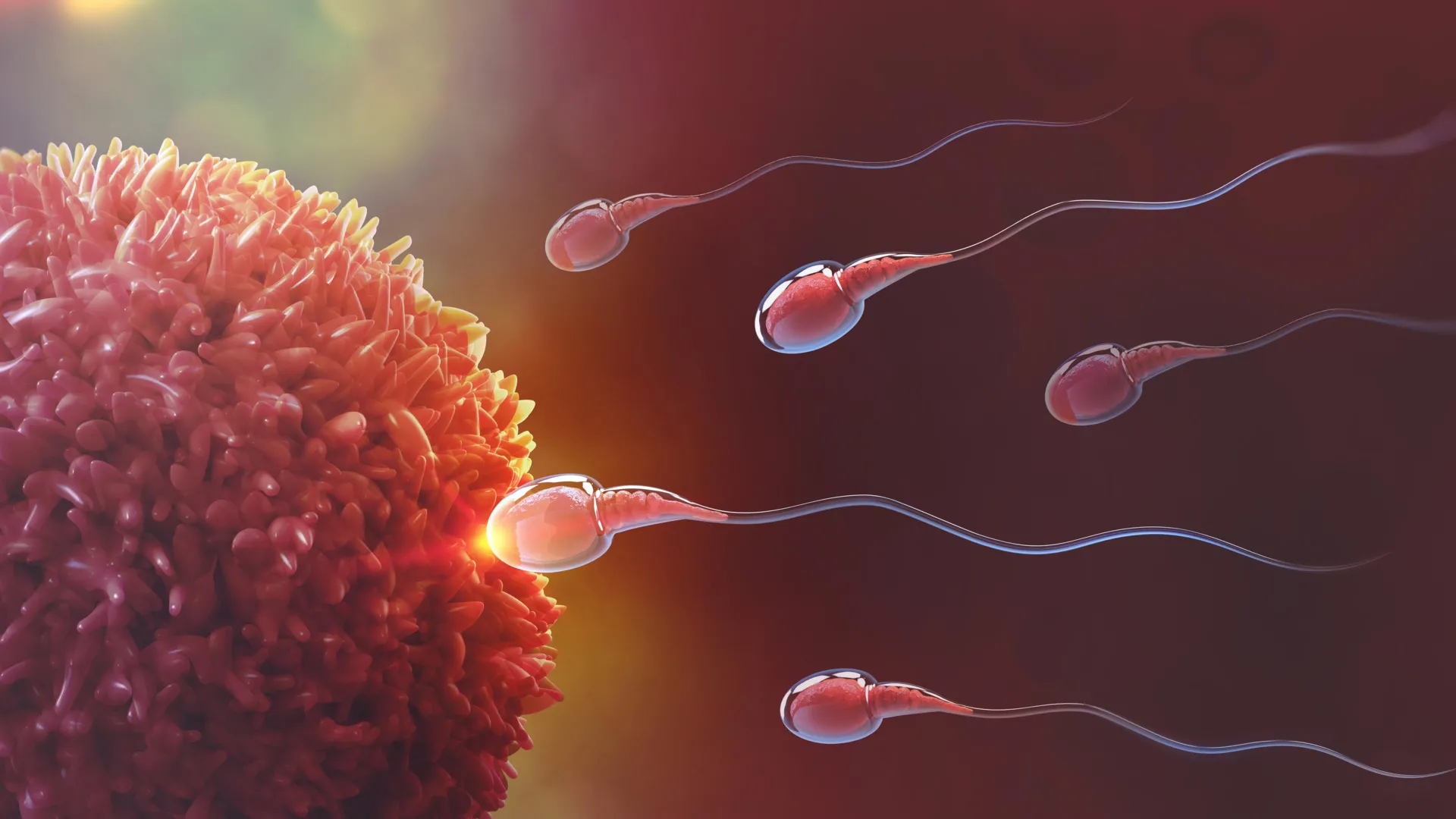
Mammalian sperm are unique in their metabolic lifecycle. Before ejaculation, they remain in a relatively low-energy, quiescent state within the male reproductive system. This dormancy is a survival mechanism, ensuring that the sperm do not exhaust their limited resources before reaching their destination. However, once introduced into the female reproductive tract, the environment triggers a series of physiological changes known as capacitation.
During capacitation, sperm must begin swimming with significantly more force—a behavior known as hyperactivation—to navigate the complex environment of the fallopian tubes and penetrate the protective layers of the egg. Simultaneously, the outer membranes of the sperm undergo structural adjustments to facilitate the fusion with the egg. These energy-intensive processes require a rapid shift in how the cell processes fuel.
"Sperm metabolism is special since it’s only focused on generating more energy to achieve a single goal: fertilization," Balbach explained. Her research indicates that sperm are an ideal model for studying metabolic reprogramming because they undergo this transition so rapidly and distinctly. The study sought to answer a fundamental question that has long eluded reproductive biologists: how exactly do sperm flip the switch from a low-power "battery saver" mode to a high-performance "turbo" mode?
Tracking Glucose: The Drone and the Pink Car Analogy
To solve this mystery, Balbach and her team—which included collaborators from the Memorial Sloan Kettering Cancer Center and the Van Andel Institute—developed a sophisticated methodology to track the movement of glucose within the sperm cell. Glucose, a simple sugar, serves as the primary fuel source that sperm absorb from their environment.
The researchers used advanced mass spectrometry and metabolomics tools, including those available at MSU’s Mass Spectrometry and Metabolomics Core, to map the chemical trajectory of glucose molecules. By labeling the molecules, they could observe the differences in how inactive sperm and activated sperm processed the sugar.
Balbach utilized a vivid analogy to describe the complexity of this tracking: "You can think of this approach like painting the roof of a car bright pink and then following that car through traffic using a drone." In this scenario, the "pink car" is the glucose molecule. In inactive sperm, the car moved slowly through a standard route. However, in activated sperm, the "drone" observed the car moving significantly faster and opting for specific "intersections" or metabolic pathways that maximized energy output.
This mapping revealed that an enzyme called aldolase serves as a primary regulator in this process. Aldolase is responsible for breaking down glucose into the precursors needed to create adenosine triphosphate (ATP), the universal energy currency of cells. The study found that certain enzymes act as "traffic controllers," directing the flow of glucose and determining the efficiency of energy production. Furthermore, the research highlighted that sperm do not just rely on environmental sugar; they also tap into internal energy reserves they carry from the start of their journey.
A History of Innovation: From Weill Cornell to Michigan State
The recent discovery at MSU builds upon Balbach’s previous pioneering work. While a researcher at Weill Cornell Medicine, Balbach was part of a team that demonstrated how blocking a specific sperm enzyme, soluble adenylyl cyclase (sAC), could lead to temporary infertility in mice. That earlier study was a landmark in the field of male contraception because it proved that sperm function could be "turned off" at the cellular level without the need for systemic hormone manipulation.
Upon moving to Michigan State University in 2023, Balbach expanded her focus to the broader metabolic landscape of the cell. Her transition to MSU allowed her to leverage the university’s specialized core facilities to conduct high-resolution metabolic mapping. The latest findings regarding aldolase and glucose pathways represent the next step in this evolution, moving from identifying the "on/off" switch to understanding the entire "engine" that powers the cell.
Implications for Global Infertility and Reproductive Health
The implications of this research are twofold, addressing both the difficulty of conceiving and the need for better pregnancy prevention. According to data from the World Health Organization (WHO), infertility affects approximately one in six people globally, making it a major public health concern.
In many cases of male factor infertility, sperm may appear healthy under a microscope but fail to achieve fertilization because they lack the "stamina" or energy surge required for capacitation. By identifying the specific enzymes and metabolic pathways that drive this surge, Balbach’s research could lead to the development of new diagnostic tools. These tools would allow clinicians to assess the metabolic health of sperm more accurately. Additionally, this knowledge could improve assisted reproductive technologies (ART), such as in vitro fertilization (IVF), by allowing scientists to optimize the media in which sperm are prepared, ensuring they have the metabolic support needed to succeed.
"Better understanding the metabolism of glucose during sperm activation was an important first step, and now we’re aiming to understand how our findings translate to other species, like human sperm," Balbach noted.
The Search for a Nonhormonal Male Contraceptive
Perhaps the most culturally significant application of this research lies in the development of male birth control. For decades, the burden of contraception has fallen disproportionately on women. Current male options are largely limited to condoms, which have a notable failure rate in real-world use, and vasectomies, which are intended to be permanent.
Previous attempts to create a "male pill" have largely focused on suppressing sperm production (spermatogenesis). However, these hormonal approaches often come with significant side effects, including mood swings, weight gain, and changes in libido. Furthermore, because it takes several months for the body to stop producing sperm and several months to resume, these methods do not offer the "on-demand" flexibility many couples desire.
Balbach’s metabolic approach offers a radical alternative. By targeting enzymes like aldolase or other "traffic-control" enzymes identified in the study, researchers could develop a nonhormonal inhibitor. Such a drug would not stop sperm production but would instead prevent the sperm from "flipping the switch" to high-energy mode. Effectively, the sperm would remain in their dormant state, unable to swim forcefully enough to reach or penetrate an egg.
"One option is to explore if one of our ‘traffic-control’ enzymes could be safely targeted as a nonhormonal male or female contraceptive," Balbach said. This "functional inhibition" would likely be fast-acting and reversible, providing men with a level of agency in reproductive health that has been missing for over half a century.
Analysis of Societal and Scientific Impact
The scientific community has reacted with optimism to the PNAS publication. Independent experts in reproductive biology note that targeting metabolism is inherently safer than targeting hormones, as metabolic enzymes often have highly specialized isoforms (variants) that exist only in sperm. This specificity reduces the risk of "off-target" effects in other organs like the heart or brain.
From a societal perspective, the development of a nonhormonal male contraceptive could address the staggering statistic that nearly 50% of all pregnancies worldwide are unplanned. Providing a reliable, side-effect-free option for men would not only reduce this rate but also provide relief for women who cannot use hormonal birth control due to medical contraindications or severe side effects.
"Right now, about 50% of all pregnancies are unplanned, and this would give men additional options and agency in their fertility," Balbach said. "Likewise, it creates freedom for those using female birth control, which is hormone-based and highly prone to side effects."
Future Research and Funding
The research was supported by the National Institute of Child Health and Human Development (NICHD), a branch of the National Institutes of Health (NIH). This federal backing underscores the importance of finding new solutions for reproductive health and contraceptive equity.
Moving forward, Balbach and her team plan to investigate how sperm utilize other fuel sources, such as fructose, which is abundant in the female reproductive tract. They also aim to conduct comparative studies to ensure that the metabolic switch identified in mice functions identically in human sperm. If these findings hold true in human models, the path to clinical trials for a new class of metabolic-based drugs could begin within the next decade.
The discovery of the aldolase switch represents a significant milestone in cell biology. By illuminating the dark corners of sperm metabolism, the Michigan State University team has not only advanced our fundamental understanding of life’s beginning but also paved the way for a more equitable and healthy future in reproductive medicine.











Leave a Reply