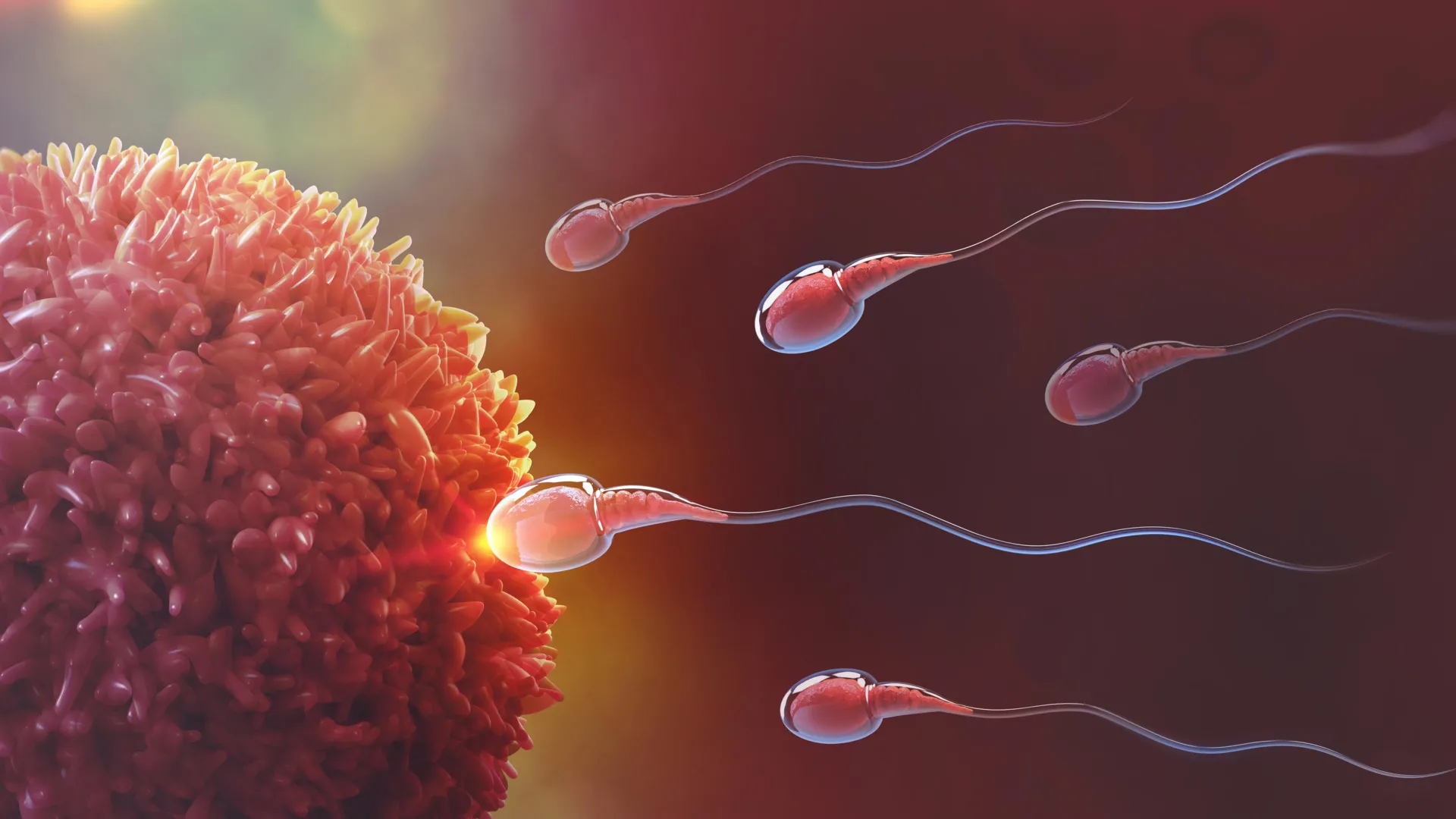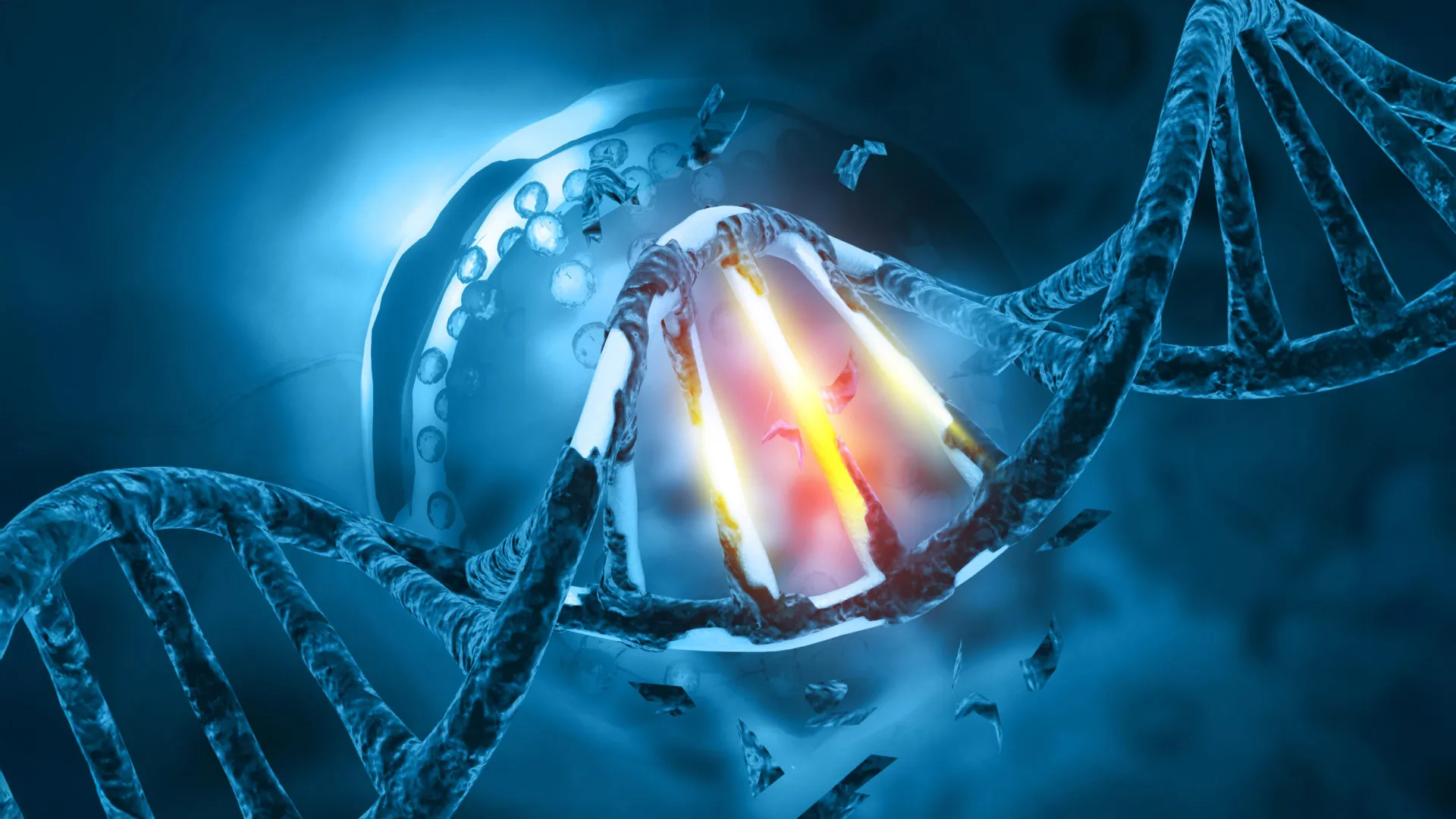
New research has unveiled a sophisticated biological mechanism that explains why the risk of passing on genetic disorders increases as men age, revealing that certain harmful DNA mutations are not merely random errors but are actively favored during the process of sperm production. In a landmark study published in the journal Nature, scientists from the Wellcome Sanger Institute, the TwinsUK study at King’s College London, and Harvard Medical School have mapped the landscape of the sperm genome, finding that the male germline—the lineage of cells that produce sperm—acts as a competitive environment where "selfish" mutations can thrive. This phenomenon, known as clonal expansion, allows cells carrying specific genetic changes to outcompete their healthy neighbors, resulting in a higher proportion of mutation-carrying sperm as a man grows older.
The findings challenge the long-held assumption that the germline is a static or highly protected environment. Instead, the research suggests that the testes are a dynamic site of natural selection, where mutations that provide a growth advantage to individual sperm-producing cells can inadvertently increase the risk of neurodevelopmental disorders and inherited cancers in the next generation. As paternal age continues to rise globally, understanding these internal selective pressures becomes critical for reproductive medicine and genetic counseling.
The Biological Mechanism of Intratesticular Selection
To understand why paternal age impacts genetic health, it is necessary to examine how tissues renew themselves. In most parts of the human body, such as the skin, the lining of the gut, or the blood, stem cells constantly divide to replace old or damaged cells. During this process, mutations naturally occur. In some cases, a mutation might give a cell a competitive edge, allowing it to multiply faster or survive longer than surrounding cells. These "clonal" populations can eventually dominate a local tissue area.
While mutations in somatic cells (ordinary body cells) may lead to localized issues like skin growths or, in some cases, cancer, they are not passed on to offspring. However, the male germline is also a renewing tissue. The spermatogonial stem cells in the testes undergo continuous division throughout a man’s life to produce a steady supply of sperm. The new research demonstrates that the same rules of competition apply here: certain mutations in genes related to cell growth and signaling pathways can give a spermatogonial stem cell a "fitness advantage" within the testis.
These mutated cells divide more frequently, creating a larger pool of progenitor cells that carry the mutation. Consequently, the percentage of sperm carrying these specific genetic errors increases over time. While the mutation is "beneficial" for the cell’s survival and replication within the male reproductive system, it is often detrimental to the resulting embryo, potentially leading to serious health conditions in the child.
Mapping the Sperm Genome: Methodology and Data
To quantify this phenomenon, researchers utilized NanoSeq, a cutting-edge, ultra-accurate DNA sequencing technology. NanoSeq allows scientists to detect rare mutations that occur in only a tiny fraction of cells, a feat that was previously difficult due to the inherent error rates of standard sequencing methods. The team analyzed sperm samples from 81 healthy participants aged 24 to 75, drawn from the TwinsUK cohort—the United Kingdom’s largest adult twin registry.
The data provided a clear correlation between age and the prevalence of harmful mutations. In men in their early 30s, approximately 2 percent of sperm carried mutations associated with disease. By the time men reached their 40s and through their 70s, this figure climbed to between 3 and 5 percent. Specifically, among 70-year-old participants, an average of 4.5 percent of sperm contained harmful mutations.
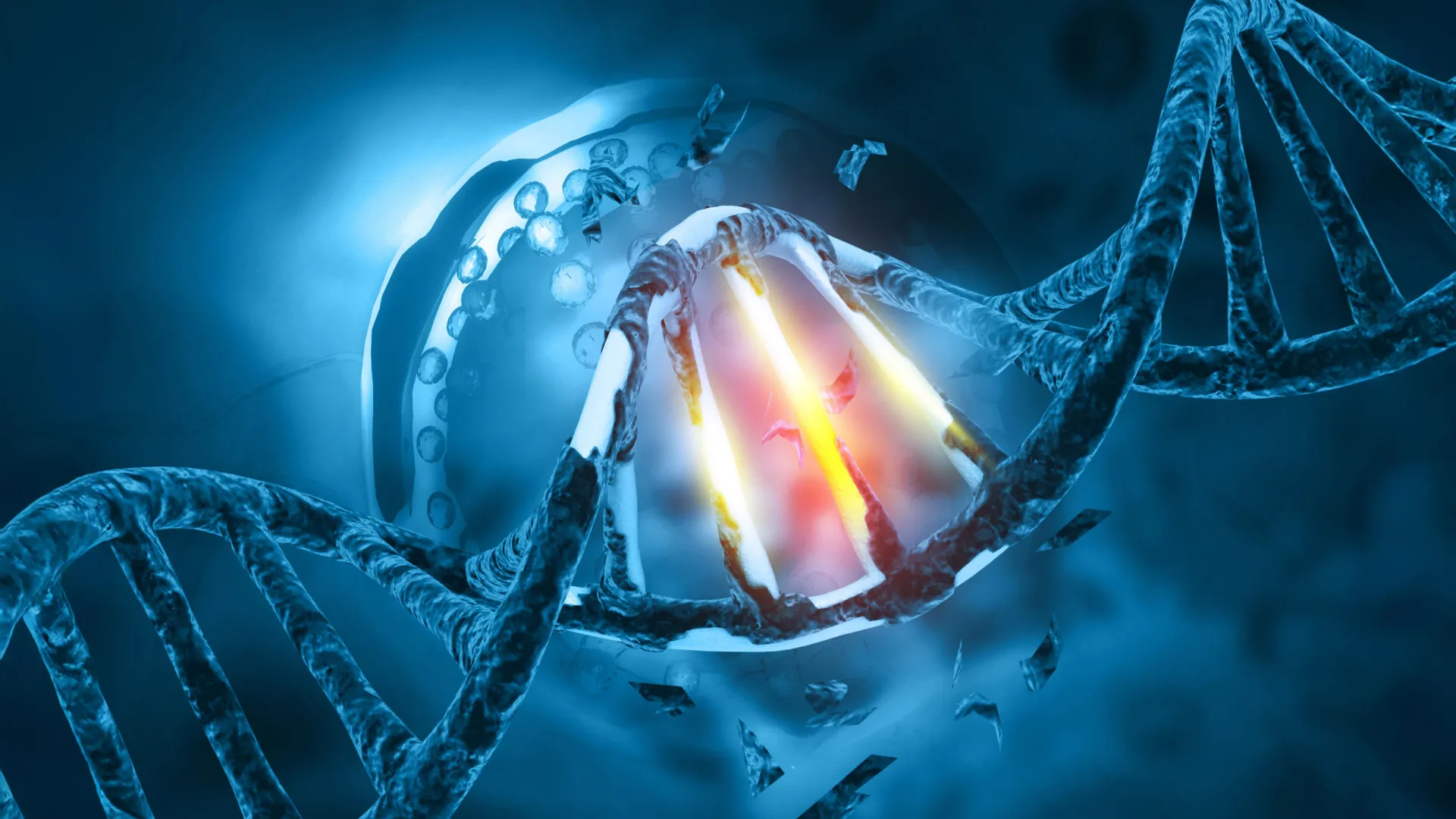
The study identified 40 specific genes that appear to benefit from this selective process. While 13 of these genes had been previously linked to paternal age effects—such as those associated with Achondroplasia (a common form of dwarfism) and Apert syndrome—the study identified 27 additional genes. Many of these genes are critical regulators of cell growth and are frequently implicated in neurodevelopmental disorders, such as autism and schizophrenia, as well as various pediatric cancers.
The Offspring Perspective: Validating Selection through Trio Analysis
Complementing the direct analysis of sperm, a secondary study led by Harvard Medical School and the Sanger Institute investigated how these mutations manifest in children. By analyzing the DNA of over 54,000 parent-child "trios" (the child and both biological parents) and an additional 800,000 healthy individuals, the researchers were able to track "de novo" mutations—genetic changes present in the child but not in the parents’ somatic DNA.
The findings from this large-scale genomic analysis mirrored the results of the sperm study. The team identified more than 30 genes where mutations provided sperm cells with a significant competitive edge. Most notably, the researchers found that these "selfish" mutations could increase the local mutation rate by as much as 500-fold. This staggering increase explains why certain rare genetic disorders appear in children even when there is no family history of the condition.
The study also raised an important diagnostic caution: because these mutations are so prevalent in the sperm of older men, some genes may appear to have a false-positive association with specific diseases in large-scale population studies. The elevated mutation rate can make it seem as though a gene is a "hotspot" for disease, when in reality, it is simply a hotspot for internal selection within the testes.
A Chronology of Paternal Age Research
The link between paternal age and genetic risk is not a new concept, but our understanding of it has evolved significantly over the last century.
- Early 20th Century: Early observations noted that certain conditions, such as Achondroplasia, were more likely to occur in children of older fathers.
- 1950s-1980s: Scientists hypothesized that the "copy error" model was responsible. The logic was simple: because male germ cells divide continuously, more divisions lead to more opportunities for random DNA replication errors.
- 1990s-2000s: The "Selfish Spermatogonial Selection" hypothesis was proposed. Researchers began to suspect that random error alone couldn’t explain the high frequency of certain mutations. Studies on the FGFR2 and FGFR3 genes provided the first evidence that some mutations actually help stem cells in the testes grow.
- 2024: The current Nature studies represent the most comprehensive mapping to date, utilizing NanoSeq and massive population datasets to prove that this selection is widespread across the genome, affecting dozens of genes rather than just a few.
Perspectives from the Research Community
The implications of the study have prompted significant reactions from the lead investigators, who emphasize the need to rethink paternal reproductive health.
Dr. Matthew Neville, the first author from the Wellcome Sanger Institute, expressed surprise at the scale of the findings. "We expected to find some evidence of selection shaping mutations in sperm. What surprised us was just how much it drives up the number of sperm carrying mutations linked to serious diseases," Neville noted.
Professor Matt Hurles, Director of the Wellcome Sanger Institute, highlighted the "hidden" nature of this risk. "Our findings reveal a hidden genetic risk that increases with paternal age. Some changes in DNA not only survive but thrive within the testes, meaning that fathers who conceive later in life may unknowingly have a higher risk of passing on a harmful mutation to their children."
From a public health and longitudinal study perspective, Professor Kerrin Small of King’s College London emphasized the value of participant cohorts. "By working with the TwinsUK cohort, we could include valuable longitudinal samples linked to rich health and genetic information, allowing us to explore how mutations accumulate and evolve with age in healthy individuals."
Dr. Raheleh Rahbari, the senior author of the study, challenged the traditional view of the germline as a "protected" sanctuary. "There’s a common assumption that because the germline has a low mutation rate, it is well protected. But in reality, the male germline is a dynamic environment where natural selection can favor harmful mutations, sometimes with consequences for the next generation."
Broader Impact and Future Implications
The revelation that the testes act as a filter that sometimes favors the "wrong" cells has profound implications for the future of reproductive medicine. As the average age of fatherhood continues to rise in many developed nations due to socioeconomic factors, the prevalence of these de novo mutations is likely to increase.
1. Refining Risk Assessment
Current prenatal screening often focuses heavily on maternal age and the risk of chromosomal abnormalities like Down syndrome. These new findings suggest that paternal age also warrants a more nuanced risk assessment. Genetic counselors may eventually use data from these studies to better inform older fathers about the specific types of risks—such as neurodevelopmental disorders—that are more closely tied to paternal age.
2. Environmental and Lifestyle Factors
The study opens the door to investigating how external factors might influence the speed of clonal expansion in the testes. Does smoking, diet, or exposure to environmental toxins accelerate the rate at which mutated cells outcompete healthy ones? By understanding the baseline of selection, researchers can now begin to test how lifestyle choices might exacerbate or mitigate these genetic risks.
3. Improving IVF and Reproductive Technologies
In the context of In-Vitro Fertilization (IVF), understanding the landscape of sperm mutations could lead to better selection techniques. While current methods often select sperm based on motility and morphology, future technologies might allow for the screening of "selfish" mutations, ensuring that the healthiest genetic material is used for conception.
4. Diagnostic Accuracy
The Harvard study’s finding regarding "false-positive" disease associations is a crucial takeaway for the scientific community. It warns geneticists that a high frequency of a mutation in a population might not always indicate a strong disease link; it might simply reflect the mutation’s success in the competitive environment of the testes. This distinction is vital for the accuracy of genomic medicine and the development of targeted therapies.
Conclusion
The research conducted by the Wellcome Sanger Institute and its partners marks a shift in our understanding of human evolution and inheritance. It demonstrates that the process of natural selection does not just happen at the level of the individual or the species, but at the level of the single cell within our own bodies. While the male germline is remarkably efficient at producing billions of sperm, the internal "survival of the fittest" among stem cells can lead to a biological paradox: the very traits that help a cell thrive in the father can lead to disease in the child. As science continues to peel back the layers of the sperm genome, the focus must now turn to how society manages this newfound understanding of paternal age and genetic legacy.