In a landmark study that could redefine the treatment of degenerative joint diseases, researchers at Stanford Medicine have demonstrated that targeting a specific protein associated with aging can restore lost knee cartilage in older mice and prevent the onset of osteoarthritis following traumatic joint injuries. The research, published in the journal Science, highlights a novel therapeutic pathway that focuses on a "gerozyme" known as 15-PGDH. By inhibiting this protein, scientists were able to trigger a regenerative response in cartilage-producing cells, effectively reversing the cellular clock and promoting the growth of functional, healthy tissue.
The implications of this discovery extend far beyond the laboratory. Osteoarthritis, the most prevalent form of arthritis, currently lacks any FDA-approved medication capable of slowing or reversing its progression. Most contemporary treatments are limited to pain management through anti-inflammatories or, in advanced stages, total joint replacement. The Stanford study suggests that a local injection or even an oral medication could eventually replace these invasive procedures, offering a regenerative alternative for the millions of individuals suffering from chronic joint pain and mobility issues.
The Global Burden of Osteoarthritis and the Limits of Modern Medicine
Osteoarthritis (OA) is a leading cause of disability worldwide, characterized by the progressive breakdown of articular cartilage—the smooth, slippery tissue that cushions the ends of bones in a joint. According to the Centers for Disease Control and Prevention (CDC), the condition affects approximately 32.5 million adults in the United States alone, or about one in five adults. As the global population ages and obesity rates rise, the prevalence of OA is expected to surge, placing an immense strain on healthcare systems.
The economic impact is equally staggering. In the United States, osteoarthritis-related healthcare costs are estimated to exceed $65 billion annually. These costs include physician visits, medications, and the hundreds of thousands of knee and hip replacement surgeries performed each year. Despite the high cost, surgery is not a perfect solution; prosthetic joints have a limited lifespan, often requiring revision surgeries, and the recovery process can be arduous for elderly patients.
The fundamental challenge in treating OA has always been the biological nature of cartilage. Unlike skin or bone, hyaline (articular) cartilage has a very limited capacity for self-repair. It lacks a direct blood supply and a robust population of stem cells, meaning that once it is damaged by age or injury, the degradation is usually permanent and progressive. The Stanford study introduces a paradigm shift by demonstrating that existing cartilage cells can be "reprogrammed" to behave like younger cells, bypassing the need for traditional stem cell-based therapies.
The Discovery of Gerozymes and the Role of 15-PGDH
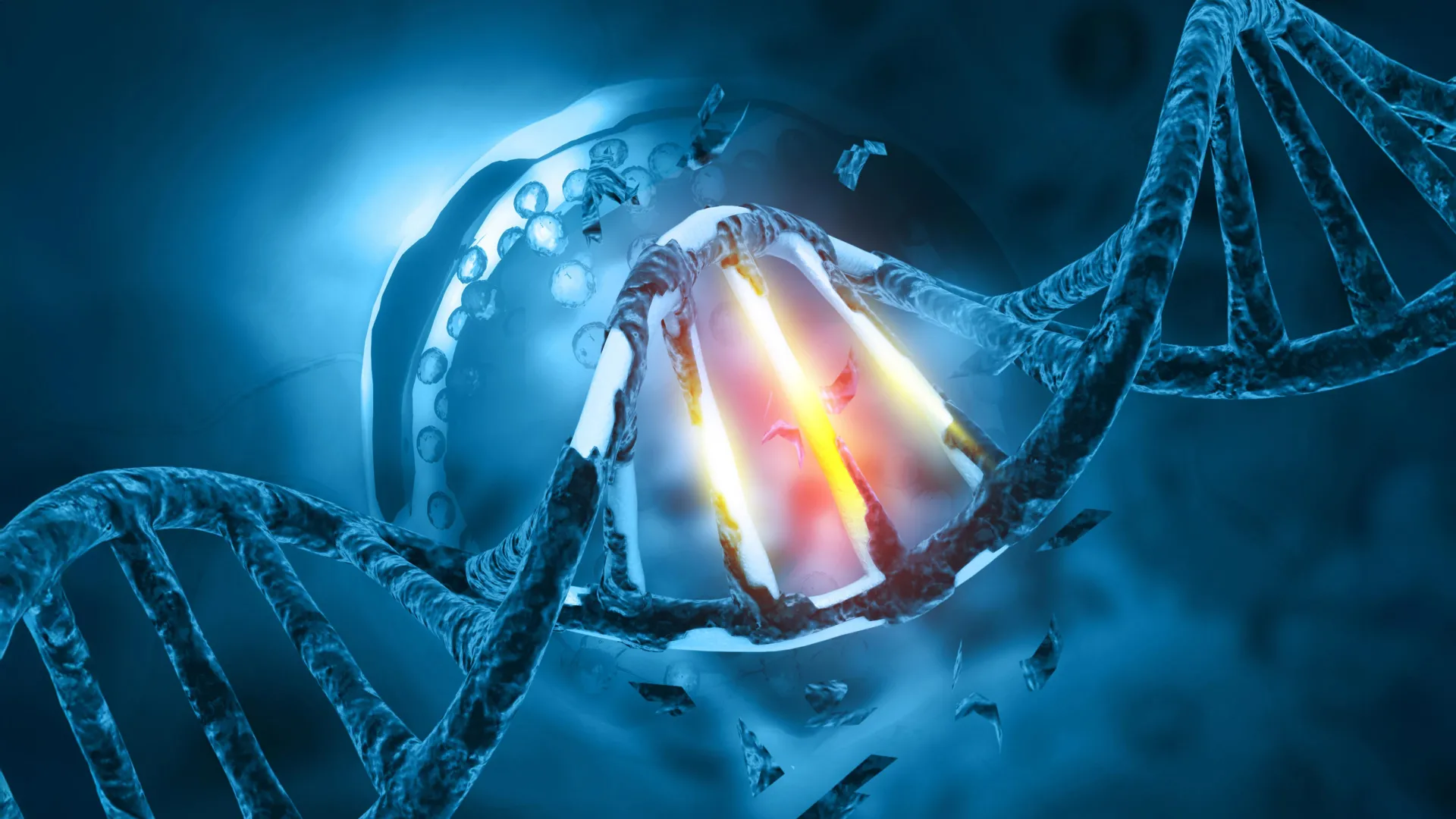
The breakthrough centers on a class of proteins called "gerozymes," a term coined by the Stanford research team led by Helen Blau, PhD. Gerozymes are enzymes that become more prevalent in the body as an organism ages, contributing to the functional decline of various tissues. In 2023, Blau’s team identified 15-PGDH (15-hydroxyprostaglandin dehydrogenase) as a primary gerozyme responsible for muscle atrophy.
The biological mechanism involves Prostaglandin E2 (PGE2), a signaling molecule that plays a crucial role in tissue regeneration and the function of muscle stem cells. The enzyme 15-PGDH acts as a metabolic "sink," breaking down PGE2 and preventing it from facilitating repair. In their previous work, the researchers found that blocking 15-PGDH in older mice led to a significant increase in muscle mass and physical endurance. Conversely, increasing levels of the protein in young mice caused their muscles to wither, mimicking the effects of advanced age.
Given the success in muscle tissue, the team—including senior authors Blau and Nidhi Bhutani, PhD—turned their attention to the skeletal system. They discovered that 15-PGDH levels in the cartilage of older mice were approximately double those found in younger mice. This correlation suggested that the enzyme might be a central driver of cartilage degradation, acting as a molecular brake on the body’s natural regenerative abilities.
Remarkable Results in Animal Models and Human Tissue
The researchers conducted a series of experiments to test the efficacy of a small-molecule inhibitor designed to block 15-PGDH. In the first phase, older mice with naturally thinned cartilage were treated with the inhibitor. The results were described by the researchers as "remarkable." The cartilage across the joint surfaces grew significantly thicker, and critically, the new tissue was identified as hyaline cartilage. This is a vital distinction, as the body sometimes responds to injury by producing fibrocartilage—a tougher, less flexible tissue that does not provide the same smooth gliding surface required for healthy joint function.
In the second phase, the team looked at post-traumatic osteoarthritis. They used a mouse model to simulate an Anterior Cruciate Ligament (ACL) tear, a common injury in athletes that frequently leads to osteoarthritis later in life. In humans, approximately 50% of individuals who suffer an ACL tear develop osteoarthritis within 10 to 15 years, regardless of whether they undergo surgical repair.
Mice that received the 15-PGDH inhibitor twice weekly for one month following the injury showed a dramatic resistance to the disease. While untreated mice developed severe osteoarthritis and high levels of 15-PGDH within four weeks, the treated mice maintained healthy cartilage and displayed near-normal walking patterns, placing weight on the injured limb without signs of significant pain.
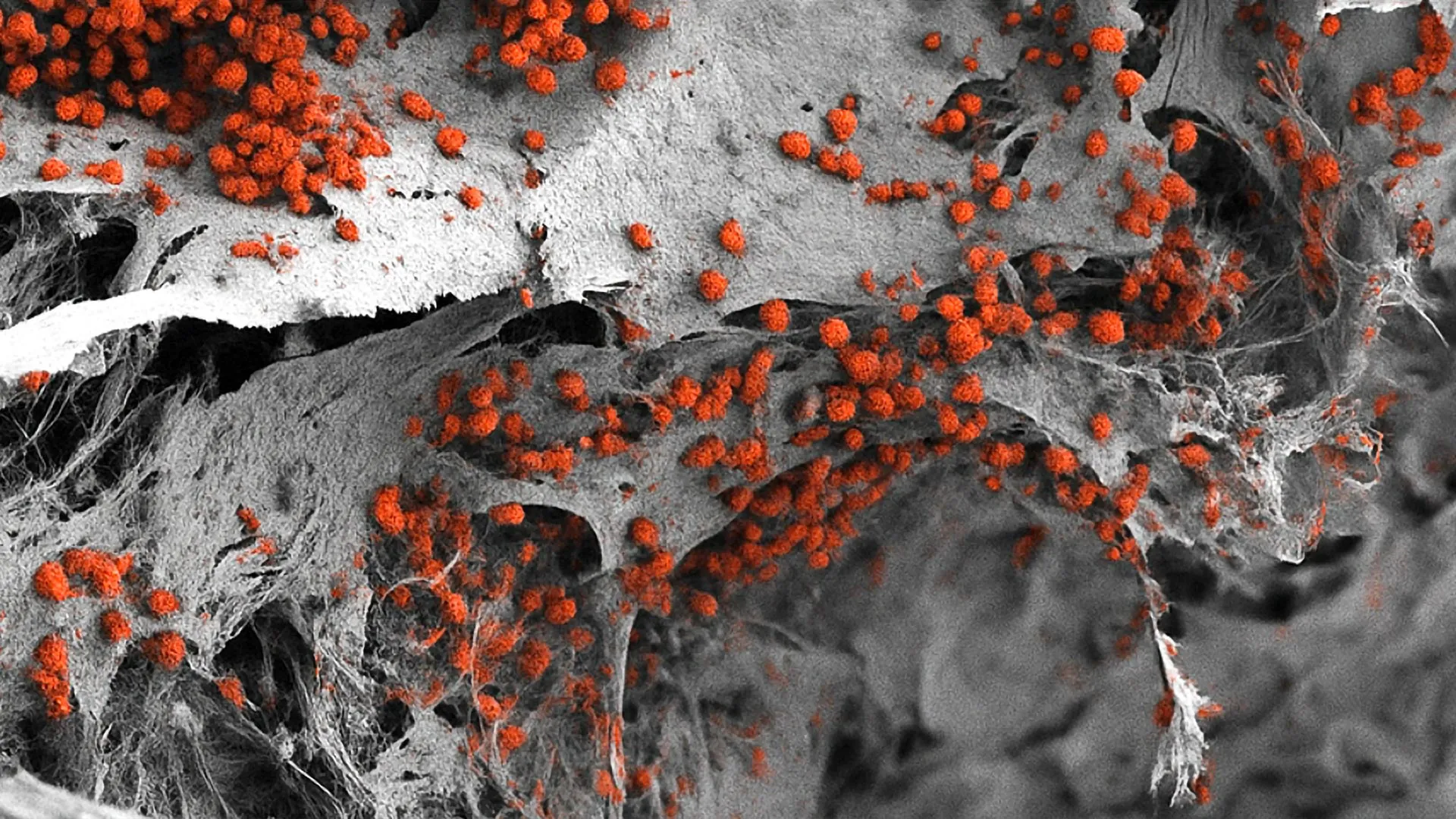
To bridge the gap between animal models and clinical application, the researchers tested the treatment on human tissue. They obtained cartilage samples from patients undergoing total knee replacements—tissue that was essentially at the "end-stage" of osteoarthritis. After just one week of exposure to the 15-PGDH inhibitor in a laboratory setting, the human samples began to show signs of recovery. There was a measurable decrease in the activity of genes associated with inflammation and cartilage breakdown, and the cells began producing new, functional articular cartilage.
A New Model for Tissue Regeneration: Beyond Stem Cells
One of the most scientifically significant findings of the study is the discovery that this regeneration does not rely on stem cells. For decades, regenerative medicine has focused on finding or injecting stem cells that can differentiate into new tissue. However, cartilage lacks a clear population of these "progenitor" cells.
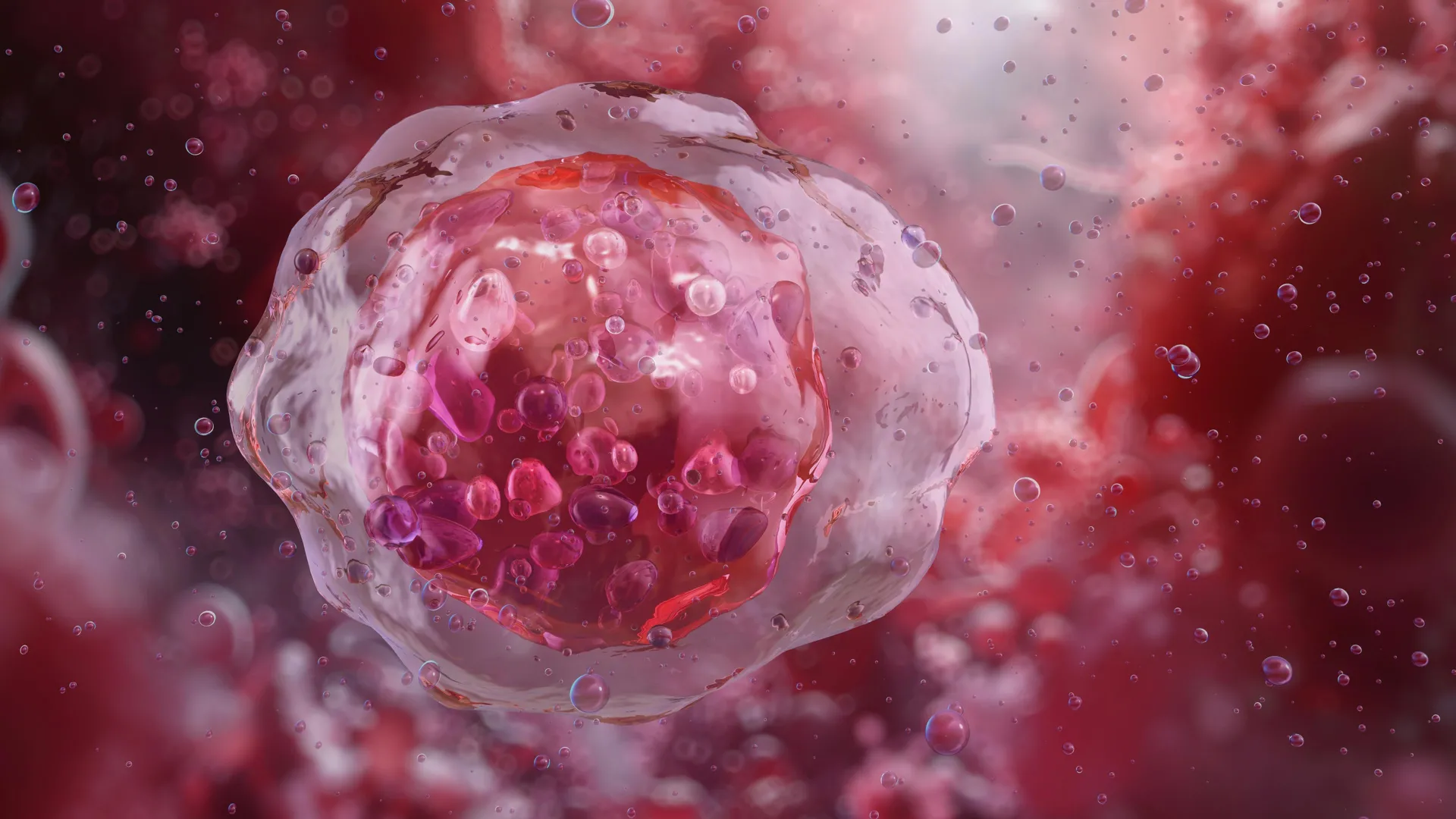
Instead, the Stanford team found that chondrocytes—the specialized cells that make up cartilage—possess a latent ability to shift their gene expression. Under the influence of the 15-PGDH inhibitor, older, "senescent" chondrocytes reverted to a more youthful state. They stopped producing inflammatory molecules and began rebuilding the collagen-rich extracellular matrix that gives cartilage its structure.
"This is a new way of regenerating adult tissue," said Dr. Helen Blau. "We were looking for stem cells, but they are clearly not involved. It’s very exciting to see that existing cells can be reprogrammed to repair the tissue they are part of."
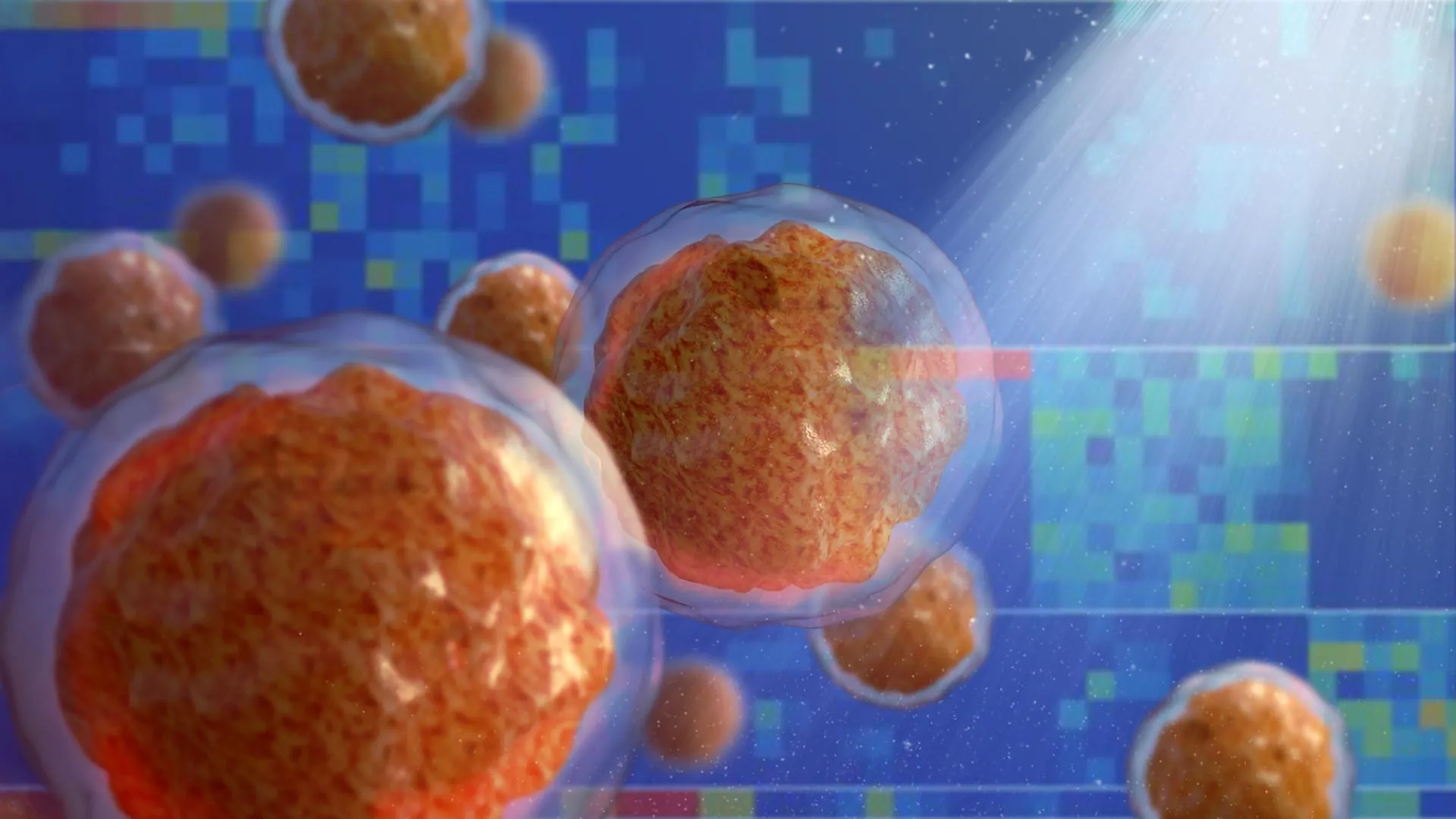
Analysis of the gene activity showed that the treatment reduced the population of cells responsible for cartilage breakdown from 8% to 3%, while the population of cells dedicated to building healthy hyaline cartilage nearly doubled, increasing from 22% to 42%. This internal cellular shift suggests that the body already possesses the machinery for repair; it simply needs the right biochemical signal to activate it.
Chronology of Research and Future Clinical Prospects
The journey to this discovery began several years ago in the Baxter Laboratory for Stem Cell Biology at Stanford.
- 2020-2022: The research team explores the role of Prostaglandin E2 in muscle regeneration, identifying its degradation as a key factor in sarcopenia (age-related muscle loss).
- 2023: The team officially identifies 15-PGDH as a "gerozyme" and publishes findings showing that its inhibition restores muscle function in aged mice.
- 2023-2024: Collaborative efforts between the departments of Microbiology, Immunology, and Orthopedic Surgery apply the gerozyme theory to cartilage.
- Current Status: An oral version of a 15-PGDH inhibitor is currently undergoing Phase 1 clinical trials to assess its safety in humans, specifically for treating muscle weakness.
The success of the Phase 1 trials for muscle weakness is a promising sign for the future of osteoarthritis treatment. Because the drug has already been shown to be safe in healthy human volunteers, the path to testing its efficacy for cartilage repair may be shorter than that of an entirely new compound.
Dr. Bhutani noted that the goal is to develop a treatment that can be administered early, perhaps shortly after a sports injury or at the first signs of age-related joint stiffness, to prevent the irreversible "bone-on-bone" stage of the disease. "Imagine regrowing existing cartilage and avoiding joint replacement," Blau added, emphasizing the potential for a non-invasive solution to a universal problem of aging.
Broader Implications and Economic Analysis
The successful development of a 15-PGDH inhibitor could have a profound impact on global health economics. If the need for joint replacements were reduced by even 25%, it would save billions of dollars in surgical costs and post-operative rehabilitation. Furthermore, by maintaining mobility in the elderly, such a treatment could reduce the incidence of secondary health issues related to sedentary lifestyles, such as cardiovascular disease and obesity.
From a scientific perspective, the study validates the "Geroscience" hypothesis—the idea that by targeting the fundamental biological processes of aging, we can treat multiple chronic diseases simultaneously. If 15-PGDH is indeed a universal gerozyme, its inhibition might eventually be used to treat age-related decline in the liver, lungs, and even the central nervous system, where PGE2 is also known to play a role.
While the results are highly encouraging, researchers caution that further human trials are necessary to determine the optimal dosage and delivery method—whether a systemic oral drug or a localized injection into the joint space. Nonetheless, the Stanford study provides the first clear evidence that the "root cause" of osteoarthritis is not just mechanical wear and tear, but a reversible biochemical process. This shift in understanding marks the beginning of a new era in orthopedic medicine, where the focus moves from managing decline to actively restoring youth to the body’s essential tissues.