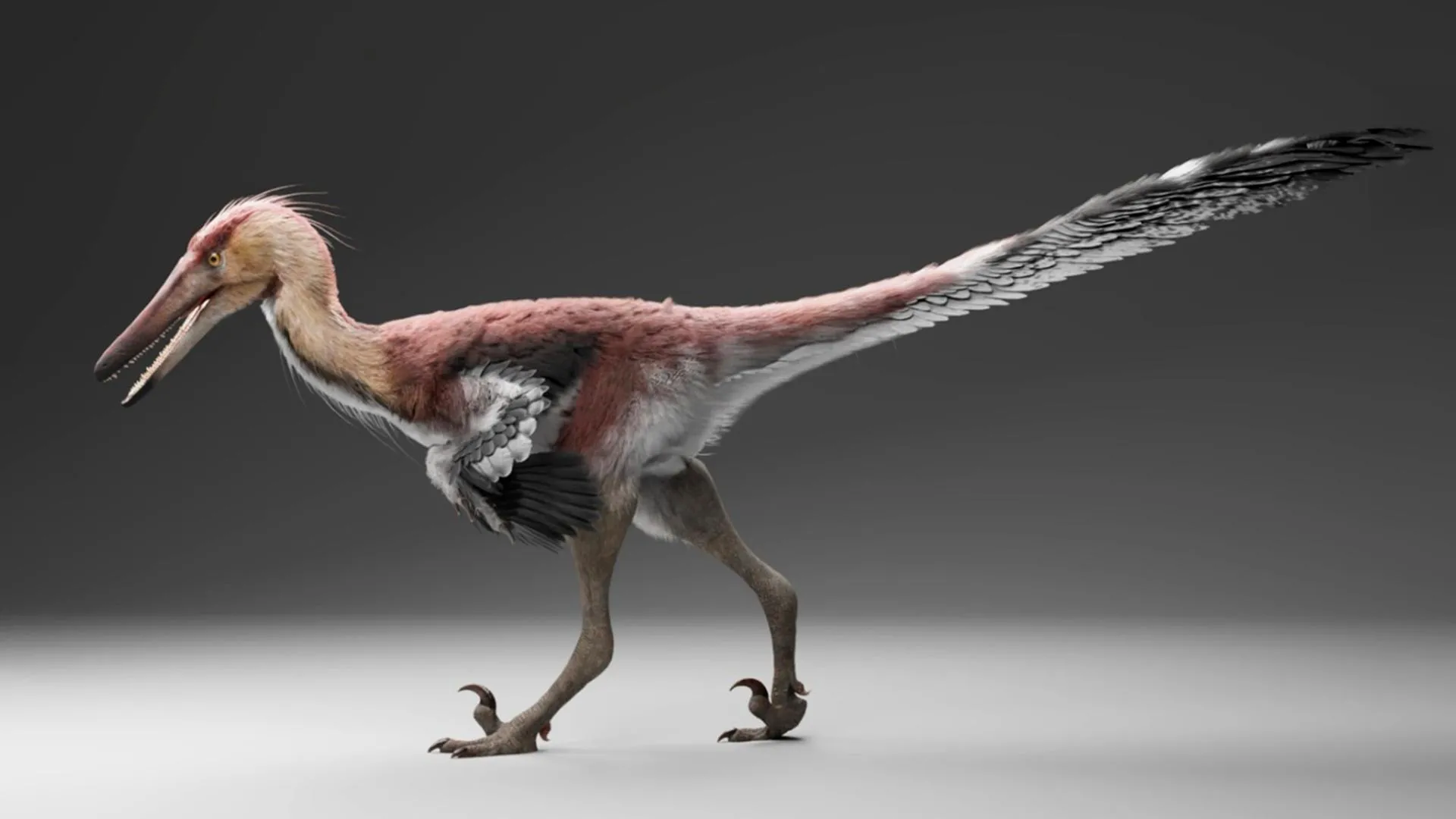
Paleontologists have unveiled the discovery of a remarkable new species of raptor-like dinosaur, named Kank australis, that roamed the wetlands of what is now southern Patagonia approximately 70 million years ago. This ancient predator, classified as an unenlagiid, exhibits a fascinating divergence from the typical image of raptors, with compelling evidence suggesting it was a specialized fish hunter, potentially employing hunting techniques akin to modern herons. The groundbreaking find, detailed in the esteemed Journal of Vertebrate Paleontology, sheds new light on the ecological diversity of South American theropods during the Late Cretaceous period.
Unearthing a Ghost from Ancient Wetlands
The identification of Kank australis is the culmination of years of meticulous excavation and analysis, primarily from the La Anita farm, located near El Calafate in Argentina’s Santa Cruz Province. The initial discovery of fossil remains, including distinctive teeth, vertebrae, and toe bones, occurred in 2018. However, these early findings were too fragmentary to definitively establish a new species. It wasn’t until subsequent expeditions, particularly the recovery of a crucial cervical (neck) vertebra in 2024, that researchers possessed sufficient material to recognize Kank australis as a distinct member of the unenlagiid family.
Unenlagiids are a fascinating group of small to medium-sized theropod dinosaurs, predominantly known from Late Cretaceous rock formations across South America, Antarctica, Australia, and Madagascar. Their presence in these widespread locales hints at complex dispersal patterns and perhaps even continental connections that are now lost to time. By comparing the unearthed fossils with those of Neuquenraptor argentinus, another well-studied unenlagiid that inhabited northern Patagonia around 90 million years ago, scientists have estimated that adult Kank australis likely reached an impressive length of approximately 2.5 to 3 meters (8 to 10 feet).
A Temperate and Humid Past: Patagonia Reimagined
The paleoenvironment where Kank australis thrived paints a vivid picture of a drastically different Patagonia than the one known today. Dr. Matías Motta, a lead paleontologist at the Bernardino Rivadavia Natural Sciences Museum in Buenos Aires and co-author of the study, describes a landscape rich with life and water. "Kank lived in a landscape of meandering rivers and streams with seasonal ponds, inhabited by aquatic plants such as water lilies and animals including fish, insects, and various molluscs," Dr. Motta stated. This description contrasts sharply with the arid, windswept steppes that characterize much of modern Patagonia.
Evidence gleaned from ancient soils and fossilized plant remains further supports the notion of a temperate and humid climate. Dr. Motta elaborates, "70 million years ago the climate was temperate and humid, with seasonal rainfall, very different from the current cold and relatively dry conditions." This ancient climate would have supported a lush and diverse ecosystem, providing ample sustenance for specialized predators like Kank australis.
An Anatomical Blueprint for a Fish Hunter
The fossilized bones of Kank australis offer compelling clues about its hunting strategies, particularly its specialized neck anatomy. Researchers identified unusual structures within the dinosaur’s cervical vertebrae. These features served as robust attachment points for powerful muscles, essential for precise and controlled movements of the neck. Crucially, these adaptations also appear to have provided protection for vital blood vessels within the neck.
Dr. Motta highlighted the significance of these findings: "The cervical vertebrae of Kank show special structures for muscle attachment and the protection of neck blood vessels, features particularly important in modern birds with complex neck movements, such as herons." This comparison to herons, birds renowned for their patient, strike-based fishing techniques, strongly suggests that Kank australis was not an agile terrestrial hunter in the mold of its more famous northern hemisphere relative, Velociraptor. Instead, its morphology points towards a life spent stalking the waters’ edge, ambushing unsuspecting prey. "This suggests Kank may have been an active fisher, contrasting with common portrayal of raptors as agile terrestrial predators," Dr. Motta added.
This specialized piscivorous (fish-eating) lifestyle adds a significant layer to our understanding of unenlagiids, indicating that this family occupied ecological niches distinct from those of other theropods, including their more widely recognized counterparts.
Bridging the Gap in the Fossil Record
The discovery of Kank australis plays a vital role in filling a significant gap in the paleontological record of southern Patagonia. Prior to this find, seven unenlagiid species had been identified from northern Patagonia, a region with a more extensive fossil record. Southern Patagonia, however, had yielded only isolated fossils that researchers could not confidently assign to a specific species.
"Kank helps bridge a distributional gap for the Late Cretaceous of southern Patagonia, connecting known records from northern Patagonia and Antarctica, and showing that this family was dispersed across different latitudes of South America," explained Dr. Motta. This discovery solidifies the presence of unenlagiids across a much broader geographical range within South America during the Late Cretaceous, suggesting a successful and widespread lineage.
Distinctive Traits of Kank australis
While sharing some characteristics with other unenlagiids, Kank australis possesses several unique features that set it apart. Like its relatives, it sported the characteristic enlarged claw on its second toe, a trait often associated with raptor dinosaurs. However, Dr. Motta pointed out key differences: "it differs in having teeth with sharp and pronounced longitudinal ridges and notably pneumatic cervical vertebrae (with internal air chambers)." The pneumatic nature of the vertebrae, meaning they contained air sacs, likely contributed to a lighter skeletal structure, further supporting a more agile and possibly semi-aquatic lifestyle.
Furthermore, Kank australis was more gracile and smaller compared to some of its more robust relatives. "It is also smaller and more gracile compared to other unenlagiids from the end of the Cretaceous, such as Austroraptor cabazai, a giant (around five meters long) unenlagiine from northern Patagonia," Dr. Motta noted. This size difference suggests that Kank australis occupied a different trophic level or ecological niche than larger unenlagiids.
A Diverse Diet in a Dynamic Ecosystem
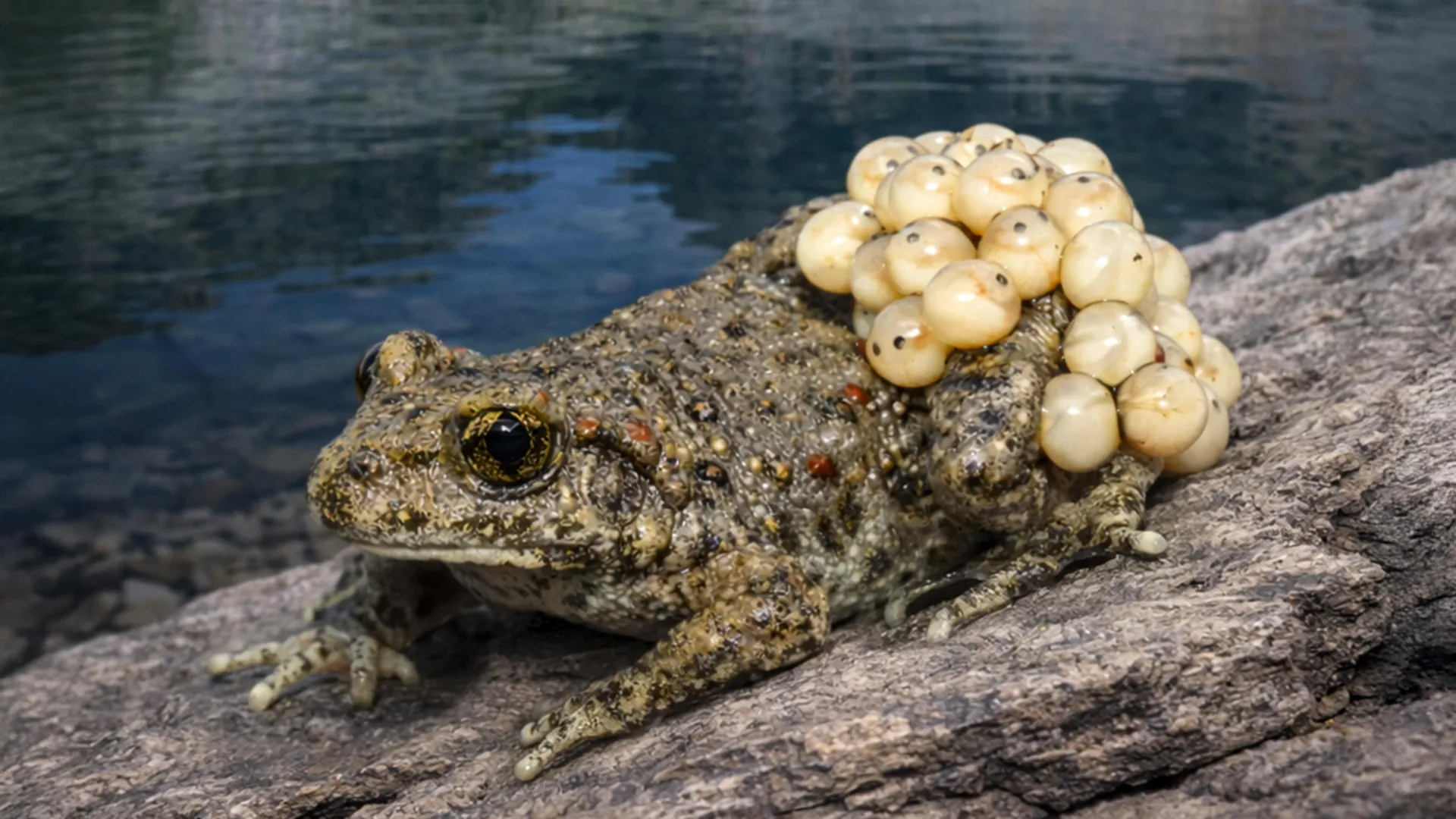
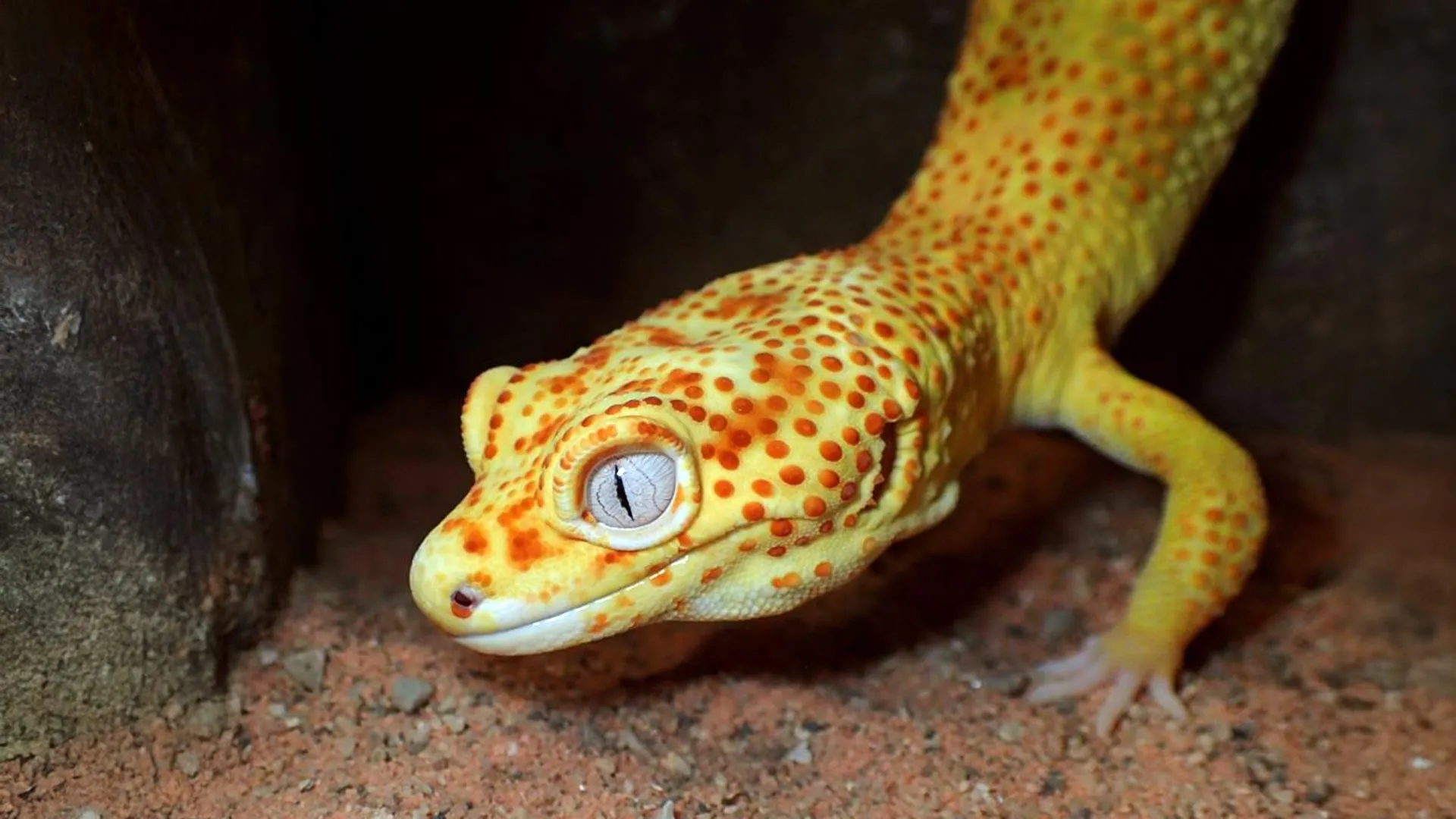
While the evidence strongly supports a diet rich in fish, it is probable that Kank australis was not exclusively a piscivore. Its rich wetland environment would have also harbored a variety of other potential prey. This would have included amphibians like frogs, reptiles such as lizards and turtles, and even early mammals. The discovery of fossils of Patagorhynchus pascuali, a semi-aquatic monotreme related to modern echidnas and platypuses, alongside Kank australis remains, further emphasizes the abundance of diverse life forms in this ancient ecosystem.
However, life in this ancient Patagonian wetland was not without its dangers. Kank australis shared its territory with much larger and more formidable predators. "Kank coexisted with larger carnivores such as Maip macrothorax, a formidable megaraptorid dinosaur more than 10 metres long, which may have been capable of preying upon it," Dr. Motta added. This ecological interplay between predator and prey adds another layer of complexity to the reconstructed ancient food web.
Honoring Indigenous Heritage: The Naming of Kank australis
The evocative name Kank australis is a deliberate nod to the rich cultural heritage of the Aonikenk people, the southernmost group of the Indigenous Tehuelche peoples of Patagonia. The genus name, "Kank," is derived from Aonikenk mythology, referring to a mythical giant rhea whose powerful strides are said to have imprinted its toes upon the sky, forming the constellation known as Choiols. This constellation, recognized in Western astronomy as Crux, the Southern Cross, serves as a celestial guidepost pointing towards the southernmost regions of the planet—precisely where this remarkable dinosaur was discovered. The species name, "australis," is Latin for "from the south," further reinforcing the geographic origin of this ancient creature.
Future Excavations and the Road Ahead
The discovery of Kank australis is not the end of paleontological exploration in this region, but rather a promising beginning. Researchers are eager to continue their excavations in the Chorrillo Formation, the geological layer from which the fossils were recovered. "The site where Kank was discovered has provided extensive information about the Late Cretaceous environment of southern Patagonia, so continuing excavations there is crucial," Dr. Motta emphasized. "Finding more Kank fossils will help us better understand its biology and ecological role."
Simultaneously, the research team is actively investigating newly recovered fossils from four different sites in northern Patagonia. These ongoing efforts are expected to further illuminate the widespread distribution and evolutionary history of unenlagiids. "These findings indicate that unenlagiids were widely distributed during the Late Cretaceous," Dr. Motta stated. The team’s focus remains on understanding the specific environments these dinosaurs inhabited and the evolutionary pressures that shaped their diversification, particularly in ecosystems dominated by apex predators like abelisaurids and megaraptorans. The continuing work promises to reveal even more about the complex and fascinating world of South America’s prehistoric past.