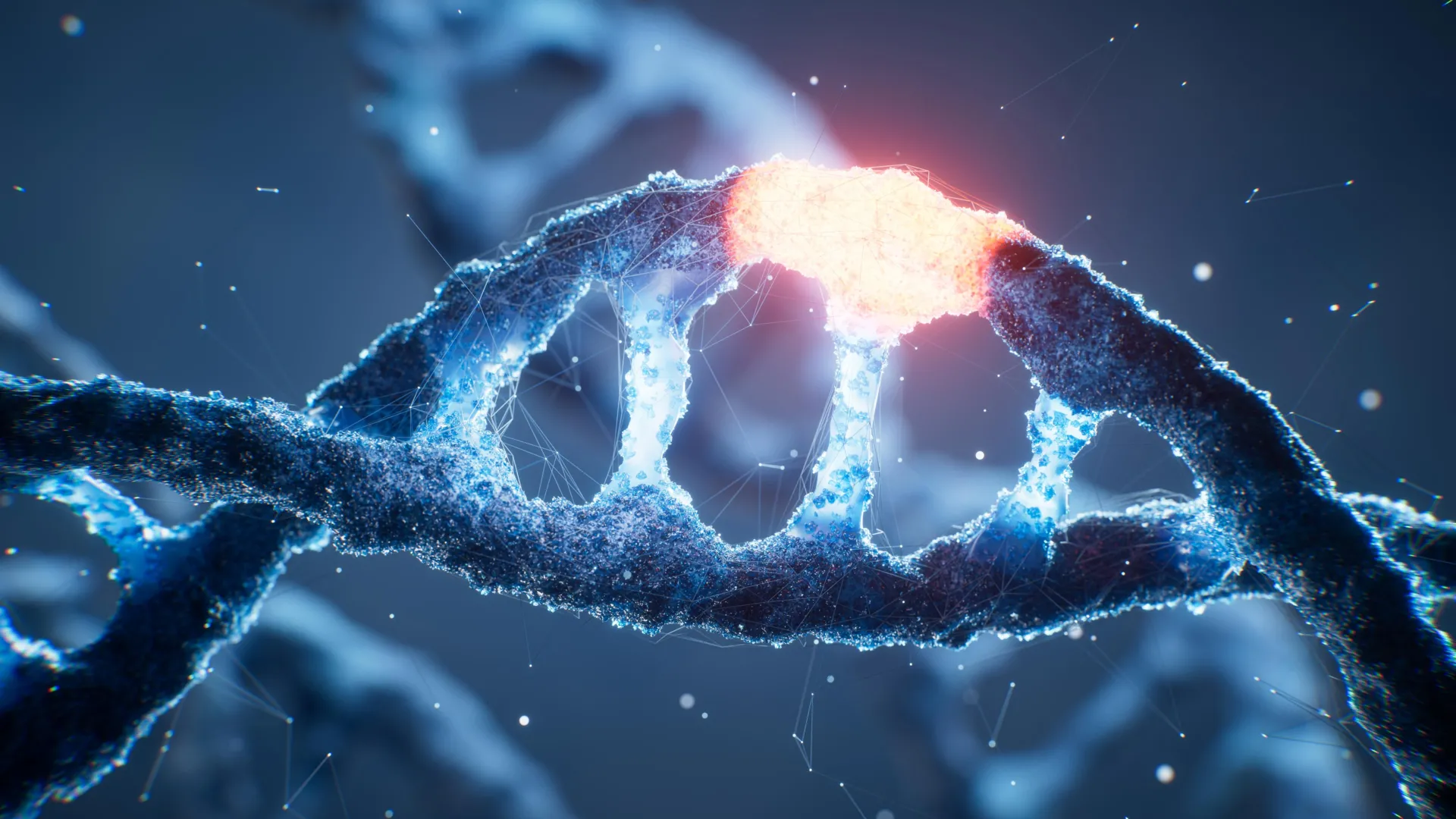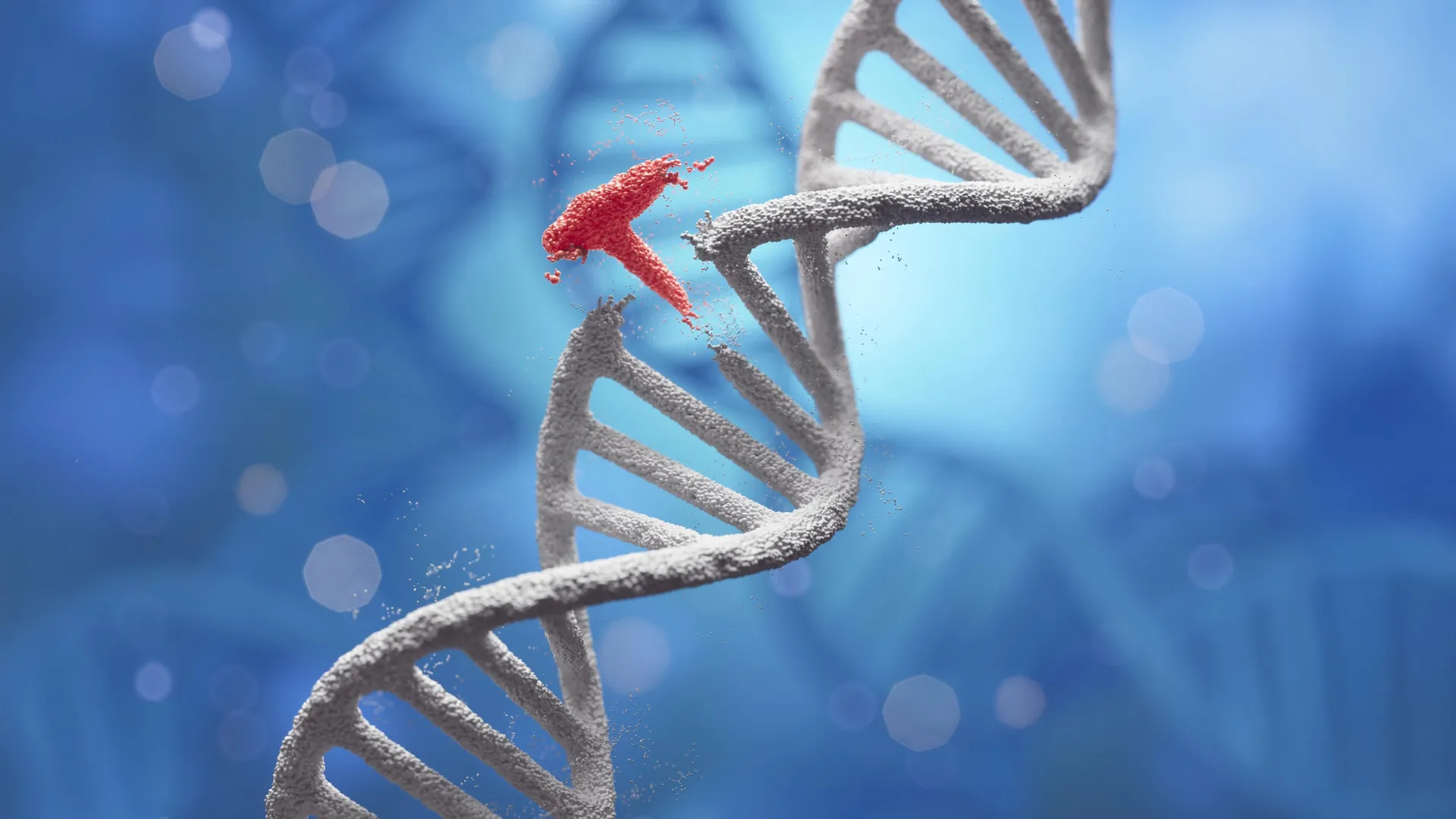
The foundational architecture of life is written in the language of DNA, a complex molecular tapestry of long-chain sequences that carry the essential instructions for biological function. For decades, the field of genetic engineering has relied on the "cut-and-paste" method—using molecular scissors known as restriction enzymes to excise specific segments of DNA and ligase enzymes to stitch them back together. While this approach has enabled breakthroughs in crop science, medical diagnostics, and pharmaceutical development, it has long been hampered by significant physical and chemical limitations. Now, a research collaboration between Nagoya University and Gifu University has unveiled a transformative technique utilizing silver nanoparticles to manipulate DNA with unprecedented precision, effectively rewriting the rules for synthetic biology.
The Constraints of Conventional Molecular Biology
Since the advent of recombinant DNA technology in the 1970s, researchers have been confined by the rigid nature of restriction enzymes. These proteins are biologically programmed to recognize and bind to specific "palindromic" DNA sequences—short, specific arrangements of nucleotides—and cleave them at designated points. While highly effective for basic gene splicing, this methodology presents two major hurdles.
First, restriction enzymes are sequence-dependent; they can only operate where their specific recognition sites exist. If a target DNA strand lacks these sites, researchers must resort to complex workarounds. Second, these enzymes typically produce "sticky ends"—the single-stranded overhanging sequences essential for binding—that are extremely short, often consisting of only two to four base pairs. Short sticky ends are thermodynamically unstable, leading to low assembly efficiency and making the construction of long, complex genomic chains a tedious, hit-or-miss endeavor.
A Historical Retrospective: From Silver Ions to Nanotechnology
The quest for a more flexible alternative led Professor Hiroshi Abe and Assistant Professor Masahito Inagaki to re-examine chemical cleavage methods that had largely been abandoned in the early 1990s. In the period between 1990 and 1992, early experiments identified that silver ions could catalyze the cleavage of DNA modified with 3′-thiol groups. However, the initial application of this discovery was fraught with technical failure.
When the Nagoya-Gifu team first attempted to replicate these reactions, they encountered the same obstacles that had relegated the method to historical archives: the silver ions lacked specificity, adhering to unwanted areas of the DNA strands and causing significant precipitation. In these early trials, the recovery rate of viable DNA fragments plummeted to a mere 14%. This rendered the process impractical for any clinical or commercial use, where high purity and yield are absolute requirements for success.
The Nanoparticle Revolution: Stability and Precision
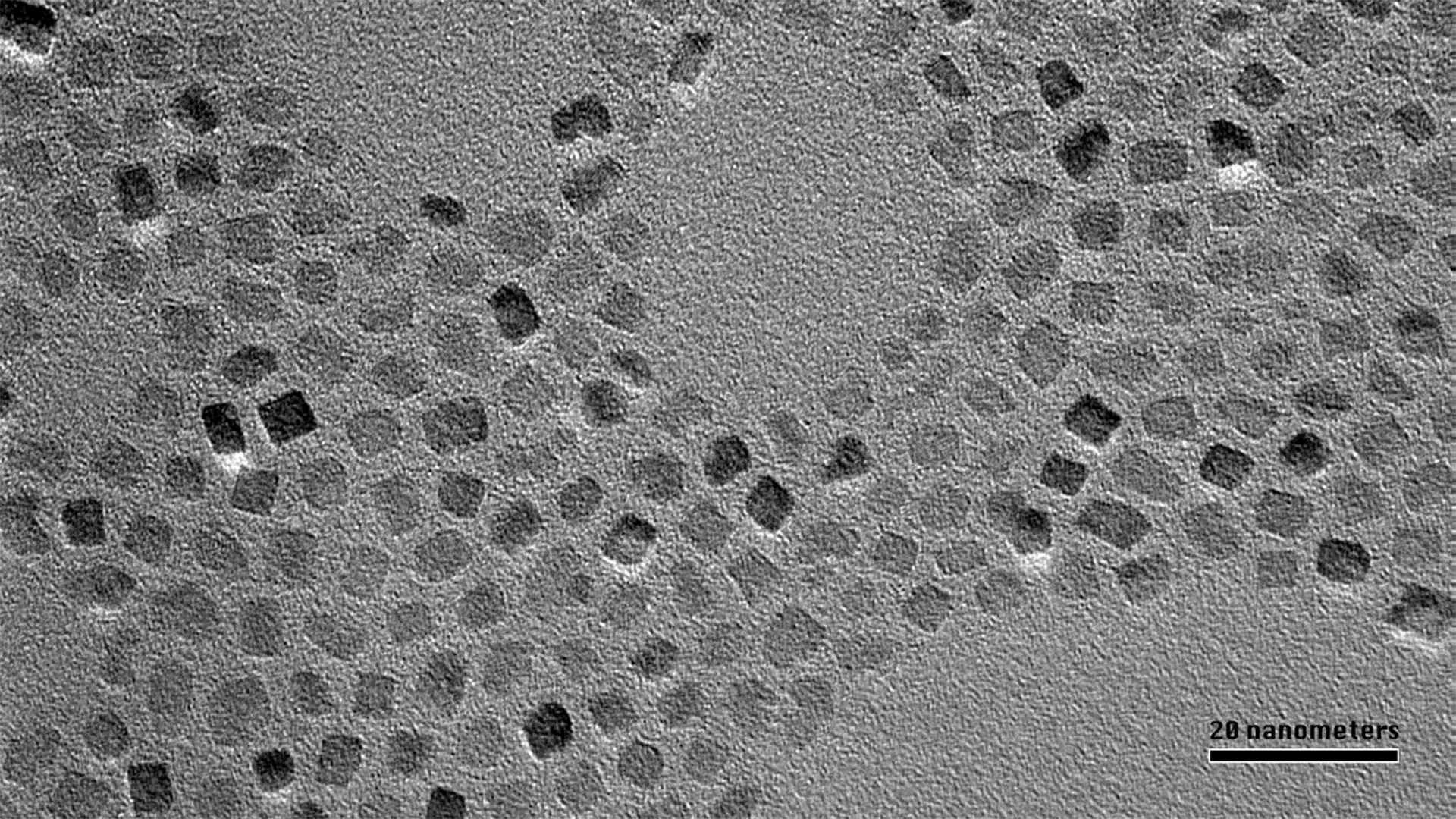
Recognizing that the chemical potential of silver was sound but its delivery mechanism was flawed, the researchers pivoted to silver nanoparticles. By utilizing these solid-phase metallic particles, the team gained the ability to manipulate the reaction environment through centrifugation. This allowed for the physical separation of the catalyst from the DNA, a critical development for purification.
The journey toward a refined protocol required extensive iteration. Early trials using bare silver nanoparticles showed high cleavage efficiency at high temperatures—reaching near 100% at 95°C—but these conditions proved destructive to the structural integrity of the long DNA molecules being studied. To mitigate this, the team engineered a coating of polyethylene glycol (PEG) around the silver nanoparticles. This polymer layer served a dual purpose: it stabilized the nanoparticles in solution and significantly lowered the activation energy required for the reaction.
The impact of the PEG coating was statistically profound. Without the polymer, cleavage efficiency at 37°C lingered at approximately 36%. With the optimized PEG-coated nanoparticles, that figure climbed to 92% over a 31-hour period. Through iterative refinement, the researchers eventually hit a "sweet spot": a process that achieves over 91% cleavage efficiency at a moderate 50°C in just one to two hours, preserving the structural viability of the DNA for downstream applications.
Quantitative Gains in Assembly Efficiency
The true utility of this new method is best illustrated by the significant increase in assembly efficiency compared to traditional ligation techniques. By bypassing the limitations of restriction enzymes, the silver nanoparticle method allows for the creation of much longer sticky ends—specifically 8-base or 18-base overhangs—which provide a stronger thermodynamic "grip" during the joining process.
The empirical data presented in their study, published in Nucleic Acids Research, demonstrates a stark contrast in performance:
- 4-Base Overhang (Conventional): Yielded an assembly efficiency of only 8%.
- 18-Base Overhang (Nanoparticle-Assisted): Yielded an assembly efficiency of 44%.
This fivefold improvement in efficiency is complemented by a "built-in" purification effect. Because unwanted DNA fragments remain tethered to the silver nanoparticle surfaces, they can be easily removed, leaving the desired, highly pure DNA in solution. This refined process increased total DNA recovery rates from the initial 14% to a staggering 98%, a metric that is expected to be a game-changer for industrial-scale synthetic biology.
Practical Validation: The GFP Proof-of-Concept
To ensure the theoretical gains translated into biological functionality, the team performed a rigorous validation test. They used their method to assemble a DNA fragment encoding Green Fluorescent Protein (GFP), a standard reporter gene used in biological research to track protein expression.
The assembled DNA was introduced into human HeLa cells. The subsequent successful expression of GFP within the cells confirmed that the chemical manipulation by the silver nanoparticles had not damaged the gene’s functional sequence. The DNA remained readable and biologically active, demonstrating that the nanoparticle method is safe for sensitive, living cellular environments.
Future Implications for Medicine and Biotechnology
The potential applications for this technology are broad and significant. As Assistant Professor Masahito Inagaki noted, the ability to synthesize genomic DNA with such high precision opens doors for the rapid establishment of mRNA libraries—a critical component in the development of next-generation cancer vaccines. Furthermore, the technology could streamline the creation of artificial protein drugs and the engineering of climate-resilient "genome crops."
The research team is now shifting its focus toward the "multi-fragment assembly" challenge. While joining two pieces of DNA is a foundational success, the goal of modern synthetic biology is to assemble entire genomes or large multi-gene circuits simultaneously. If the silver nanoparticle technique can be scaled to join multiple fragments in a single reaction vessel, it would drastically reduce the time and cost associated with building complex biological systems from scratch.
An Evolving Landscape of Genetic Engineering
The shift toward metallic nanoparticle-assisted synthesis reflects a broader trend in biotechnology: the integration of inorganic chemistry into organic molecular engineering. By stepping away from the reliance on natural proteins like restriction enzymes, scientists are gaining a higher degree of control over the "code" of life.
This research, supported by the Japan Science and Technology Agency (JST) and the Japan Agency for Medical Research and Development (AMED), underscores the necessity of interdisciplinary collaboration. By merging expertise in material science and molecular genetics, the Nagoya and Gifu researchers have provided a scalable, efficient, and robust tool that addresses a decades-old bottleneck. As the industry moves toward personalized medicine and genome-scale engineering, the ability to efficiently connect long, complex DNA fragments will move from a laboratory luxury to a fundamental pillar of biomanufacturing. The next phase of research will undoubtedly be closely watched, as the successful transition from a two-fragment join to a multi-fragment assembly could redefine the speed and scope of modern genetic discovery.