A groundbreaking study from the USC Leonard Davis School of Gerontology has identified a potential biological bridge between dietary habits and cellular longevity, suggesting that the Mediterranean diet influences health through the modulation of specific mitochondrial microproteins. By analyzing blood samples from older adults, researchers discovered that adherence to this diet correlates with elevated levels of humanin and SHMOOSE, two proteins encoded within the mitochondria that play critical roles in mitigating cardiovascular disease and neurodegeneration. This discovery provides a molecular explanation for the well-documented longevity benefits associated with diets rich in olive oil, legumes, and lean proteins, marking a significant advancement in the field of precision nutrition.
The Biological Engine: Mitochondria and Microproteins
For decades, the scientific community has focused on the nucleus as the primary repository of genetic instructions. However, mitochondria—the organelles responsible for generating adenosine triphosphate (ATP), the chemical energy that fuels cellular processes—possess their own distinct DNA. For years, regions of mitochondrial DNA were dismissed by many as "junk" or non-functional. The research led by USC Distinguished Professor Pinchas Cohen has helped dismantle this misconception, proving that these segments, known as open reading frames, encode potent, biologically active microproteins.
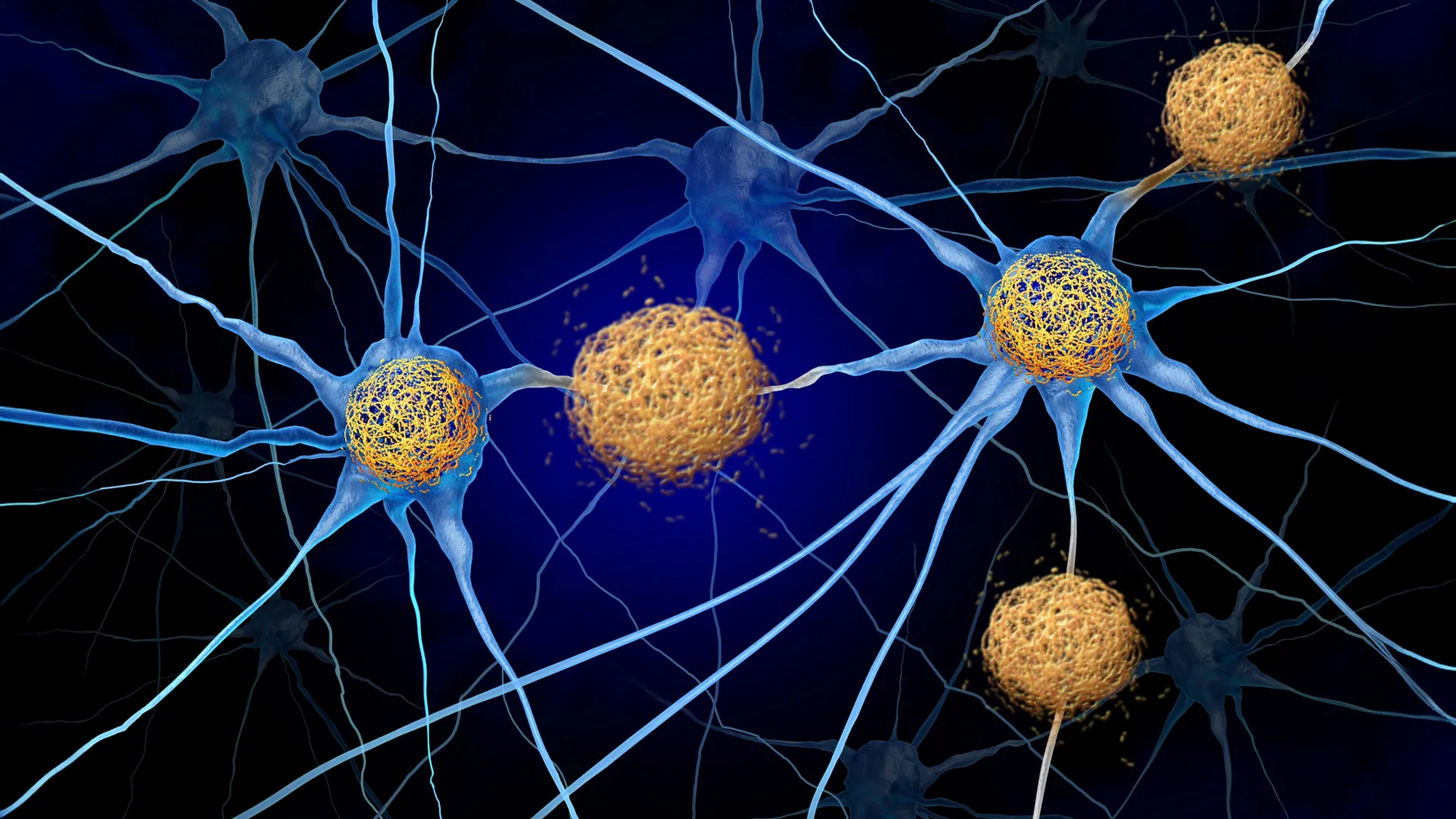
Humanin, the first of these to be identified by Cohen’s team in 2003, has since been established as a vital regulator of metabolic health. It has been shown to enhance insulin sensitivity and provide a protective shield against the cellular damage that precedes Alzheimer’s disease. More recently, the discovery of SHMOOSE (Small Human Mitochondrial ORF Over SErine tRNA) has added another layer of complexity. Studies indicate that a genetic variant of SHMOOSE is linked to a heightened risk of Alzheimer’s, while the common version of the protein appears to stabilize neurons against the toxic accumulation of amyloid proteins, which are hallmark indicators of cognitive decline.
A Chronology of Discovery
The exploration of mitochondrial microproteins is the result of over twenty years of sustained investigation. The trajectory of this research can be broken down into three distinct phases:
- 2003 – The Discovery of Humanin: The identification of the first mitochondrial microprotein established that mitochondria perform roles far beyond simple energy production, including active signaling and stress response.
- 2010s – The Link to Chronic Disease: Subsequent laboratory research linked humanin and related peptides to improved cardiovascular markers and increased longevity in model organisms.
- 2023–2024 – Dietary Integration: The latest study, led by Instructional Associate Professor of Gerontology Roberto Vicinanza, represents the first significant attempt to link these specific proteins to human nutritional patterns. By analyzing the diets of older adults, the team successfully correlated specific food groups—such as olive oil and legumes—with the measurable presence of these proteins in the blood.
Data Analysis: Diet and Molecular Response
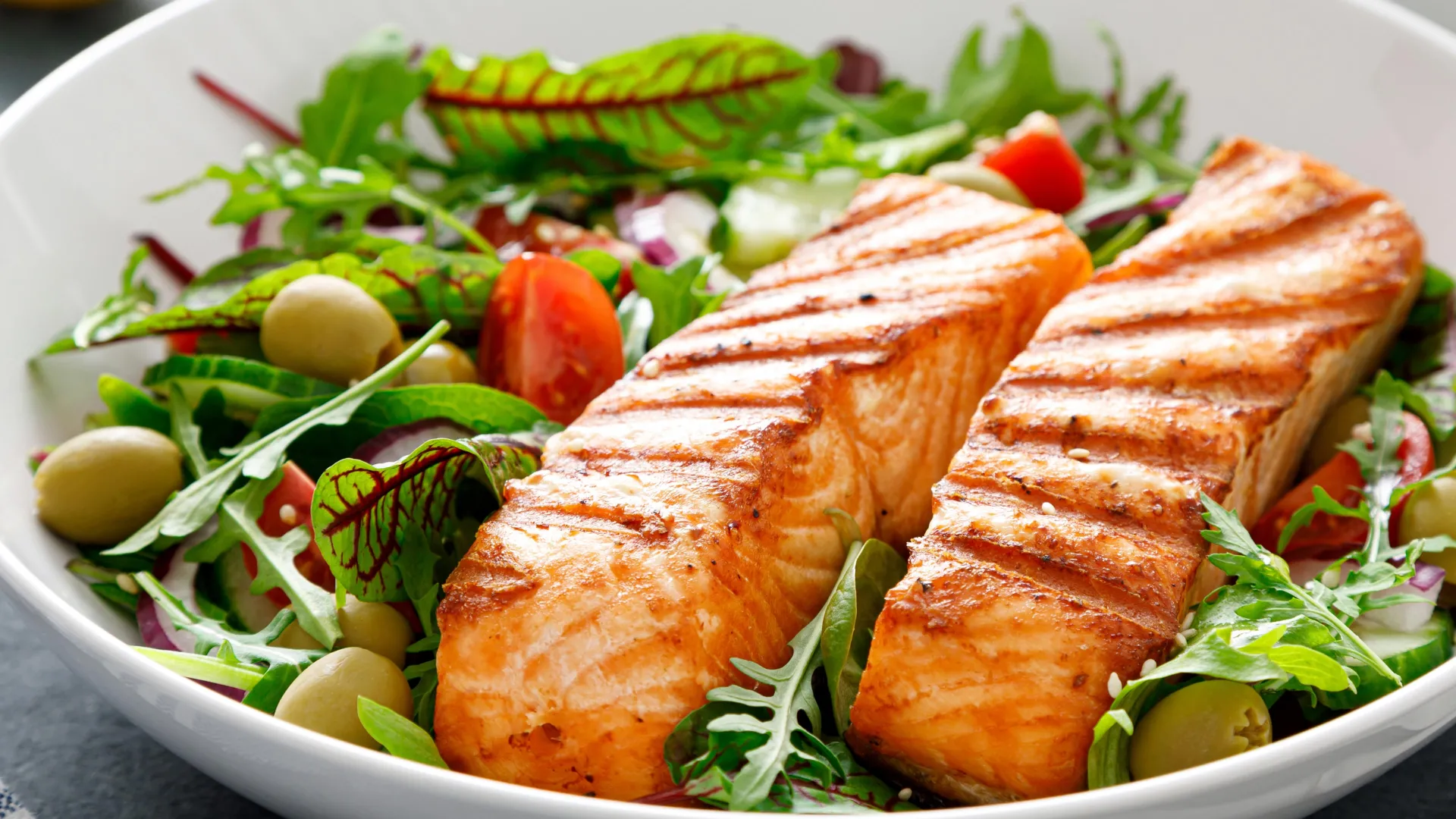
The USC study utilized blood panels to compare dietary intake against protein concentration. The findings revealed that the "Mediterranean effect" is not uniform; different components of the diet appear to trigger different biological pathways. For instance, participants who consumed higher quantities of olive oil, fish, and legumes demonstrated a marked increase in humanin levels. Conversely, the reduction of refined carbohydrates, combined with a high intake of olive oil, was strongly associated with elevated levels of SHMOOSE.
This variance suggests that the Mediterranean diet functions as a multifaceted intervention. Furthermore, the research identified an inverse relationship between humanin levels and the activity of Nox2, an enzyme responsible for generating reactive oxygen species (ROS). When ROS levels become excessive, they induce oxidative stress—a state that damages DNA and proteins. By suppressing Nox2 activity, humanin potentially acts as a natural antioxidant, providing a direct molecular mechanism for the cardiovascular protection observed in populations following the Mediterranean diet.
Official Perspectives and Scholarly Context
The implications of this study are being discussed widely within the geriatric and nutritional science communities. Dr. Roberto Vicinanza, the study’s lead author, emphasized that these microproteins might serve as "molecular messengers" that translate environmental inputs, such as food, into cellular instructions.
"We are connecting centuries-old dietary traditions with cutting-edge molecular biology," Vicinanza noted. He suggests that the human body, particularly the mitochondria, may be evolutionarily adapted to the nutrient profile provided by the Mediterranean diet. Because these organelles are ancient in origin, they may function most efficiently when provided with the whole, unprocessed foods that have been staples of the human diet for millennia.
Dean Pinchas Cohen, the senior author of the study, highlighted the potential for clinical application. "Humanin and SHMOOSE could serve as biomarkers for adherence to the Mediterranean diet and have clinical significance," Cohen stated. By utilizing these proteins as biomarkers, clinicians could eventually move toward a more objective, data-driven approach to nutritional counseling, allowing for the assessment of whether a patient’s diet is truly optimizing their cellular health.
Global Impact and Public Policy
The study’s findings align with a broader global push to promote the Mediterranean diet not only as a health intervention but as a sustainable lifestyle. The collaboration between the USC researchers and the Municipality of Pollica, Italy—a designated UNESCO Mediterranean Diet emblematic community—underscores the marriage of traditional culture and modern science.
The establishment of the International Day of the Mediterranean Diet, observed annually on November 16, serves as a platform to disseminate these findings to a global audience. The recognition of the diet’s health benefits is increasingly viewed through the lens of environmental sustainability; the reliance on locally sourced, plant-based foods and minimal processing aligns with lower carbon footprints, potentially creating a "win-win" scenario for public health and planetary stability.
Limitations and Future Directions
While the results are compelling, the research team maintains a high degree of scientific caution. The study was observational, meaning it documented a correlation between diet and microprotein levels rather than proving a direct causal relationship. To establish causality, future research must move into controlled clinical trials, where dietary interventions are strictly monitored to determine if they consistently raise levels of humanin and SHMOOSE and, crucially, if those changes directly prevent disease.
Additionally, the researchers acknowledge that other lifestyle factors—such as physical activity, sleep, and social engagement—likely intersect with mitochondrial health. The next phase of this research will focus on the "mechanistic" side of the equation: testing whether increasing these microproteins in a controlled setting directly improves outcomes for patients with cardiovascular issues or early-stage cognitive impairment.
Implications for Precision Nutrition
The move toward "precision nutrition" is perhaps the most significant long-term implication of this study. Current dietary guidelines are often broad, designed for the general population. However, if individual response to a diet can be measured via specific biomarkers like humanin, the possibility of tailoring nutritional strategies to an individual’s unique biological state becomes a reality.
For the aging population, this could represent a paradigm shift. If mitochondrial function can be modulated through diet to maintain high levels of these protective microproteins, the medical community may be able to delay the onset of age-related illnesses by decades, significantly reducing the burden of chronic disease.
As the field of gerontology continues to evolve, the integration of traditional knowledge with molecular discovery remains a cornerstone of the effort to extend the human healthspan. By viewing the mitochondria not just as an energy source, but as a dynamic, responsive hub of cellular regulation, researchers are uncovering the biological reality of why the Mediterranean diet remains the gold standard for longevity. The transition from identifying these proteins to harnessing them for therapeutic use represents the next great frontier in nutritional science.