


In a landmark achievement for regenerative medicine and developmental biology, researchers have unveiled the first comprehensive "blueprint" of human skeletal development. This spatial and single-cell map provides an unprecedented look at how the human skeleton forms during the earliest stages of life, offering a new lens through which to view the origins of common conditions like arthritis and rare congenital disorders such as craniosynostosis. Led by the Wellcome Sanger Institute and a global network of collaborators, the study represents a pivotal contribution to the Human Cell Atlas (HCA), an international initiative aimed at mapping every cell type in the human body to better understand health and disease.
The research, published in the journal Nature, is part of a massive coordinated release of over 40 HCA publications. These studies collectively represent a generational leap in biological understanding, providing a "Google Maps" for the human body at a cellular level. By focusing on the first trimester of pregnancy—specifically the period between 5 and 11 weeks post-conception—the team has decoded the complex genetic instructions and cellular interactions that transform a cluster of progenitor cells into the structural framework of the human body.
The Cellular Mechanics of Bone Formation
For decades, the understanding of how bones grow was limited to histological observations and animal models. However, the application of cutting-edge single-cell RNA sequencing and spatial transcriptomics has allowed the Sanger Institute team to identify the precise location and function of every cell involved in early skeletal formation. The study reveals that the majority of the human skeleton follows a process known as endochondral ossification. In this process, cartilage cells act as a temporary scaffold, providing a template upon which bone-forming cells, or osteoblasts, eventually deposit mineralized tissue.
However, the researchers discovered a significant exception to this rule: the calvarium, or the upper part of the skull. Unlike the long bones of the arms and legs, the skull forms through intramembranous ossification, where bone develops directly from mesenchymal tissue without a cartilage precursor. By mapping these distinct pathways, the team identified specialized early bone cells unique to the skull. This discovery is crucial for understanding how the human head achieves its complex shape while allowing for the rapid expansion of the brain during infancy.
Addressing Congenital Conditions: The Mystery of the Fusing Skull
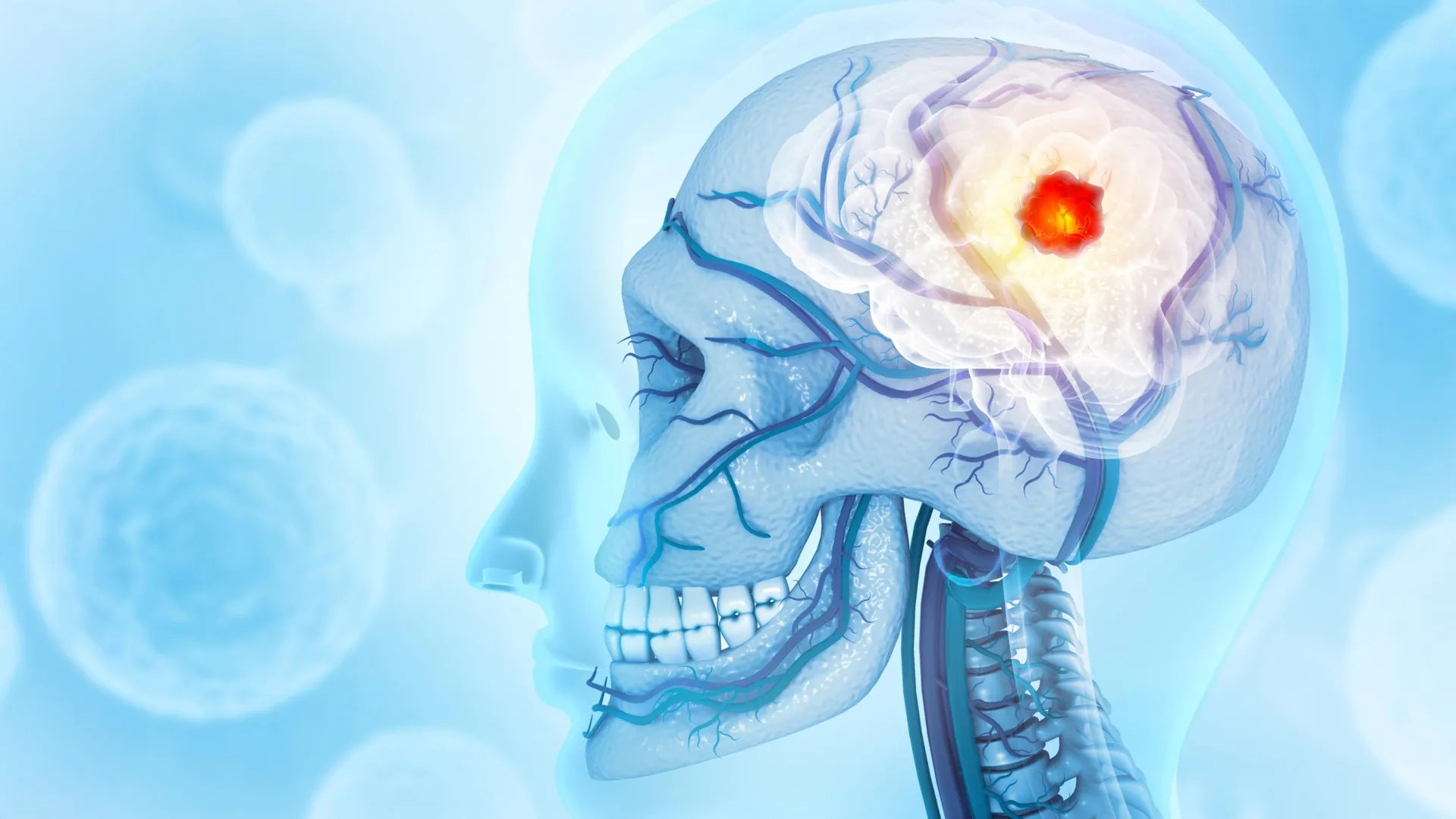
One of the most immediate clinical applications of this skeletal atlas is the study of craniosynostosis. In healthy infants, the skull consists of several plates joined by fibrous sutures or "soft spots." these gaps allow the skull to expand as the brain grows at an exponential rate during the first two years of life. Typically, these sutures fuse when a child is between one and two years old. In cases of craniosynostosis, however, these plates fuse prematurely.
Craniosynostosis occurs in approximately one in every 2,000 to 2,500 births. When the skull fusses too early, it restricts brain growth, leading to increased intracranial pressure. If left untreated, this can result in permanent neurological damage, including learning disabilities, vision loss, and hearing impairment. While surgery is a common and effective treatment in developed nations like the UK, the underlying cellular triggers of the condition have long remained elusive.
By using the new skeletal atlas, the researchers were able to pinpoint the specific cell populations where genetic mutations associated with craniosynostosis manifest. They identified how these mutations disrupt the signaling pathways of early bone cells in the calvarium, essentially "tricking" them into maturing and fusing long before they should. This level of cellular resolution provides a new pathway for developing non-surgical diagnostic tools and potentially even therapeutic interventions that could modulate bone growth in the womb or shortly after birth.
The Evolutionary and Developmental Roots of Arthritis
Beyond congenital disorders, the skeletal atlas sheds light on the most common joint disorder in the world: osteoarthritis (OA). In the United Kingdom alone, more than 10 million people suffer from arthritis or similar joint conditions. Osteoarthritis is characterized by the breakdown of protective cartilage, leading to bone-on-bone friction, chronic pain, and loss of mobility. Because adult humans have a very limited capacity to regenerate cartilage, severe cases often necessitate total joint replacement surgery.
The research team made a startling discovery regarding the genetic predisposition to OA. They found that the genetic variants associated with a higher risk of developing hip osteoarthritis are active during the very early stages of bone cell development. In contrast, genetic variants linked to knee osteoarthritis were found to be active in early cartilage cells, specifically those involved in the repair and maintenance of the tissue.
This distinction suggests that "arthritis" is not a monolithic condition, but rather a set of disorders with different developmental origins depending on the joint affected. The finding that hip OA risk is rooted in bone development while knee OA risk is rooted in cartilage repair pathways could revolutionize how the pharmaceutical industry approaches drug development. Instead of a one-size-fits-all treatment, future therapies could be tailored to the specific cellular pathways of the affected joint.
A New Frontier in Pregnancy Safety and Drug Development
The skeletal atlas also serves as a critical resource for assessing the safety of medications during pregnancy. The first trimester is a period of intense organogenesis, where the developing embryo is most vulnerable to external chemical influences. However, ethical and safety concerns make it nearly impossible to conduct clinical trials on pregnant women.
To address this gap, the Sanger Institute team used the atlas to screen 65 clinically approved drugs that are currently not recommended or are contraindicated during pregnancy. By mapping the receptors and pathways these drugs target onto the skeletal atlas, they were able to demonstrate exactly how these substances could disrupt bone and cartilage development.
For example, certain medications used to treat hypertension or skin conditions may interact with the gene networks responsible for limb elongation or skull formation. By providing this data as a freely available resource, the researchers are offering a "virtual laboratory" where drug developers and regulatory bodies can predict the teratogenic (birth defect-causing) potential of new compounds before they ever reach the market.
The Broader Context: The Human Cell Atlas Milestone
This study does not exist in isolation. It is part of a monumental release of data from the Human Cell Atlas (HCA), a project founded in 2016 by Professor Sarah Teichmann and Dr. Aviv Regev. The HCA has grown into a global consortium of more than 3,600 members from over 100 countries. The collection of 40 papers published alongside the skeletal atlas covers everything from the development of the human gut and heart to the intricate wiring of the nervous system.
Professor Sarah Teichmann, a senior author of the skeletal study and co-founder of the HCA, emphasized the collaborative nature of the project. "Our unique freely available skeletal atlas sheds new light on cartilage, bone, and joint development in the first trimester, detailing the cells and pathways involved together for the first time," she stated. Teichmann, who recently transitioned from the Wellcome Sanger Institute to the Cambridge Stem Cell Institute, noted that this atlas is a cornerstone in the HCA’s mission to understand the human body across all stages of development, health, and disease.
Expert Reactions and Future Implications
The researchers involved in the study believe the atlas will serve as a foundational text for the next generation of medical breakthroughs. Dr. Ken To, co-first author from the Wellcome Sanger Institute, highlighted the potential for "growing bone in a dish." By understanding the precise "recipe" of signals and cell types required to build a human bone, scientists may eventually be able to bioengineer replacement tissues for patients with severe fractures or degenerative diseases, bypassing the need for metal and plastic implants.
Dr. Jan Patrick Pett, also a co-first author, noted the computational achievement of the project. "Our multi-layered, time- and space-resolved atlas enabled novel computational analyses, which we used to create an integrated view of how developmental processes are regulated," he said. This integrated view allows scientists to see not just which genes are turned on, but how cells "talk" to their neighbors to coordinate the construction of a complex structure like the human hand or ribcage.
The release of the skeletal atlas is expected to trigger a wave of new research in orthopedics, pediatrics, and evolutionary biology. By providing the data for free to the global scientific community, the Wellcome Sanger Institute has ensured that researchers from low-resource settings can also contribute to and benefit from these discoveries.
As the global population ages and the burden of musculoskeletal conditions grows, the insights gained from this first-trimester blueprint may prove essential. From preventing birth defects to curing the aches of old age, the map of our skeletal beginnings is opening a new chapter in the history of human medicine. The atlas is now accessible online, serving as a permanent reference for anyone seeking to understand the architectural origins of the human frame.
















Leave a Reply