

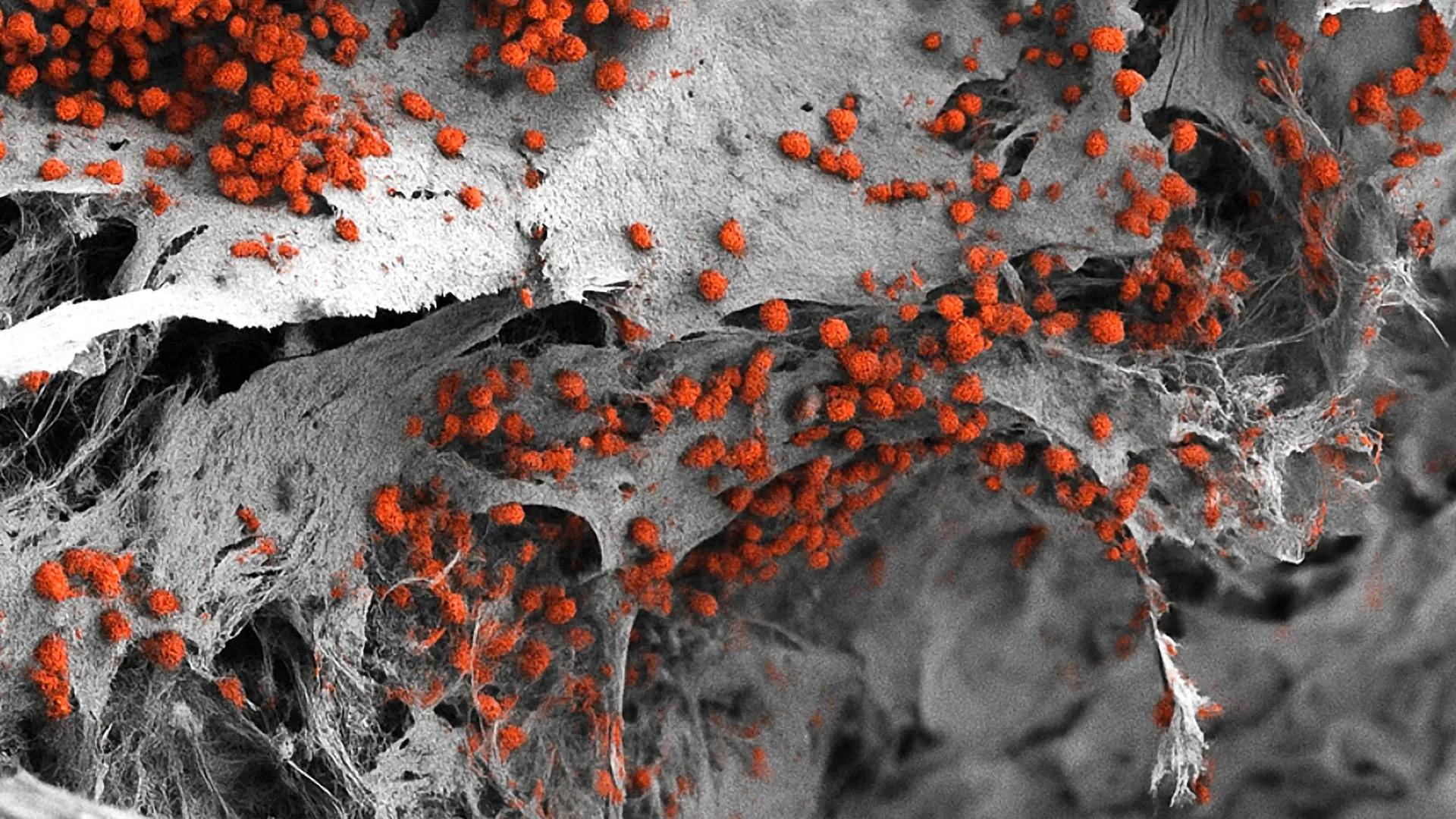
In a landmark achievement for bioengineering and hematology, a multidisciplinary team of researchers from the University of Basel and University Hospital Basel has successfully engineered a functional, three-dimensional model of human bone marrow using exclusively human cells. This sophisticated "blood factory" replicates the intricate biological environment where the body’s blood cells are produced, offering a high-fidelity alternative to traditional animal-based research. The study, published in the prestigious journal Cell Stem Cell, represents a significant leap forward in our ability to study blood cancers, test new pharmaceutical compounds, and move toward a future of personalized medicine.
The human bone marrow is one of the most complex and vital tissues in the body. Operating as a highly specialized organ, it serves as the primary site for hematopoiesis—the continuous process of blood cell formation. Within this "factory," a delicate balance of bone cells, nerves, blood vessels, and immune cells work in concert to produce billions of new blood cells every day. However, because this tissue is encased deep within the skeletal structure, it has historically been one of the most difficult environments to observe and replicate in a laboratory setting. Until now, scientists have largely relied on mouse models or overly simplified two-dimensional cell cultures, neither of which perfectly captures the nuances of human physiology.
The Architectural Complexity of the Human Blood Factory
To understand the magnitude of this breakthrough, one must consider the architectural complexity of the bone marrow. The tissue is not a uniform mass; rather, it is composed of several distinct "niches"—microenvironments that provide specific signals to stem cells. The Basel researchers focused their efforts on the endosteal niche, the area located near the inner surface of the bone. This specific niche is of paramount interest to oncologists because it is frequently where blood cancers, such as leukemia, take root and where cancer cells often hide to evade chemotherapy.
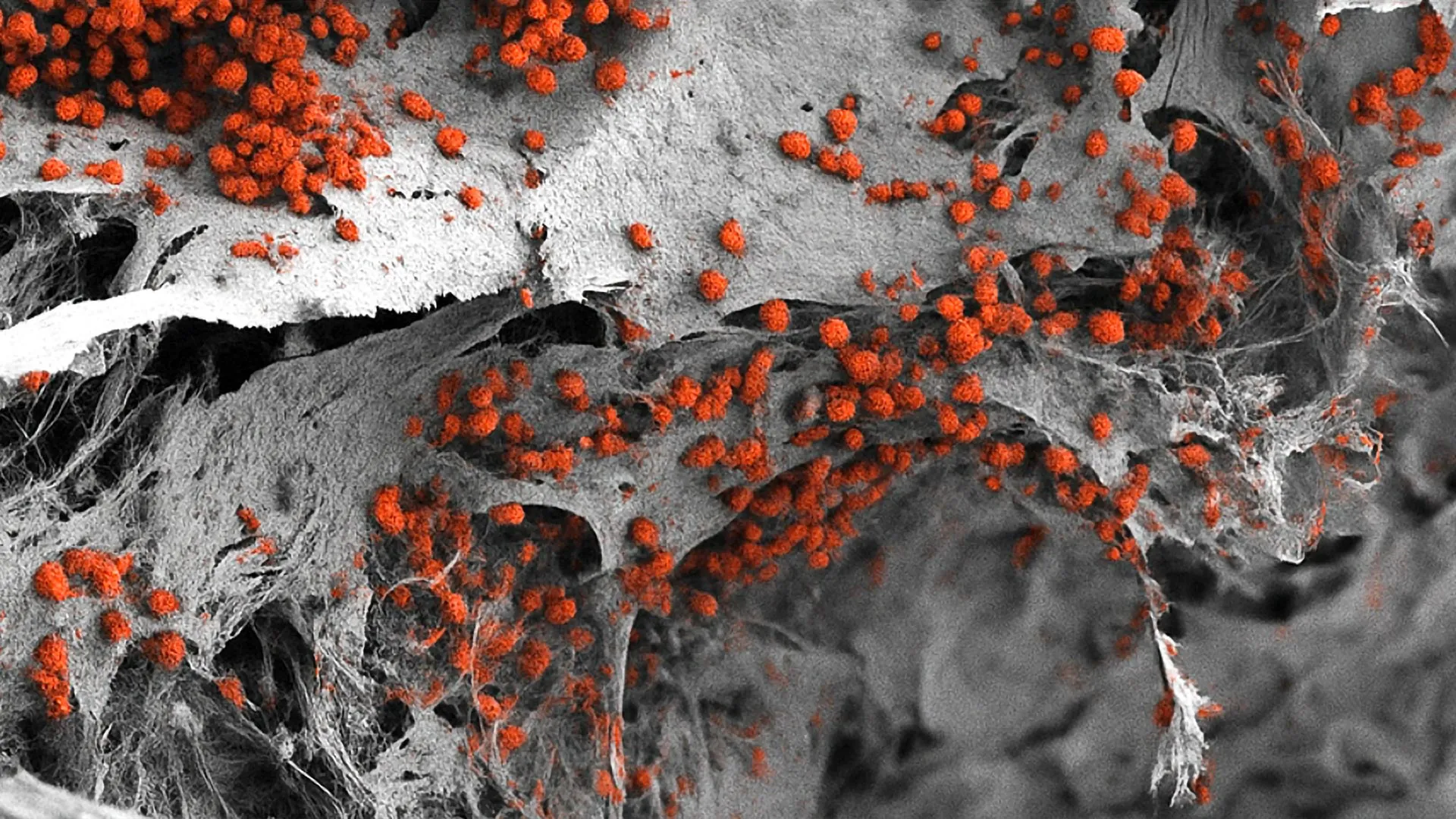
The endosteal niche is characterized by a dense network of blood vessels, mesenchymal stromal cells, and osteoblasts (bone-forming cells), all integrated with a complex nervous system. Replicating this in a lab required a masterclass in tissue engineering. Led by Professor Ivan Martin and Dr. Andrés García García, the team began with a synthetic scaffold made of hydroxyapatite. This mineral is the primary inorganic constituent of human bone and teeth, providing the necessary structural integrity and chemical cues for cell attachment.
Once the scaffold was prepared, the team introduced human induced pluripotent stem cells (iPSCs). These are adult cells that have been molecularly "reprogrammed" back into a primitive state, allowing them to transform into any cell type in the body. By carefully controlling the biochemical signals provided to these stem cells, the researchers guided them to differentiate into the various components of the bone marrow, including the stromal cells and the vascular networks required for a functional system.
A Chronology of Innovation in Bone Marrow Research
The journey toward this fully human model has been decades in the making. For much of the 20th century, hematology research was confined to looking at blood smears under a microscope or studying bone marrow biopsies, which provide only a static "snapshot" of a dynamic process.
In the 1990s and early 2000s, the advent of mouse models allowed researchers to see how blood formation occurred in a living organism. While mice share many genetic similarities with humans, their hematopoietic systems differ in key ways, particularly regarding how they respond to certain drugs and how their immune systems interact with malignant cells. This "translational gap" has often led to drug candidates that look promising in mice but fail in human clinical trials.
The 2010s saw the rise of "organ-on-a-chip" technology, where researchers tried to grow human cells on microfluidic devices. While these were an improvement over 2D Petri dishes, they lacked the structural depth and the multi-lineage complexity of the actual bone marrow. The Basel team’s work, which began several years ago, sought to bridge these gaps by creating a large-scale, 3D environment that could sustain human blood production for extended periods. Their final model, measuring eight millimeters in diameter and four millimeters in thickness, is significantly larger and more biologically complete than any previous iteration.
Technical Data and Validation
The success of the model was validated through rigorous analysis. The researchers demonstrated that the engineered tissue not only looked like human bone marrow but functioned like it too. Key data points from the study include:
- Niche Recapitulation: High-resolution imaging confirmed the presence of organized vascular structures and the successful integration of bone cells within the hydroxyapatite matrix.
- Longevity: The system was able to maintain the production of various blood cell lineages—including red blood cells and various white blood cells—for several weeks in a controlled laboratory environment.
- Scale: At 8mm x 4mm, the model provides a sufficient volume of tissue to allow for the study of spatial relationships between different cell types, a factor that is often lost in smaller models.
- Molecular Accuracy: Genetic sequencing of the cells within the model showed expression patterns that closely mirrored those found in natural human bone marrow biopsies, rather than the patterns seen in traditional lab cultures.
Impact on Cancer Research and Drug Development
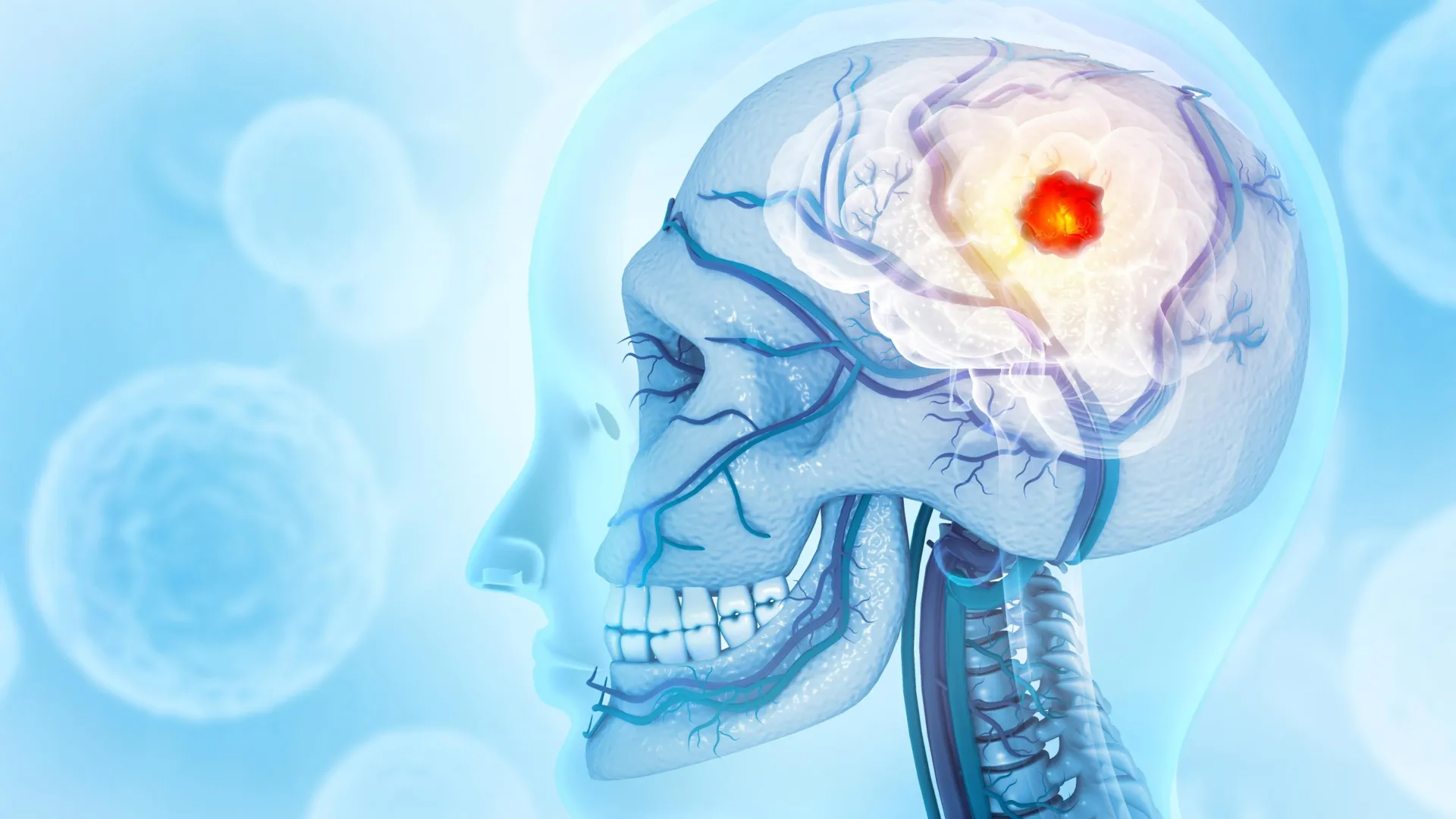
The implications for oncology are profound. Blood cancers like acute myeloid leukemia (AML) are notoriously difficult to treat because the "cancer stem cells" can retreat into the protective niches of the bone marrow, where they remain dormant and resistant to standard treatments. By having a realistic human model of these niches, researchers can now study exactly how cancer cells interact with their environment.
"Our model brings us closer to the biology of the human organism," noted Professor Ivan Martin. This proximity allows for the testing of "niche-disrupting" drugs—compounds designed to flush cancer cells out of their hiding spots so that chemotherapy can reach them. Furthermore, because the model is made entirely of human cells, the data derived from drug toxicity tests is likely to be far more accurate than data derived from animal studies, potentially saving millions of dollars in failed clinical trials.
The pharmaceutical industry has already expressed significant interest in such platforms. Currently, the "attrition rate" for new drugs—the percentage of drugs that fail during the transition from animal testing to human testing—is nearly 90%. A human-based bone marrow model could serve as a vital "filter," identifying toxic or ineffective compounds much earlier in the development cycle.
The Ethical Imperative: Reducing Animal Experimentation
Beyond the scientific and clinical benefits, the development of this model aligns with the global "3Rs" initiative: Replacement, Reduction, and Refinement of animal testing. Universities and research institutions worldwide are under increasing pressure from both the public and regulatory bodies to find alternatives to animal models.
The University of Basel has been a vocal proponent of these efforts. By creating a system that can complement or even replace certain mouse-based experiments, the researchers are providing a roadmap for ethical scientific advancement. While animal models will likely remain necessary for studying systemic interactions (such as how the brain interacts with the gut), specialized human models like this one can take over much of the heavy lifting in tissue-specific research.
Toward Personalized Medicine and Future Challenges
Looking ahead, the researchers envision a future where this technology is used for "personalized oncology." In this scenario, a patient diagnosed with a blood cancer would have their own cells used to create a "patient-specific" bone marrow model. Doctors could then test a variety of different drug combinations on that model to see which one is most effective for that specific individual’s cancer before the patient ever receives a dose. This would eliminate the "trial and error" approach that currently defines many cancer treatment regimens.
However, several hurdles remain before this becomes a standard clinical tool. Dr. Andrés García García pointed out that the current size of the model, while impressive for biological study, is actually a drawback for high-speed drug testing. "For this specific purpose, the size of our bone marrow model might be too large," he explained. To test thousands of drugs simultaneously, the system will need to be miniaturized into a "high-throughput" format, where hundreds of tiny bone marrow models can be grown on a single plate.
Additionally, while the model includes many cell types, it does not yet include every single component of the human system, such as a fully integrated lymphatic system or a complex immune response that involves distant organs like the spleen. Future iterations of the research will aim to incorporate these elements to create an even more holistic representation of human biology.
A Paradigm Shift in Hematology
The creation of the first fully human 3D bone marrow model marks a paradigm shift in how we approach the study of blood. By moving away from the limitations of animal biology and the simplicity of 2D cultures, the researchers at the University of Basel have opened a new window into the "quiet" world of our body’s blood factory.
As this technology matures, it promises to accelerate the discovery of life-saving treatments, provide a more ethical framework for biological research, and ultimately offer hope to patients facing the most challenging blood disorders. The study stands as a testament to the power of combining stem cell biology with advanced material science, proving that the best way to understand human life is to recreate it, cell by cell.











Leave a Reply