

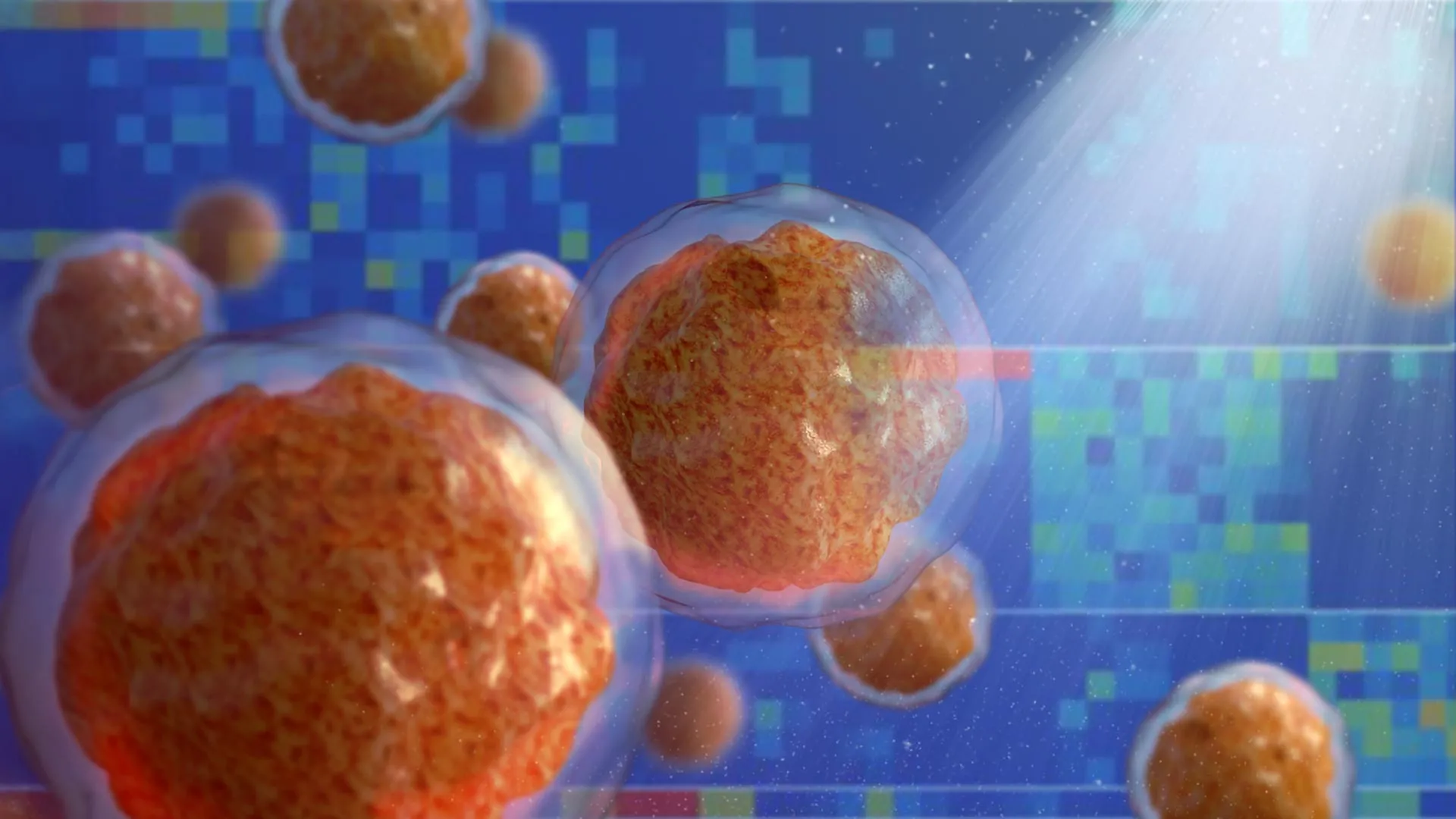
The human bone marrow functions as a biological powerhouse, a complex and tireless factory responsible for the generation of millions of fresh blood and immune cells every single second. This continuous process of renewal, essential for life and defense against disease, is governed by a delicate and highly regulated relationship between hematopoietic stem cells (HSCs), supportive stromal cells, and an intricate network of molecular signaling. However, as the human body ages, this equilibrium begins to falter. A groundbreaking international study has now revealed that the bone marrow microenvironment undergoes a profound inflammatory transformation long before the clinical onset of blood cancers, identifying a "feed-forward" loop of inflammation that may be the key to early intervention and prevention of leukemia.
The Silent Evolution of Clonal Hematopoiesis
For decades, hematologists have observed that the aging process renders the bone marrow increasingly vulnerable. Chronic inflammation, environmental stressors, and the natural accumulation of somatic mutations can disrupt the communication channels between cell populations. When these signals break down, the normal self-renewal of healthy stem cells is compromised, creating a vacuum that mutated HSCs are all too eager to fill. This phenomenon is known as clonal hematopoiesis of indeterminate potential, or CHIP.
Statistically, CHIP is a hallmark of human aging. Data suggests that the condition is present in approximately 10% to 20% of adults over the age of 60, with the prevalence soaring to nearly 30% in those over 80. While individuals with CHIP are typically asymptomatic and may remain so for years, the presence of these mutated clones is far from benign. Clinical tracking has shown that CHIP increases the risk of developing hematologic malignancies tenfold. Perhaps more surprisingly, it is also linked to a doubling in the likelihood of cardiovascular disease and a significant increase in all-cause early mortality.
When CHIP progresses, it often transitions into Myelodysplastic Syndrome (MDS). MDS represents a more severe stage of bone marrow failure where clonal HSCs dominate, leading to the production of malformed, ineffective blood cells. In the United States and Europe, MDS affects roughly 20 out of every 100,000 adults over the age of 70. The prognosis remains sobering: approximately 30% of MDS cases advance to acute myeloid leukemia (AML), an aggressive cancer characterized by the rapid growth of abnormal white blood cells that crowd out healthy cells, often leading to fatal outcomes.
Mapping the Microenvironment: A Multidimensional Analysis
Despite the clear progression from healthy aging to CHIP and eventually to MDS or AML, the specific role of the bone marrow microenvironment—the "niche" in which these cells live—has remained an area of intense scientific debate. To bridge this gap in knowledge, an international research consortium co-led by Judith Zaugg of the European Molecular Biology Laboratory (EMBL) and the University of Basel, and Borhane Guezguez from the University Medical Center (UMC) Mainz, embarked on one of the most comprehensive molecular and spatial analyses of human bone marrow to date.
The study utilized samples from the BoHemE cohort, a collaborative effort with Uwe Platzbecker at the National Center for Tumor Diseases (NCT) Dresden. The researchers employed a formidable arsenal of modern biotechnological tools, including single-cell RNA sequencing, high-resolution biopsy imaging, proteomics, and sophisticated co-culture models. By comparing samples from healthy donors, individuals with CHIP, and patients diagnosed with MDS, the team was able to construct a high-definition map of the bone marrow’s cellular architecture.
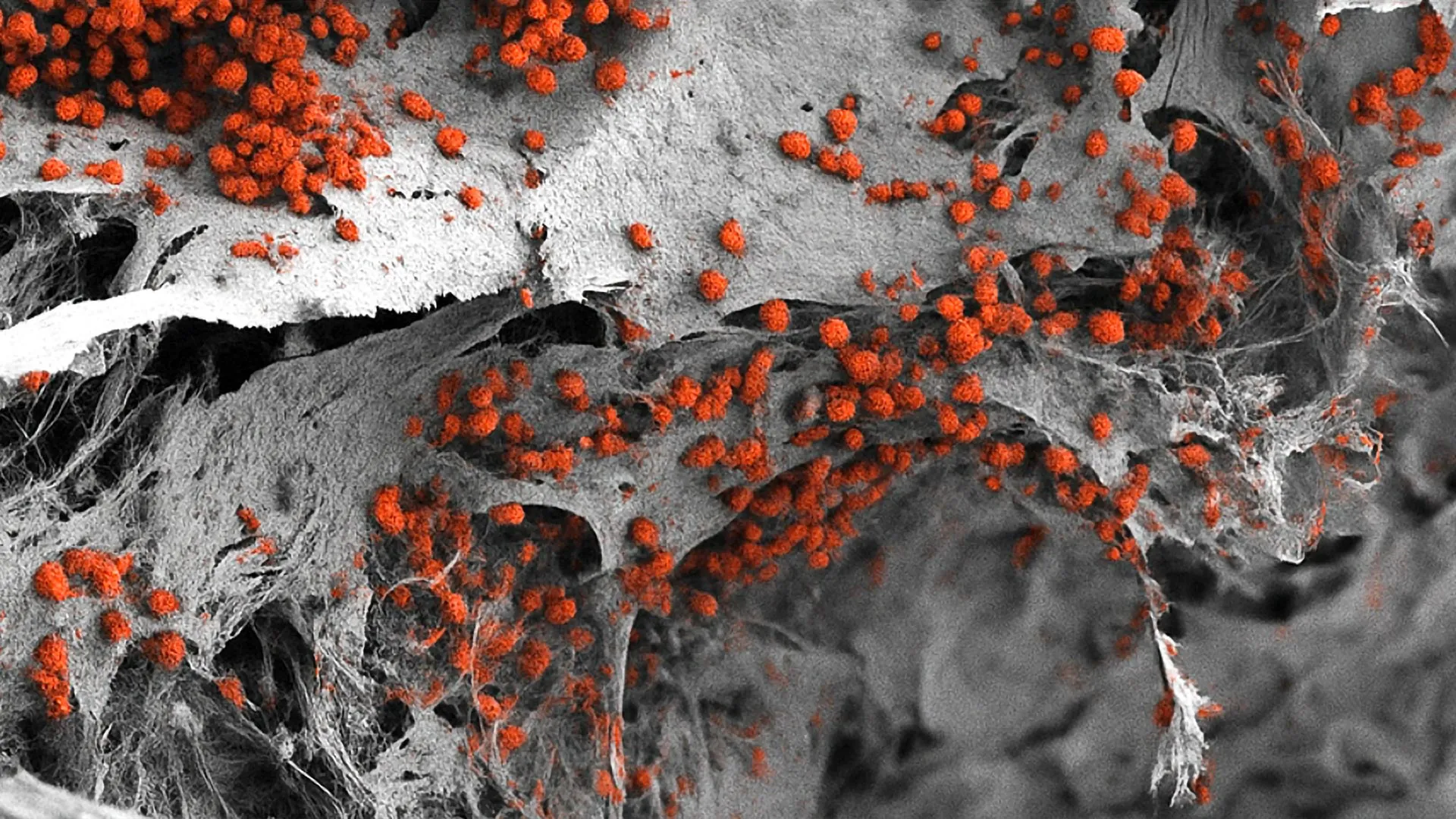
The analysis revealed a startling discovery: the bone marrow environment begins to remodel itself significantly before any clinical symptoms of disease appear. The researchers identified a specific shift in the stromal cell population. In healthy marrow, mesenchymal stromal cells (MSCs) provide the structural and chemical support necessary for healthy blood production. However, in the presence of aging and CHIP, these healthy MSCs are gradually replaced by a specialized population of inflammatory stromal cells, termed iMSCs.
"I was surprised to observe such pronounced remodeling of the bone marrow microenvironment already in individuals with CHIP," noted Professor Judith Zaugg, co-senior author of the study. This finding suggests that the "soil" of the bone marrow changes long before the "seeds" of cancer fully take root.
The Inflammatory Feed-Forward Loop
The functional difference between healthy MSCs and the newly identified iMSCs is profound. Unlike their supportive counterparts, iMSCs act as inflammatory hubs. They produce high concentrations of interferon-induced cytokines and chemokines—signaling proteins that act as distress calls for the immune system.
These molecules specifically attract and activate interferon-responsive T cells. Once these T cells enter the bone marrow niche, they do not resolve the issue; instead, they amplify it. The T cells release further inflammatory signals that stimulate more MSCs to transform into the inflammatory iMSC state. This creates a self-sustaining "feed-forward" loop of chronic inflammation.
This persistent inflammatory state has several catastrophic effects on bone marrow function:
- Disruption of Hematopoiesis: The chemical noise of the inflammation prevents stem cells from receiving the clear signals they need to produce balanced amounts of red cells, white cells, and platelets.
- Vascular Changes: The inflammation contributes to structural changes in the marrow’s blood vessels, further impairing the delivery of nutrients and the exit of mature blood cells.
- Signal Failure: One of the most critical findings involved the signaling molecule CXCL12. In a healthy environment, this protein acts as a "homing beacon," telling blood cells where to settle and grow. The study found that MDS stem cells are unable to trigger stromal cells to produce CXCL12, essentially leaving the stem cells "homeless" and unable to function within the marrow.
Decoupling Mutation from Inflammation
A pivotal question the researchers sought to answer was whether the mutated hematopoietic cells themselves were the primary cause of this inflammation. To investigate this, the team utilized "SpliceUp," a cutting-edge computational method developed by co-lead author Maksim Kholmatov.
SpliceUp allows researchers to distinguish between mutated and non-mutated cells within a single-cell dataset by identifying abnormal RNA-splicing patterns—a common signature of the mutations found in MDS. The results were unexpected: the inflammatory response in the bone marrow did not seem to be a direct reaction to the presence of mutated cells. Instead, the inflammatory network within the microenvironment appeared to develop as a parallel or even precursor process.
"It was quite surprising to see the lack of a direct inflammatory effect that we could attribute to the mutant cells," said Kholmatov. This suggests that the environment itself may be predisposed to inflammation through aging or other systemic factors, which then creates a "fertile ground" that allows mutated clones to expand and eventually dominate.
Implications for "Inflammaging" and Preventative Medicine
The findings of this study extend far beyond the realm of hematology. They provide a concrete cellular mechanism for "inflammaging"—the theory that low-level, systemic chronic inflammation is a primary driver of most age-related diseases. By demonstrating how the bone marrow serves as both a victim and a source of systemic inflammation, the research links blood disorders to a wider spectrum of conditions, including metabolic syndrome and cardiovascular decline.
From a clinical perspective, this research shifts the focus of treatment from the "cancer cells" to the "cancer ecosystem." Current treatments for MDS and leukemia often focus on eradicating the mutated clones through chemotherapy or targeted inhibitors. However, if the bone marrow niche remains inflammatory, it may simply facilitate the emergence of new mutations or prevent healthy transplanted cells from taking hold.
The study suggests several new therapeutic avenues:
- Early Intervention: For adults identified with CHIP through routine screening, anti-inflammatory drugs or therapies targeting interferon signaling could potentially "cool down" the bone marrow niche, preventing the transition to MDS.
- Biomarker Development: The specific molecular signatures of iMSCs and interferon-responsive T cells could serve as early warning signs, identifying which patients with CHIP are at the highest risk of progression.
- Improving Transplants: In cases of bone marrow transplantation, treating the "niche memory" of inflammation might be necessary to ensure that new, healthy donor stem cells can survive and function.
A New Framework for Leukemia Prevention
The research, published in Nature Communications, was released alongside a complementary study led by Marc Raaijmakers from the Erasmus MC Cancer Institute. Together, these papers provide a comprehensive view of how the bone marrow’s structural and immune components conspire to facilitate disease.
"Our findings reveal that the bone marrow microenvironment actively shapes the earliest stages of malignant evolution," concluded Borhane Guezguez of UMC Mainz. As molecular profiling becomes more common in clinical practice, the ability to detect pre-leukemic states years before they become life-threatening offers a "golden window" for intervention.
By moving toward a model of preventive hematology, where the microenvironment is managed as carefully as the genetic health of the cells themselves, the medical community may finally have the tools to intercept leukemia before it ever begins. The focus now turns to long-term clinical trials to determine if modulating the marrow’s "soil" can truly stop the growth of the "weeds" of clonal hematopoiesis.











Leave a Reply