The quest to unlock the biological mechanisms behind human longevity has led researchers to an unlikely source: the DNA of bats, unique mammals that exhibit life spans far exceeding what their body size would typically dictate. By conducting the first extensive genomic analysis of the genus Myotis, scientists have identified critical links between immune system efficacy, cancer resistance, and extended vitality. This research suggests that the evolutionary adaptations allowing bats to thrive for decades could hold the key to addressing human diseases associated with aging and viral infection.
The study, recently published in the journal Nature, represents a culmination of years of fieldwork and advanced computational analysis. The research team, led by Juan Manuel Vazquez—a former postdoctoral fellow at the University of California, Berkeley, and now a faculty member at Pennsylvania State University—sought to bridge the gap in our understanding of how certain species evade the typical physiological decline associated with aging.
A Chronology of Genomic Discovery
The journey began years ago when Vazquez, then a graduate student at the University of Chicago, realized that existing genomic data on bats was insufficient to answer fundamental questions about their longevity. Following his transition to UC Berkeley in 2020, he initiated a systematic effort to collect high-quality genomic material.
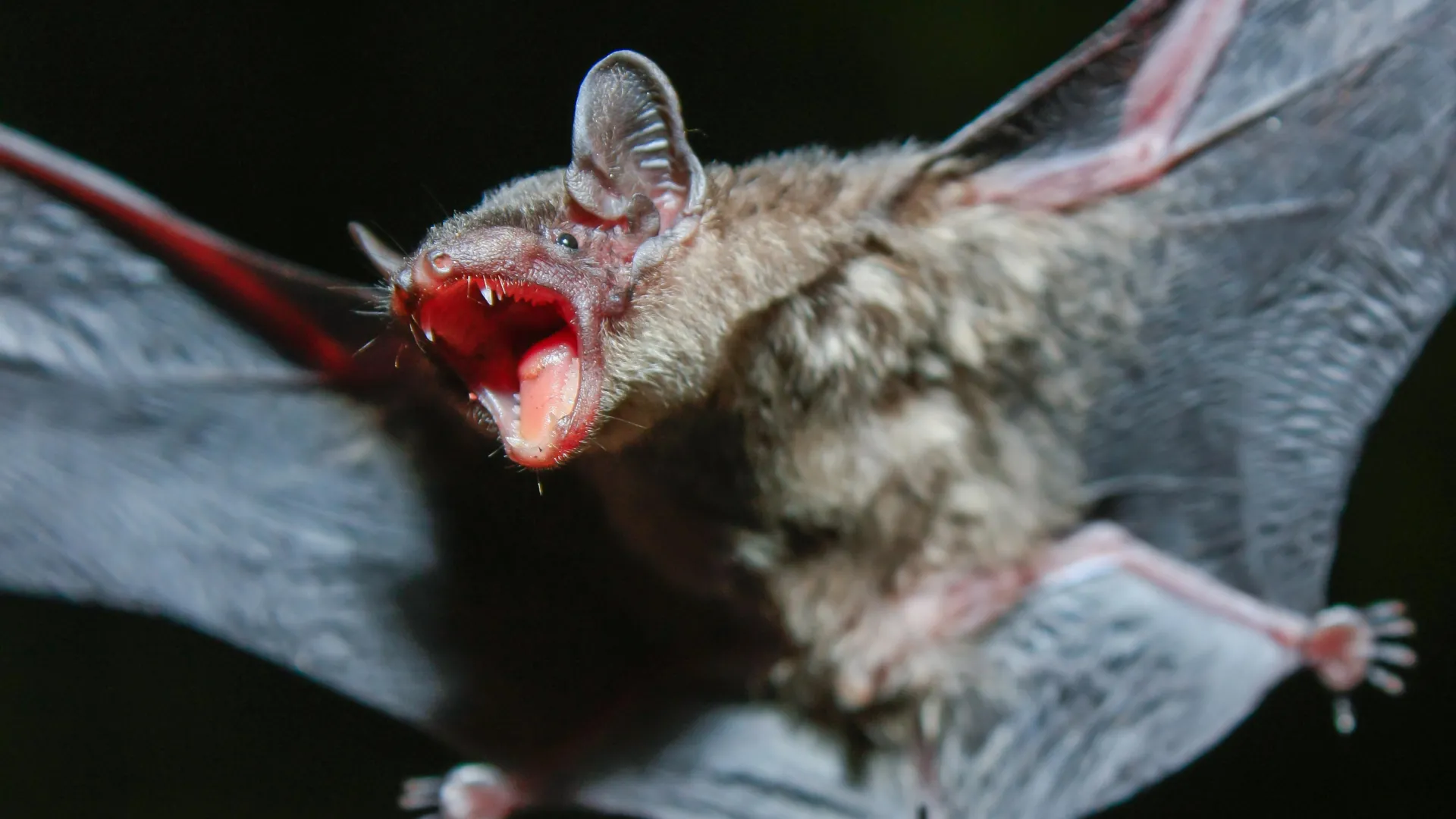
Between 2020 and 2023, the research team conducted intensive field expeditions across the Western United States. Using mist nets strategically placed over water sources—habitats frequented by bats during their nocturnal foraging—the team collected biopsy samples from various species, primarily within the genus Myotis. This genus was chosen for its remarkable diversity in lifespan; while some species like the black Myotis (Myotis nigricans) live for only seven years, others like the Brandt’s myotis (Myotis brandtii) have been recorded living for half a century.
Following the collection phase, the researchers utilized high-throughput DNA sequencing technologies to generate the first eight high-quality genomes for the Myotis genus. By comparing these genomes against one another and against other mammalian models, the team identified specific gene expression patterns that correlate with longevity.
Immune Function and Cellular Self-Destruction
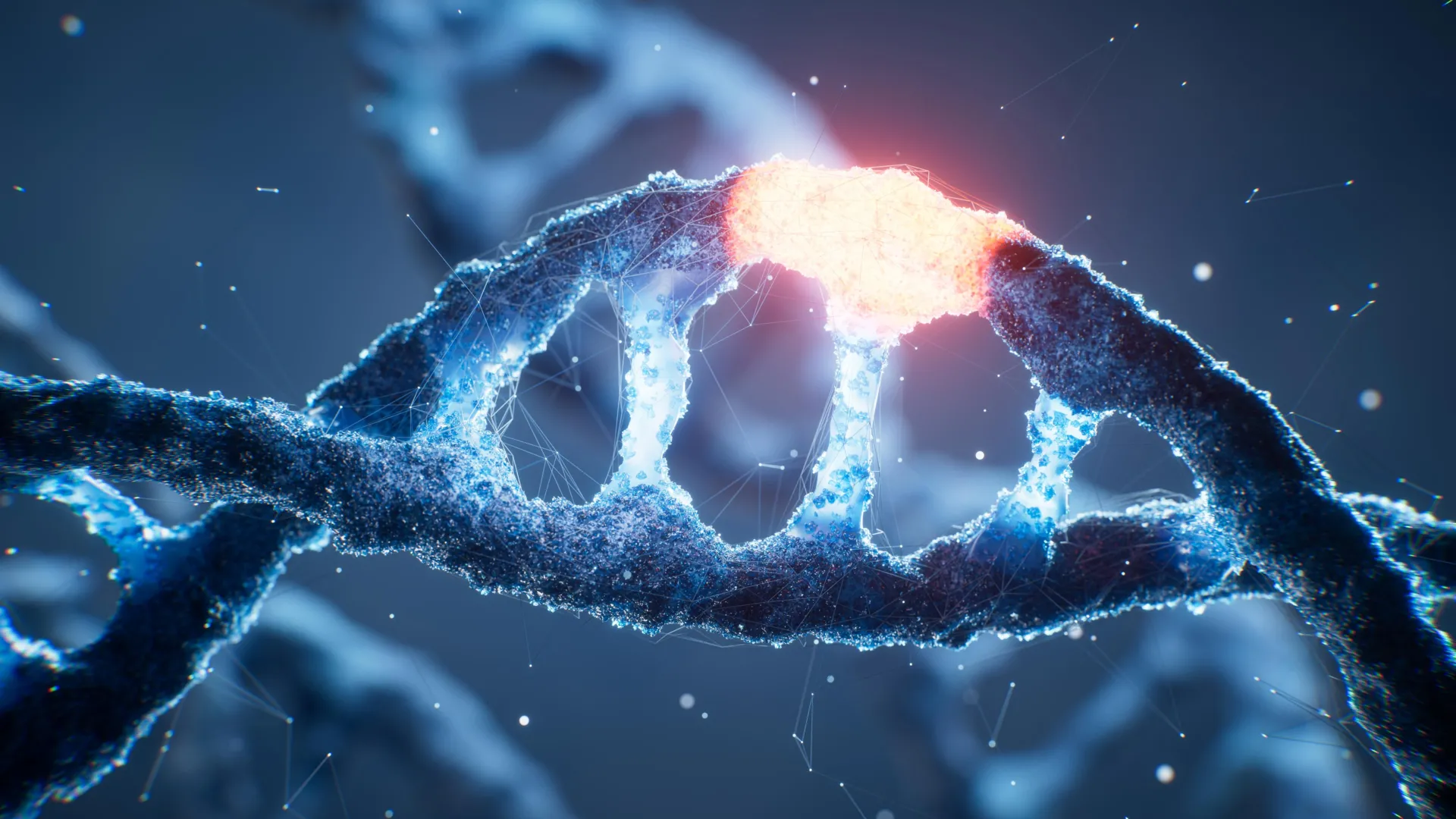
One of the most striking findings of the study involves the strategy bats employ to maintain cellular integrity. In laboratory settings, the team cultured cells from the wing biopsies of 32 different bat species, including the little brown bat (Myotis lucifugus), which is known for its impressive longevity. When exposed to toxic chemicals designed to induce severe DNA damage, the cells of these long-lived bats did not attempt to repair the damage—the standard response in many other mammals. Instead, they rapidly initiated programmed cell death, or apoptosis.
This "self-destruct" mechanism, which is also observed in elephants, acts as a rigorous quality control system. By eliminating cells that are compromised before they can become cancerous or dysfunctional, the bat effectively prevents the spread of genetic instability. This indicates that longevity in these species is not merely about repair, but about the high-stakes management of cellular health.
Comparative Biology: Why Bats Are Outliers
Bats comprise roughly 20% of all mammalian species, yet they remain one of the most enigmatic groups in biological science. Their success is attributed to their ability to occupy diverse ecological niches and their unique physiological adaptations to flight, which requires an intense metabolic output comparable to a human running multiple ultramarathons daily.
The study highlights a significant evolutionary trade-off: the immune systems of bats are permanently "on high alert." This hyper-vigilant state allows them to control inflammation and harbor viral infections that would be lethal to other mammals. However, this same resilience has made them significant reservoirs for zoonotic pathogens, including coronaviruses.
Dr. Peter Sudmant, an associate professor of integrative biology at UC Berkeley and a co-author of the study, notes that the interplay between DNA damage and immune response is the next frontier in longevity science. "By looking across the diversity of life, we find that nature has already solved many of the problems currently plaguing human health," Sudmant stated. The research suggests that longevity genes and immune-defense genes often overlap, implying that the mechanisms used to combat viruses and those used to prevent aging are two sides of the same coin.
Implications for Human Health and Medicine
The implications for human therapeutic development are profound. Current medical research often treats aging-related diseases—such as cancer and neurodegeneration—as distinct from infectious diseases. The genomic analysis of bats suggests that this compartmentalization may be hindering progress. If the immune system can be modulated to remain effective into old age, or if the cellular "self-destruct" protocols of the bat can be mimicked to prevent tumor growth in humans, the medical landscape could shift toward more preventative strategies.
Furthermore, the study sheds light on the evolutionary mismatch between humans and bats. Humans show a higher genetic selection for proteins that interact with RNA viruses, whereas bats show a specialized, large-scale genetic adaptation for proteins that interact with DNA viruses. This evolutionary divergence explains why cross-species viral transmission is so volatile; the "defensive language" of the bat immune system is fundamentally different from that of a human.
Future Research Directions
As the field moves forward, researchers are looking at the trade-offs inherent in these protective mechanisms. For instance, while producing proteins that attack viral genomes protects the organism, the host must also develop ways to prevent these same proteins from attacking its own DNA. Understanding how bats successfully navigate this "internal conflict" could provide insights into managing autoimmune disorders and chronic inflammation in human patients.
Vazquez is currently expanding his research at Pennsylvania State University, where he continues to utilize the library of 259 cell cultures representing 32 distinct species to map the genetic pathways of longevity. Meanwhile, Sudmant’s lab is focusing on primate cell cultures to identify homologous mechanisms in humans, aiming to bridge the gap between bat-specific findings and human clinical application.
Summary of Findings
The research, funded by the National Institutes of Health and the National Science Foundation, underscores a critical takeaway: longevity is not a singular trait but a complex, coordinated effort of the immune system and cellular maintenance pathways.
Key takeaways from the study include:
- Cancer Resistance: Longer-lived bats possess a higher density of genes associated with tumor suppression and immune response.
- The Apoptotic Strategy: Similar to elephants, long-lived bats prioritize the removal of damaged cells over DNA repair, effectively preventing systemic degradation.
- Immune Overlap: There is a statistically significant overlap between genes associated with longevity and those involved in viral interaction, suggesting a unified evolutionary strategy.
- Zoonotic Risk: The distinct evolutionary paths taken by human and bat immune systems—focusing on RNA versus DNA viral interactions, respectively—create a biological mismatch that complicates the control of zoonotic diseases.
As the global scientific community continues to grapple with the challenges of an aging population and the constant threat of emerging infectious diseases, the humble bat offers a blueprint for biological resilience. By deciphering these genetic sequences, scientists are moving closer to a future where the diseases of senescence may be treated with the same precision and efficiency that bats have evolved over the last 60 million years.