Scientists have uncovered compelling evidence suggesting that the microscopic life thriving within fish may play a far more significant role in shaping global ocean processes than previously understood. This groundbreaking research, spearheaded by former University of Miami graduate student Anthony Bonacolta, points to a sophisticated collaboration between marine fish and their gut bacteria in the production of calcium carbonate. This mineral is a cornerstone of ocean chemistry and a critical component of the planet’s intricate carbon cycle, prompting a reevaluation of how oceans regulate carbon storage and maintain their overall health.
Historically, the scientific community largely attributed the production of calcium carbonate in fish to the physiological mechanisms of the fish themselves. However, this new study introduces a paradigm shift, highlighting the indispensable role of symbiotic microbes residing within the fish intestine as active participants in this vital mineral formation. This symbiotic relationship between host and microbe opens new avenues for understanding marine ecosystems and their susceptibility to environmental changes.
The Symbiotic Dance: Fish and Their Microbial Allies
Bony fish, scientifically classified as teleosts, possess a unique biological imperative to ingest seawater to maintain their internal fluid balance and osmotic regulation. During this process, their bodies meticulously filter and process the ingested water. As a byproduct of this physiological necessity, excess calcium and carbonate ions, crucial building blocks for calcium carbonate, are extruded from the fish’s system. Traditionally, it was believed that the fish’s own cellular machinery orchestrated the precipitation of these ions into solid calcium carbonate pellets, known as ichthyocarbonates, which are then expelled.
However, the recent findings from Bonacolta’s research team challenge this long-held assumption. "This work suggests that the gut microbiome may play a broader role in both fish biology and global marine nutrient cycles," stated Martin Grosell, Maytag Professor of Ichthyology and chair of the Department of Marine Biology and Ecology at the University of Miami, and one of the study’s senior authors. "What was previously thought to be a process driven solely by the fish may actually reflect a close symbiosis between the fish and its gut microbial community." This implies that the biological functions of the fish are not isolated but are intricately interwoven with the metabolic activities of its resident microorganisms.
The implications of this discovery are profound, suggesting that the microbial communities within fish are not merely passive passengers but active contributors to a fundamental biogeochemical process that influences vast oceanic regions. The sheer abundance of fish in the world’s oceans, coupled with their constant interaction with seawater, positions them as significant agents in the marine carbon cycle. If their microbial partners are indeed integral to calcium carbonate production, then the collective impact of these symbiotic relationships could be substantial, influencing the ocean’s capacity to absorb atmospheric carbon dioxide and buffering against ocean acidification.
Experimental Design: Unraveling Salinity’s Influence
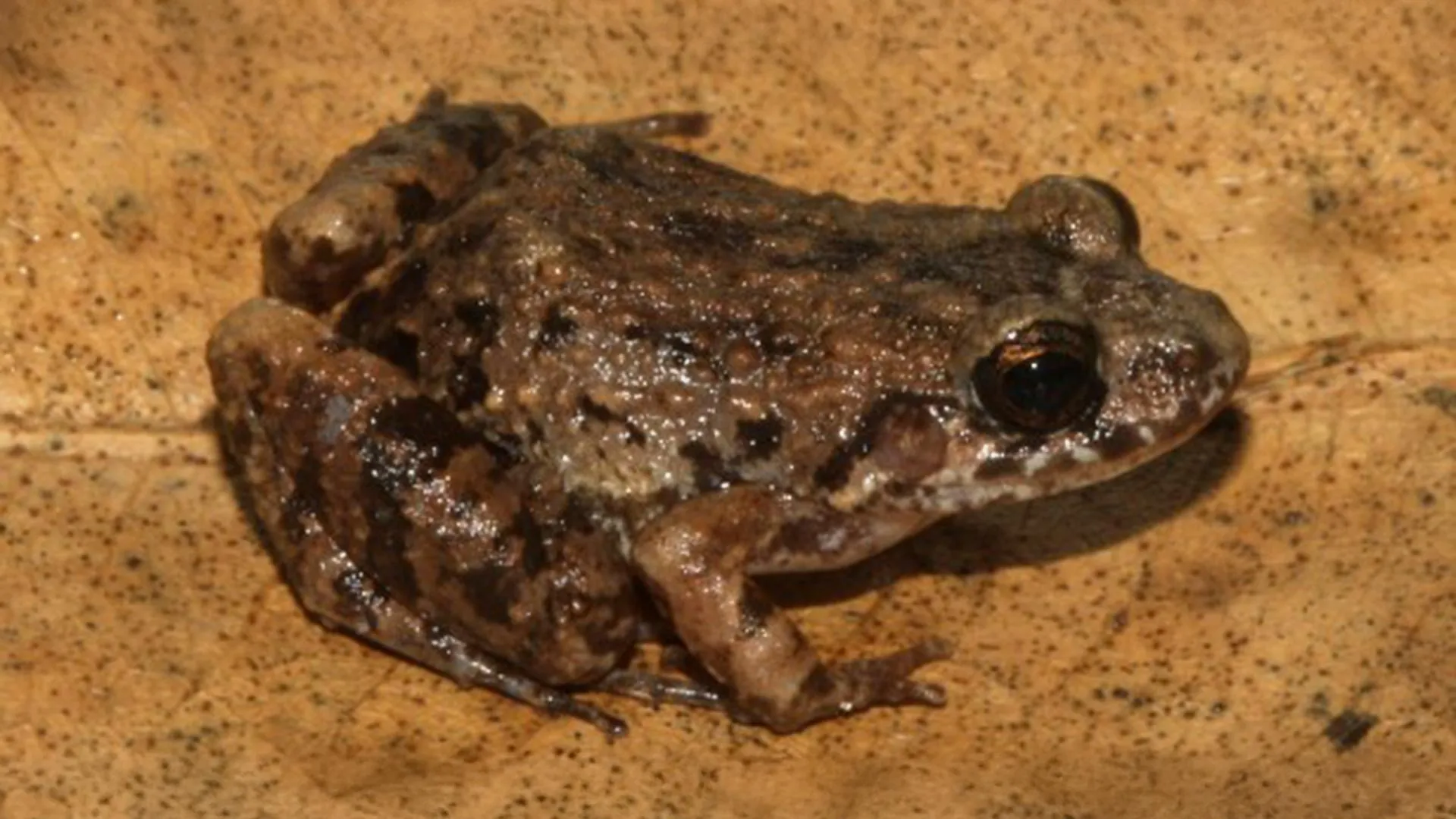
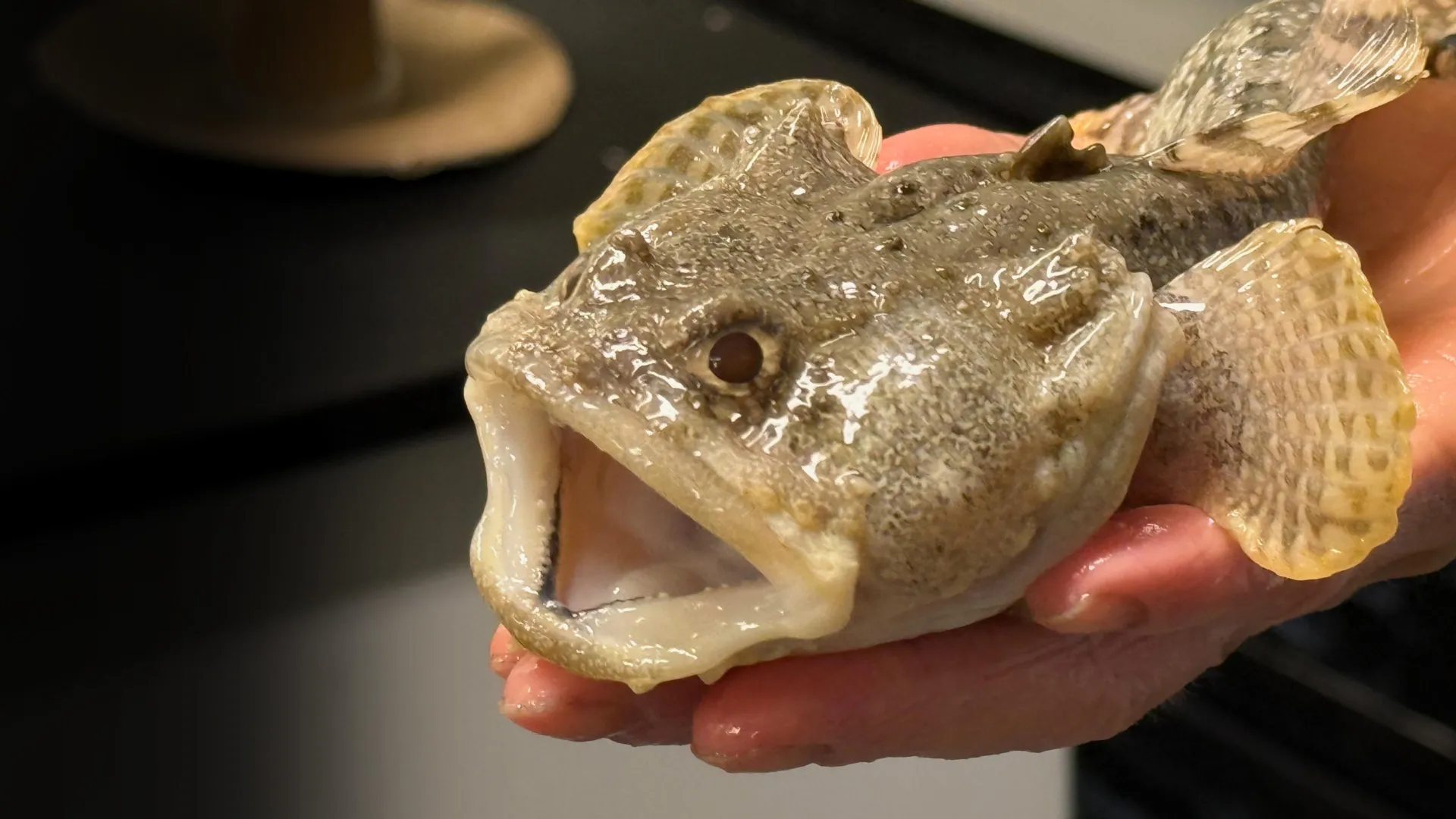
To rigorously investigate the proposed symbiotic role, the research team designed a series of controlled laboratory experiments. The focal point of their investigation was the Gulf toadfish (Opsanus tau), a species known for its resilience and adaptability to varying marine environments. These fish were subjected to a carefully calibrated range of salinity conditions, mimicking diverse marine habitats. Specifically, the toadfish were housed in three distinct environments: brackish water with a salinity of approximately 9 parts per thousand (ppt), standard seawater at 35 ppt, and a hypersaline environment reaching 60 ppt.
The rationale behind manipulating salinity was rooted in established knowledge of fish osmoregulation. It is well-documented that fish, particularly those inhabiting estuaries and coastal regions, must actively manage their internal salt and water balance in response to external salinity fluctuations. This physiological adjustment often involves the excretion of excess ions, a process that can directly impact the availability of calcium and carbonate for mineral precipitation. The researchers hypothesized that changes in salinity would directly correlate with ichthyocarbonate production, serving as a key indicator of the physiological stress and adaptive responses within the fish.
The experimental results provided clear and compelling data. In the low-salinity brackish water environment, the Gulf toadfish exhibited minimal to no production of ichthyocarbonates. This observation suggested that at lower salt concentrations, the fish’s osmoregulatory demands were less acute, and consequently, the precipitation of calcium carbonate was not significantly stimulated. However, when the fish were transitioned to standard seawater (35 ppt), ichthyocarbonate production commenced. More strikingly, in the hypersaline conditions (60 ppt), the rate of ichthyocarbonate production saw a marked and significant increase. This escalation in mineral excretion under increased salinity strongly indicated a direct link between the fish’s physiological state, driven by external salt concentrations, and its capacity to form calcium carbonate pellets.
Delving into the Fish Gut: Microbial Signatures of Production
The crucial next step for the researchers was to identify the direct involvement of microbes within the fish’s intestinal tract. Following the salinity experiments, the team meticulously collected samples from various sites within the fish’s digestive system. These samples included the expelled ichthyocarbonates themselves, segments of the fish intestine, and the surrounding water in each experimental tank. This comprehensive sampling strategy aimed to capture both the microbial communities residing within the fish and any potential microbial contributions to the expelled mineral.
The collected samples underwent sophisticated molecular analyses, specifically DNA and RNA sequencing. This dual approach allowed scientists to achieve two critical objectives. Firstly, DNA sequencing enabled the identification of the diverse microbial species present within the fish’s gut and on the ichthyocarbonates. By cataloging the genetic material, researchers could pinpoint the dominant bacterial populations and assess their abundance. Secondly, RNA analysis, through gene expression studies, provided insights into the active biological functions of both the fish and its associated microbes. This revealed which genes were being transcribed and, by extension, which metabolic pathways were actively engaged.
The genetic sequencing results yielded a remarkable finding: vibrios, a group of bacteria known for their diverse metabolic capabilities, were found to be exceptionally abundant. Within this group, a particular subspecies, Photobacterium damselae subsp. damselae, stood out, exhibiting high concentrations in both the intestinal tract of the fish and within the ichthyocarbonate pellets themselves. This co-localization strongly suggested a direct association between these bacteria and the mineral formation process.
Further analysis of the genetic data revealed that these abundant vibrios possessed genes encoding for enzymes and proteins directly implicated in metabolic pathways associated with calcium carbonate precipitation. This genetic evidence provided a strong functional link, indicating that these microbes were not merely present but were likely actively contributing to the formation of ichthyocarbonates. This was a pivotal moment in the research, shifting the understanding from a purely fish-driven process to a collaborative effort between host and microbe.
Broader Implications: Oceans, Carbon, and Microbial Dominance
The discovery of this fish-microbe symbiosis in calcium carbonate production carries significant implications for our understanding of ocean health and the global carbon cycle. It underscores the profound influence that microscopic organisms exert on large-scale Earth systems, often operating behind the scenes but with substantial cumulative effects.
"Most life on Earth is microbial, driving nutrient cycles and ecosystem function while revealing new dimensions of biological diversity through symbiosis," emphasized Grosell. "The ocean is especially rich in these partnerships, and the toadfish-vibrio symbiosis potentially linked to calcium carbonate production is a striking new example." This statement highlights a fundamental ecological principle: the ubiquity and essentiality of microbes in driving planetary processes.
Calcium carbonate plays a multifaceted role in the marine environment. It is a primary component of the shells and skeletons of many marine organisms, forming the base of coral reefs and contributing to the formation of vast carbonate sediments on the ocean floor. Furthermore, the formation and dissolution of calcium carbonate are intrinsically linked to the ocean’s capacity to absorb and store atmospheric carbon dioxide. As atmospheric CO2 levels rise, oceans absorb a significant portion, leading to ocean acidification. The processes involving calcium carbonate can either exacerbate or mitigate these effects.
The production of ichthyocarbonates by fish, now understood to be a collaborative microbial effort, contributes to the oceanic pool of calcium carbonate. This could have implications for the buffering capacity of seawater against acidification. By precipitating calcium and carbonate ions from seawater, fish are essentially removing these components from the water column, which can influence the saturation state of carbonate minerals and potentially affect the calcification rates of other marine organisms, such as corals and shellfish.
Moreover, the study sheds light on the intricate connections between marine animals, their resident microbiomes, and the global biogeochemical cycles that regulate ocean chemistry. It suggests that disruptions to these microbial communities, perhaps due to environmental stressors like pollution, climate change, or changes in diet, could have cascading effects on ocean processes. For instance, if the abundance or activity of these key vibrio species is diminished, it could lead to a reduction in ichthyocarbonate production, potentially altering local ocean chemistry or impacting the broader marine carbon cycle.
This research also opens new avenues for investigating the diversity of such symbiotic relationships across the vast array of marine fish species. If this mechanism is widespread, the collective contribution of fish microbiomes to oceanic calcium carbonate budgets could be substantial, potentially influencing the global carbon cycle in ways yet to be fully quantified. Future research endeavors will likely focus on identifying other fish-microbe partnerships involved in mineral formation and assessing their quantitative impact on ocean chemistry and carbon sequestration.
The findings, supported by start-up funds from the University of Miami and by Project PID2023-152522NB-I00 financed by the Ministry of Science, Innovation, and Universities in Spain, represent a significant step forward in marine biology and biogeochemistry. They emphasize the need for a holistic approach to studying marine ecosystems, one that fully integrates the roles of both macroorganisms and their microscopic inhabitants in shaping the health and functioning of our planet’s oceans. The subtle yet powerful partnership between fish and their microbial allies is now recognized as a vital, previously overlooked, force in the grand symphony of marine life and global environmental regulation.