Acute myelogenous leukemia (AML) remains one of the most formidable hematological malignancies in modern oncology. Despite incremental advances in supportive care and targeted therapies, the median survival time following a formal diagnosis languishes at a dismal 8.5 months. This aggressive cancer of the blood and bone marrow is characterized by rapid proliferation and a profound failure of cellular maturation. However, a groundbreaking preclinical study published in the current issue of Nature by an international team of researchers—co-led by Ludwig Oxford scientists Yang Shi and Amir Hosseini, alongside Abhinav Dhall of Harvard Medical School, and academic partners at the University of Pennsylvania and the University of Helsinki—has identified a novel therapeutic strategy that could fundamentally change the treatment landscape for multiple AML subtypes.
By combining two distinct pharmacological agents that target the underlying genetic mechanisms responsible for cellular arrest, the research team successfully induced myeloid cell differentiation and halted cancer cell proliferation in preclinical models. This dual-action approach not only paves the way for urgently needed clinical trials but also offers a renewed sense of optimism for patients fighting a disease that has historically defied standard chemotherapeutic interventions.
The Mechanistic Crisis of AML: Understanding the Differentiation Block
To comprehend the significance of the new therapeutic strategy, one must examine the fundamental pathology of acute myelogenous leukemia. Although AML is recognized as a genetically heterogeneous disease—encompassing a wide array of distinct mutations and chromosomal abnormalities across different patients—all of its subtypes share a defining pathophysiological hallmark: the impaired differentiation of myeloid progenitor cells residing within the bone marrow.
In a healthy hematopoietic system, multipotent stem cells in the bone marrow steadily give rise to specialized blood cells, including red blood cells, platelets, and various white blood cells, through a tightly regulated maturation pathway. In the context of AML, this developmental pipeline is severely disrupted. A developmental blockade halts myeloid precursors at an immature stage, preventing them from maturing into functional blood cells.
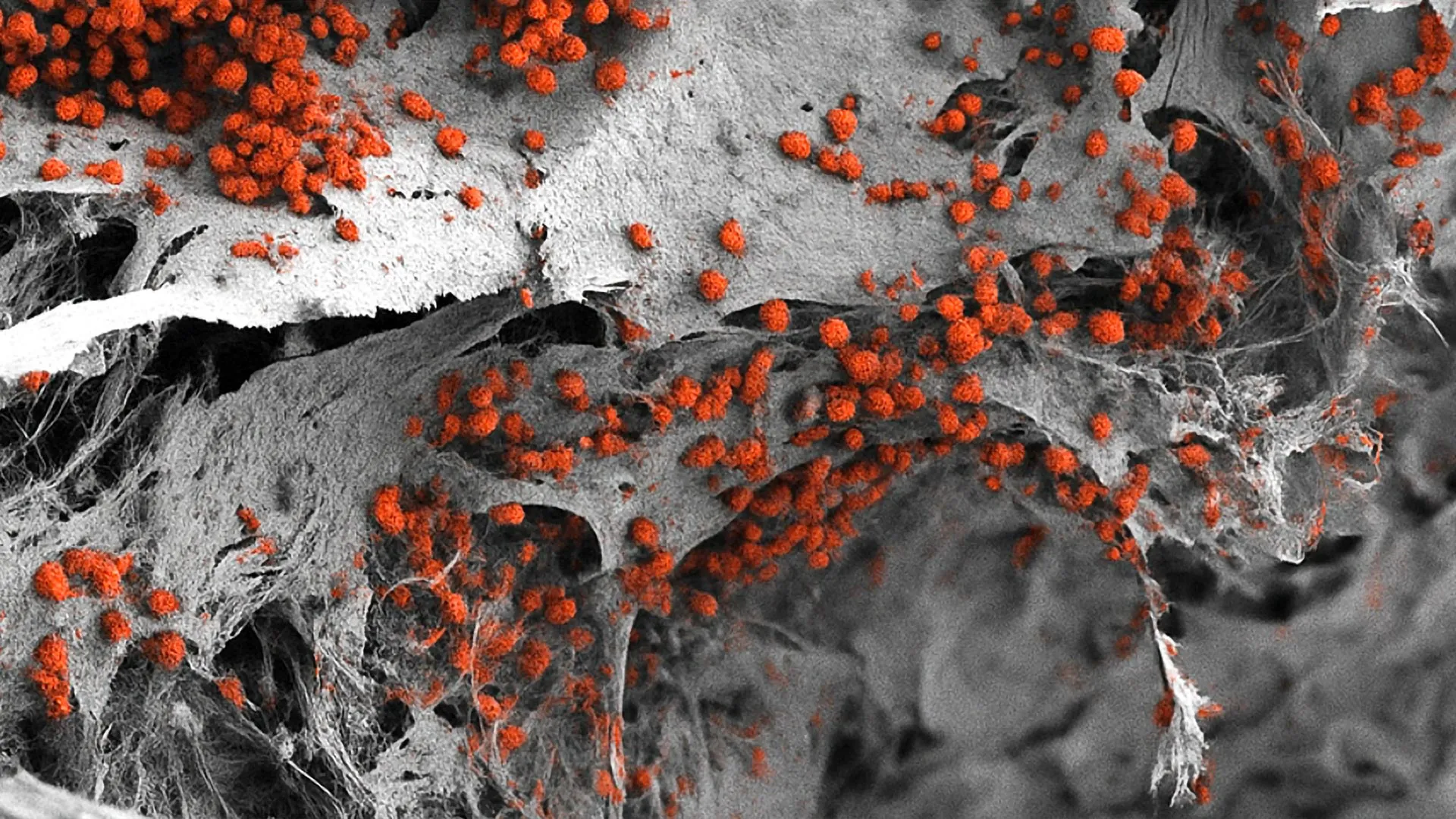
Consequently, these immature precursors, often referred to as blasts, accumulate uncontrollably within the bone marrow and spill over into the peripheral circulation. This massive buildup crowds out healthy blood-producing cells, leading to severe complications such as anemia, frequent infections, and uncontrollable bleeding. Furthermore, the persistent accumulation of these dysfunctional cells impairs essential biological processes and compromises the body’s entire hematopoietic system.
For decades, the inability of these cellular precursors to undergo normal differentiation has pointed researchers toward a specific therapeutic philosophy: rather than attempting solely to destroy rapidly dividing cancer cells through conventional cytotoxic chemotherapy—which often inflicts severe collateral damage on healthy tissues—doctors could potentially force the malignant cells to resume their normal developmental program.
Historical Precedent: The Success and Limitations of Differentiation Therapy
The concept of forcing cancer cells to mature is not entirely unprecedented in leukemia treatment. A striking historical example is found in the management of acute promyelocytic leukemia (APL), a specific and once-feared subtype of AML.
Decades ago, medical researchers discovered that combining all-trans retinoic acid (ATRA), a derivative of vitamin A, with arsenic trioxide could effectively push APL cells past their developmental blockade, forcing them to differentiate into mature, harmless cells that eventually die off naturally. This revolutionary dual-drug regimen transformed APL from one of the most rapidly fatal forms of leukemia into one of the most curable cancers in modern medicine, achieving cure rates of approximately 95 percent.
Despite this monumental success, the therapeutic mechanisms that render APL uniquely vulnerable to ATRA and arsenic trioxide have not translated effectively to other, more common subtypes of AML. Clinicians and researchers have spent decades searching for analogous differentiation-inducing strategies for non-APL forms of the disease, encountering significant biological roadblocks along the way. The identification of a broadly applicable differentiation therapy has thus remained one of the holy grails of leukemia research.
Epigenetic Dysregulation and the Discovery of LSD1
The new study from Ludwig Cancer Research centers on the dysregulated gene expression programs that drive leukemic stem cells to maintain their immature, highly proliferative state. These abnormal programs are frequently governed by epigenetic enzymes—proteins that chemically modify DNA and the histone proteins around which DNA is wrapped, thereby controlling which genes are turned on or off without altering the underlying genetic sequence.
One critical epigenetic regulator in AML is Lysine-Specific Demethylase 1 (LSD1), an enzyme discovered in 2004 by Dr. Yang Shi and his colleagues. LSD1 functions by erasing methyl groups attached to histone proteins, a process that can repress the transcription of genes essential for cellular differentiation. In many AML subtypes, LSD1 is expressed at abnormally high levels, where it actively maintains the stem-like traits and survival of leukemic cells.
Recognizing the potential of targeting this enzyme, pharmaceutical companies and academic laboratories developed various LSD1 inhibitors designed to block its demethylase activity and reactivate differentiation pathways. However, clinical translation has proven exceptionally difficult.
"While LSD1 inhibitors have been developed and shown to induce differentiation in AML stem cells, they’ve had limited success in clinical studies owing to their toxicity when used alone," explained Dr. Amir Hosseini, co-lead author of the study.
When administered as monotherapies at doses high enough to achieve meaningful biological effects, LSD1 inhibitors frequently induce severe adverse side effects, particularly profound thrombocytopenia (dangerously low platelet counts) and other hematological toxicities. This narrow therapeutic window severely limited their clinical utility, prompting the research team to seek a safer, combinatorial approach that could lower the required dose of the LSD1 inhibitor while maintaining or enhancing its therapeutic efficacy.
A Synergistic Breakthrough: Combining LSD1 and GSK3 Inhibitors
To overcome the toxicity hurdle associated with high-dose LSD1 inhibition, Hosseini, Shi, and their international collaborative network designed a systematic screening initiative. Utilizing murine (mouse) leukemic cells, the team screened numerous small molecules to identify candidates that could act synergistically with an LSD1 inhibitor.
The goal was to find a compound that, when paired with a low dose of an LSD1 inhibitor, would achieve a two-pronged attack on the cancer: simultaneously activating genes required for cellular differentiation while suppressing genes that drive cell proliferation and tumor growth.
After extensive screening, the researchers identified an inhibitor targeting the Glycogen Synthase Kinase 3 alpha and beta (GSK3$alpha/beta$) enzymes. Notably, GSK3 inhibitors were already undergoing independent clinical evaluations as potential cancer therapeutics and had demonstrated a favorable safety profile and good tolerability among human patients.
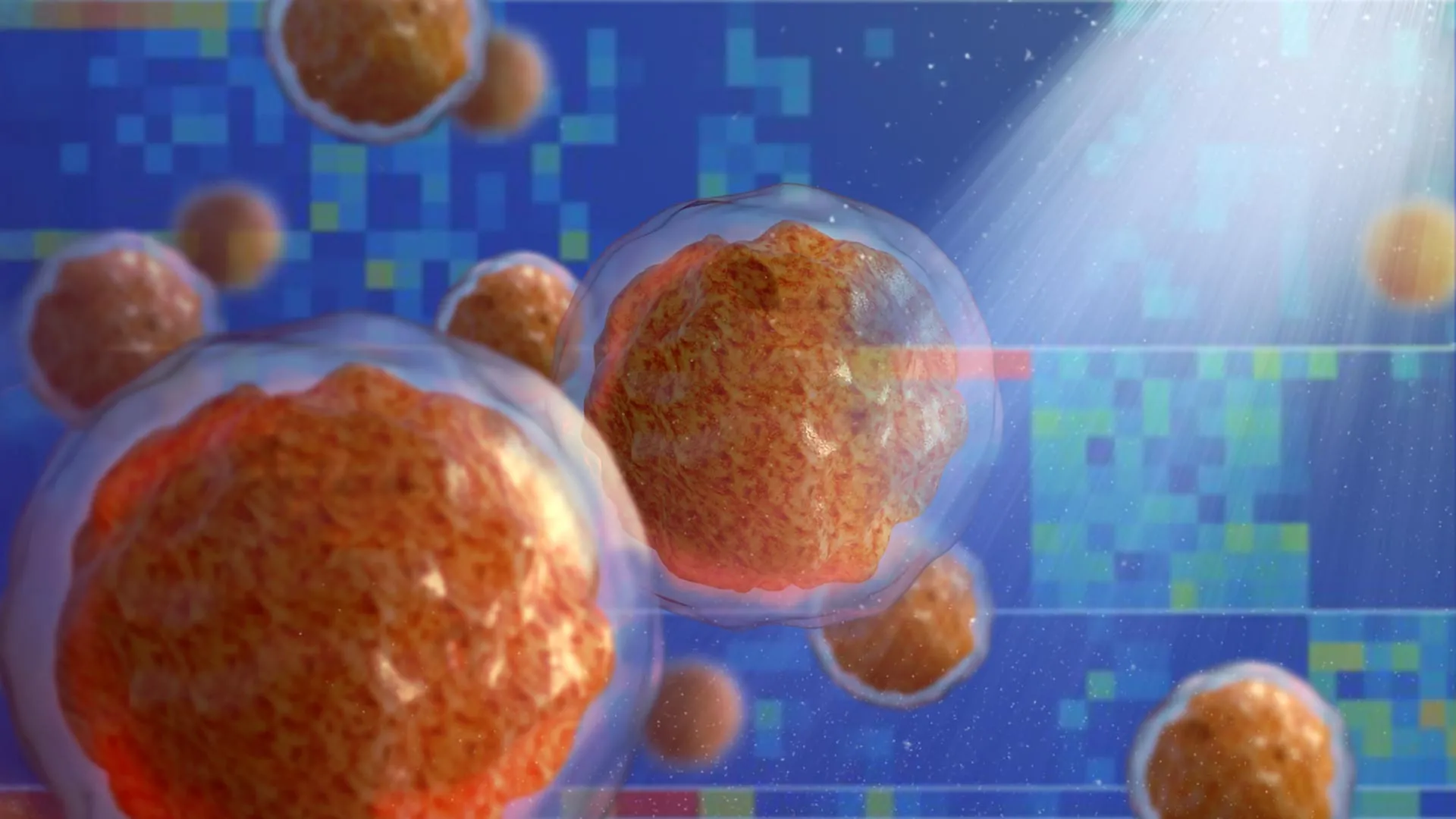
When the researchers combined a low dose of the LSD1 inhibitor with the GSK3 inhibitor, the results in laboratory cultures were striking. The combination therapy successfully induced terminal differentiation across multiple distinct subtypes of AML while aggressively suppressing the proliferation of cancer cells.
"The drug combination we have identified works by activating genes that drive cell differentiation while suppressing genes that promote cell proliferation and cancer growth," Dr. Shi noted.
Preclinical Validation and Patient Survival Correlations
Moving beyond in vitro cell cultures, the research team tested the dual-drug regimen in rigorous in vivo models. They engrafted mice with human AML cells and administered the combination therapy to evaluate its therapeutic potential in a living organism.
The results demonstrated that the treatment effectively drove leukemic cells to differentiate, inhibited their continuous proliferation, and significantly extended the overall survival of the engrafted mice. Furthermore, pharmacokinetic and pharmacodynamic analyses revealed a crucial safety advantage: the drug combination selectively targeted leukemic cells while largely sparing healthy hematopoietic progenitor cells. This selective targeting substantially reduces the risk of bone marrow toxicity and other adverse systemic side effects that typically plague conventional chemotherapy and high-dose monotherapies.
To further validate the clinical relevance of their findings, the researchers compared the gene expression signatures induced by the drug combination with clinical data from human AML patients. They observed a striking correlation: the molecular profile generated by the therapy closely matched the gene expression signature found in the cancer cells of AML patients who experience relatively longer survival times.
"We are also encouraged by the observation that the gene expression signature induced in leukemic cells by this combination therapy correlates with that observed in the cancer cells of AML patients who live relatively longer," Dr. Hosseini stated.
Unraveling the Molecular Mechanisms and Broader Implications
Beyond the immediate findings in AML, the study provides a deep molecular blueprint detailing how the combination therapy rewires intracellular gene-expression networks. By simultaneously inhibiting LSD1 and GSK3$alpha/beta$, the treatment systematically dismantles the stem-cell-like characteristics that drive leukemic self-renewal and progression, while forcefully steering the cells toward a mature, non-dividing state.
Researchers believe these mechanistic insights extend far beyond acute myelogenous leukemia. The WNT signaling pathway, which is heavily modulated by GSK3 enzymes, is known to be overactivated in a wide range of human cancers, including colorectal cancer, breast cancer, and various gliolas. Consequently, the therapeutic strategies uncovered in this study could potentially be adapted to treat other malignancies driven by aberrant WNT signaling and cellular differentiation blocks.
The immediate translational path for this discovery, however, remains focused on AML. Because both the LSD1 inhibitors and the GSK3 inhibitors utilized in the study are already developed, available, and undergoing separate clinical evaluations for human use, the barrier to initiating clinical trials for the combination therapy is significantly lower than for entirely novel chemical entities.
"Our findings provide compelling evidence to support the testing of this combination therapy in AML patients, especially since both of the inhibitors involved are not only available but have been developed for human use and are currently being evaluated in the clinical trials," Dr. Shi emphasized.
Collaborative Support and Future Outlook
The comprehensive study was made possible through the concerted efforts of multiple research institutions and funding bodies. Financial and logistical support was provided by Ludwig Cancer Research, the National Institutes of Health (NIH), the Research Council of Finland, the Cancer Foundation Finland, the Sigrid Jusélius Foundation, the National Institute for Health Research (NIHR), the Oxford Biomedical Research Centre, and Cancer Research UK.
As the scientific community digests these findings, preparations are underway to design early-phase clinical trials to test the safety and efficacy of the LSD1 and GSK3 inhibitor combination in humans. While preclinical successes do not always translate seamlessly into human clinical outcomes, the dual-mechanism approach offers a scientifically sound, mechanistically robust strategy that addresses the core pathological defect of AML.
For the thousands of patients diagnosed each year with this aggressive malignancy—where the current median survival of 8.5 months underscores an urgent, unmet medical need—this novel combination therapy represents a beacon of scientific progress and a tangible step toward transforming the prognosis of a devastating disease.