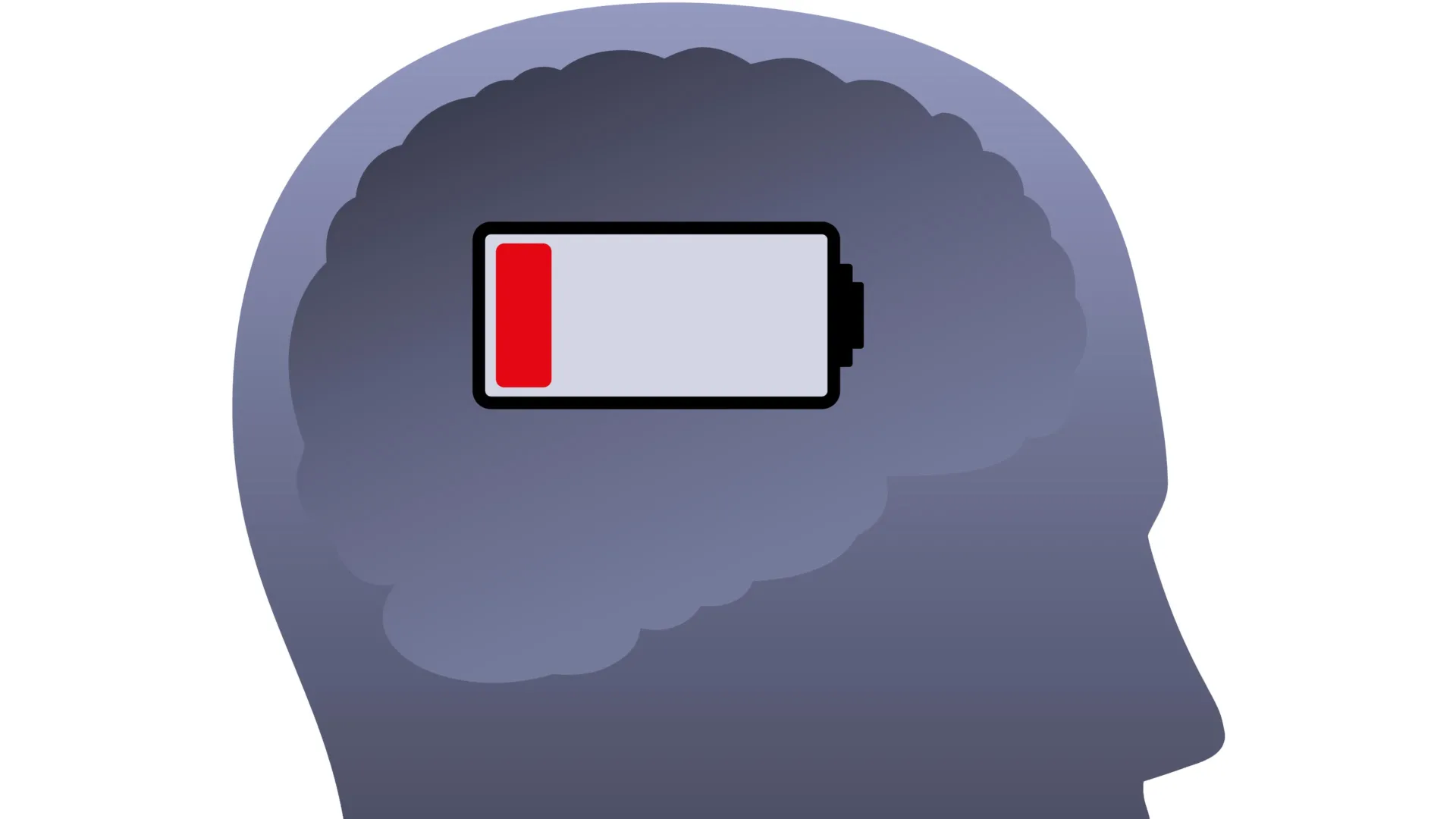
The global healthcare landscape is currently grappling with two escalating crises: the rise of metabolic disorders and the increasing prevalence of neurodegenerative diseases. For decades, diabetes and dementia were treated as distinct medical challenges, managed by different specialists and addressed through separate public health initiatives. However, a robust and growing body of clinical evidence now suggests that these two conditions are deeply, and perhaps inextricably, linked. Recent research into the relationship between blood sugar regulation and cognitive function has revealed that the physiological mechanisms driving type 2 diabetes may also be the primary catalysts for Alzheimer’s disease and other forms of cognitive decline.
The Statistical Reality of the Diabetes-Dementia Connection
Current epidemiological data paints a sobering picture of the intersection between metabolic and neurological health. Clinical studies have established that individuals diagnosed with diabetes are approximately 60% more likely to develop dementia than those with normal blood glucose levels. This correlation is not limited to long-term high blood sugar; the volatility of glucose levels also plays a critical role. Frequent episodes of hypoglycemia—low blood sugar—are associated with a 50% higher risk of cognitive decline. This suggests that the brain requires a precise and stable environment to function, and any deviation toward either extreme of the glycemic spectrum can have neurotoxic effects.
As the global population of people living with diabetes surpasses 500 million, and the number of individuals with dementia is expected to reach 150 million by 2050, the medical community is shifting its focus toward preventative strategies that target both conditions simultaneously. The economic and social burden of these twin epidemics has prompted a re-evaluation of how we categorize "brain health" versus "metabolic health."
The Emergence of Type 3 Diabetes
One of the most significant conceptual shifts in modern neurology is the unofficial classification of Alzheimer’s disease as "type 3 diabetes." This term reflects the discovery that the brain, like the rest of the body, can develop insulin resistance. While insulin is traditionally associated with the liver and muscles, it is also a vital neuroprotective hormone. In a healthy brain, insulin facilitates the uptake of glucose, which is the primary fuel source for neurons.
Although the brain accounts for only 2% of total body weight, it consumes roughly 20% of the body’s energy. When brain cells stop responding effectively to insulin, they lose their ability to process glucose efficiently. This "energy crisis" within the brain leads to synaptic dysfunction and the eventual death of neurons. In patients with Alzheimer’s, researchers have observed a marked decrease in the brain’s ability to utilize glucose, creating a state of chronic starvation for vital cognitive centers. This metabolic failure often precedes the physical accumulation of amyloid plaques and tau tangles, suggesting that metabolic dysfunction may be an early driver of the disease rather than a late-stage symptom.
A Bidirectional Relationship: How Alzheimer’s Impacts Glucose
The relationship between these conditions is not a one-way street. Evidence suggests that Alzheimer’s disease can actively contribute to the development of pre-diabetes and diabetes. Patients with Alzheimer’s often exhibit higher fasting blood glucose levels, even in the absence of a prior diabetes diagnosis. Animal models have further demonstrated that Alzheimer’s-like changes in the brain can trigger systemic spikes in blood glucose, creating a feedback loop where brain decay worsens metabolic health, which in turn accelerates cognitive decline.
Genetics also play a pivotal role in this intersection. The APOE4 genetic variant, recognized as the strongest genetic risk factor for late-onset Alzheimer’s, has been found to impair insulin signaling. Specifically, APOE4 can "trap" insulin receptors inside the cell, preventing them from moving to the cell surface where they would normally interact with insulin. This molecular malfunction effectively renders the brain insulin-resistant at a genetic level, providing a clear biological link between a person’s genetic blueprint and their metabolic-cognitive risk.
Vascular Integrity and the Blood-Brain Barrier
Beyond the cellular level, the link between diabetes and dementia is mediated by the vascular system. Diabetes is notorious for damaging small and large blood vessels throughout the body, leading to complications in the kidneys, eyes, and heart. The brain’s intricate network of capillaries is equally vulnerable. Chronic hyperglycemia (high blood sugar) causes inflammation and oxidative stress, which injure cerebral blood vessels and reduce the delivery of oxygen and nutrients to brain tissue.
Furthermore, diabetes has been shown to weaken the blood-brain barrier (BBB), the highly selective semipermeable border that protects the brain from circulating toxins and pathogens. When the BBB is compromised, harmful substances can leak into the brain, triggering a chronic inflammatory response known as neuroinflammation. This inflammation is a hallmark of dementia and is believed to accelerate the progression of neurodegenerative damage. The combination of reduced blood flow (vascular dementia) and neuroinflammation creates a "perfect storm" for cognitive impairment.
The Chronology of Pharmaceutical Cross-Pollination
The history of medical research provides fascinating examples of how diabetes treatments have transitioned into the realm of neurology. A primary example is Memantine, a drug currently used to treat moderate to severe Alzheimer’s symptoms. Originally developed in the 1960s as a potential glucose-lowering medication for diabetes, it failed to meet its primary endpoints in metabolic trials. However, researchers later discovered its ability to regulate glutamate—a neurotransmitter that, when overproduced, can damage neurons. Today, Memantine is a cornerstone of Alzheimer’s therapy, illustrating the long-standing, if previously misunderstood, connection between the two fields.

In the 21st century, the focus has shifted toward repurposing modern diabetes medications to prevent or slow the progression of dementia. This chronological shift marks a new era in "metabolic psychiatry" and "neuro-endocrinology."
The Protective Potential of Metformin
Metformin, the most prescribed drug for type 2 diabetes globally, is currently under intense scrutiny for its neuroprotective properties. Unlike many medications, Metformin can cross the blood-brain barrier, where it appears to exert anti-inflammatory effects. Observational studies have indicated that diabetic patients who remain on Metformin have a lower incidence of dementia compared to those who discontinue the drug or use other treatments. This has led to the initiation of large-scale clinical trials, such as the TAME (Targeting Aging with Metformin) trial, which aims to determine if the drug can extend "healthspan" and prevent cognitive decline in individuals without diabetes.
The Rise of GLP-1 Receptor Agonists
The most significant breakthrough in recent years involves GLP-1 receptor agonists, such as semaglutide (marketed as Ozempic and Wegovy). Originally designed to manage blood sugar and obesity, these drugs have shown remarkable potential in reducing dementia risk. Comparative studies have found that diabetic patients treated with GLP-1 drugs have lower rates of cognitive impairment than those on other regimens, including Metformin.
The mechanism is believed to involve the reduction of amyloid plaque buildup and the dampening of neuroinflammation. Two major international trials, Evoke and Evoke Plus, are currently investigating whether oral semaglutide can slow the progression of mild cognitive impairment or early-stage Alzheimer’s. If successful, these trials could revolutionize the treatment paradigm for early dementia.
SGLT2 Inhibitors: The New Frontier
Emerging research suggests that SGLT2 inhibitors—a class of drugs that lower blood sugar by encouraging the kidneys to excrete glucose through urine—may be even more effective than GLP-1 drugs in some contexts. Recent data indicates that SGLT2 inhibitors are superior at reducing the risk of both Alzheimer’s and vascular dementia. By reducing systemic inflammation and potentially lowering the "sugar load" on the brain, these tablets represent a promising new avenue for dual-purpose therapy.
Experimental Therapies: Nasal Insulin Delivery
Recognizing that insulin resistance in the brain is a localized problem, researchers have experimented with intranasal insulin delivery. By administering insulin through the nose, the hormone can travel along the olfactory and trigeminal nerves directly into the brain, bypassing the systemic bloodstream. This method aims to improve brain glucose metabolism without causing the dangerous drops in blood sugar (hypoglycemia) that would occur if high doses of insulin were injected.
While small-scale studies have shown that nasal insulin can improve memory scores and reduce brain shrinkage in some patients, the approach faces logistical hurdles. Consistent delivery to the correct regions of the brain remains a challenge, and the long-term safety of chronic nasal insulin use has not yet been established. Nevertheless, it remains a high-interest area for researchers targeting the "Type 3 Diabetes" aspect of dementia.
Broader Implications for Public Health and Aging
The convergence of diabetes and dementia research has profound implications for how society approaches aging. It suggests that many cases of dementia may be preventable through aggressive metabolic management earlier in life. Public health officials are increasingly emphasizing that "what is good for the heart is good for the brain." Managing blood pressure, maintaining a healthy weight, and ensuring stable blood sugar levels are no longer just strategies for avoiding heart disease; they are essential components of a strategy to preserve cognitive function into old age.
However, several critical questions remain. Researchers are still working to determine whether diabetes drugs provide a universal neuroprotective effect or if their benefits are limited to those who already have metabolic dysfunction. Furthermore, the high cost and accessibility of newer medications like GLP-1 agonists pose a significant challenge for global implementation.
Conclusion: A Unified Approach to Care
The success of diabetes research has resulted in a sophisticated toolkit of over 50 different medications across 13 classes, all designed to regulate glucose and reduce inflammation. As the link between the pancreas and the brain becomes clearer, these medications are being viewed as more than just metabolic regulators; they are potential guardians of the mind.
The "side-effect" of better diabetes management may well be a significant reduction in the global burden of dementia. By treating the body and brain as a single, integrated system, the medical community is moving toward a future where the preservation of memory and intellect is achieved through the meticulous management of metabolic health. The next decade of clinical trials will be instrumental in confirming whether the tools we have used to fight diabetes will become our most effective weapons against the looming shadow of Alzheimer’s disease.