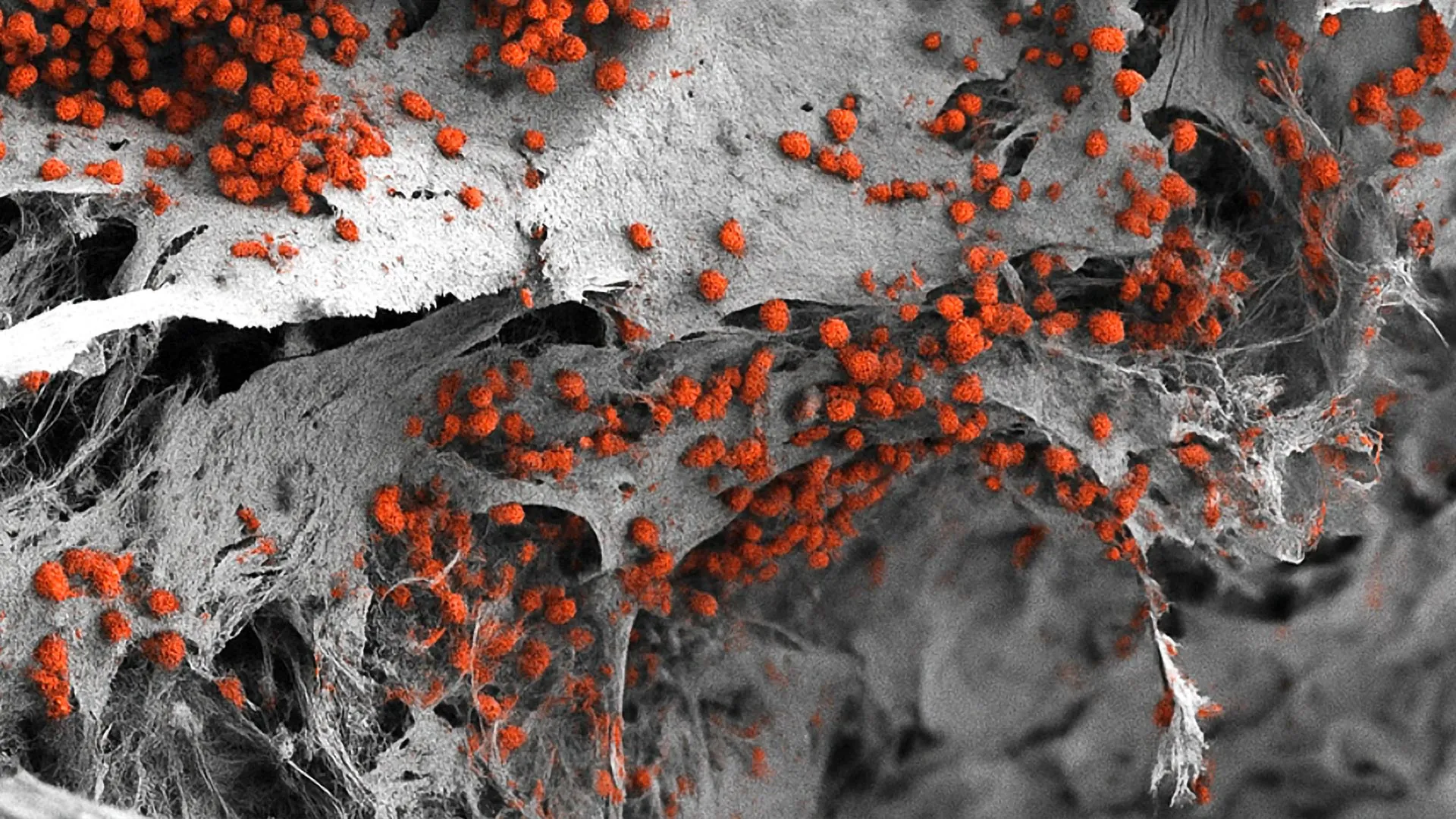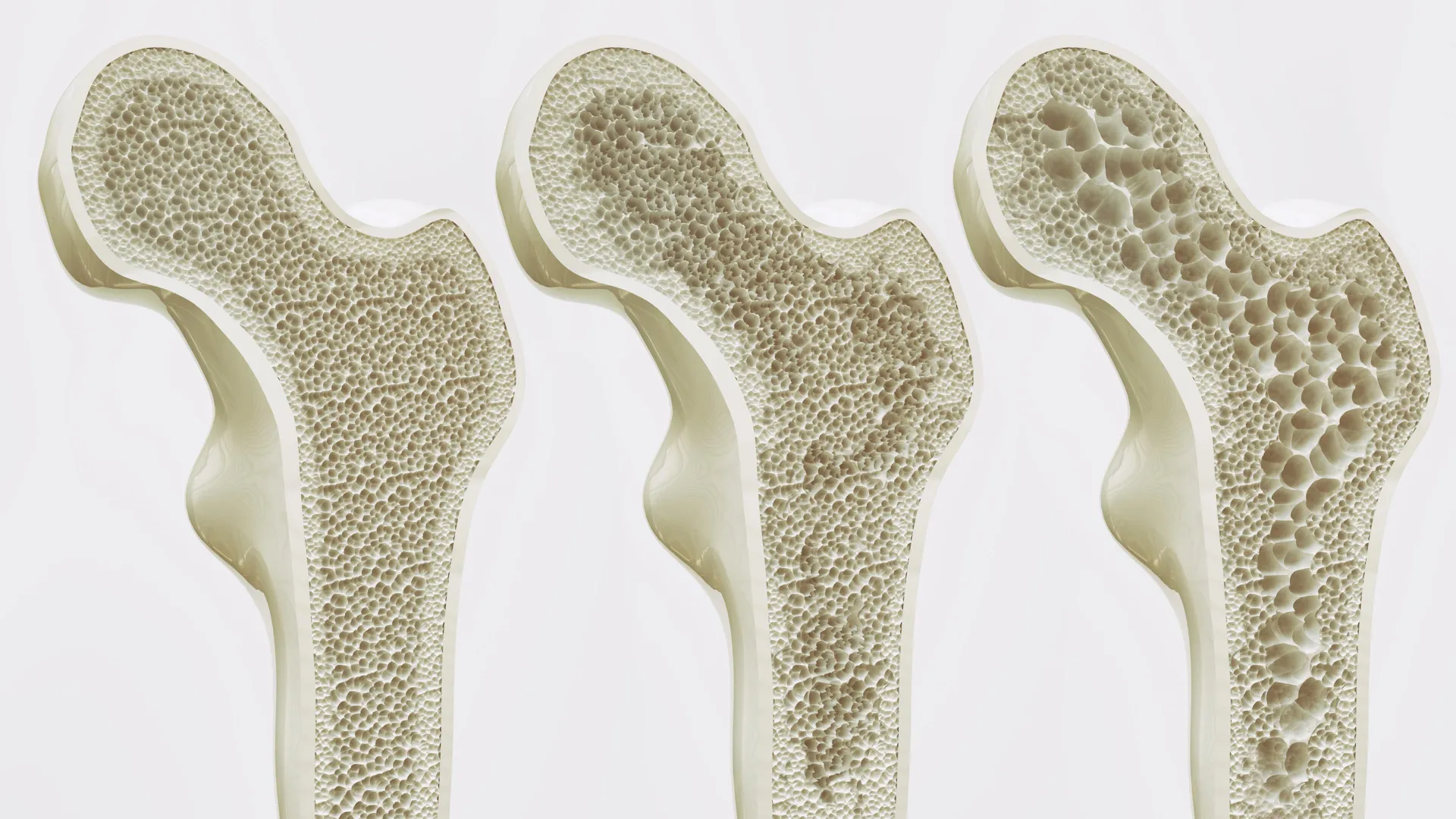
Every second of every day, the human body quietly accomplishes a biological marvel of staggering proportions: the generation of millions of fresh blood and immune cells within the spongy interior of our bones. This relentless, lifelong process of renewal is known as hematopoiesis. It relies upon a finely calibrated ecosystem—a biological delicate dance involving hematopoietic stem cells (HSCs), specialized supportive stromal cells, and an intricate network of localized immune signals. For decades, modern medical science has focused heavily on the stem cells themselves, viewing them as the primary engines of blood production and the origin points when things go wrong. However, a landmark international study has radically shifted this perspective, illuminating how the surrounding bone environment plays a profoundly active, and previously underestimated, role in the genesis of blood cancers and age-related systemic decline.
The research, conducted by an extensive multidisciplinary team of scientists co-led by Professor Judith Zaugg from the European Molecular Biology Laboratory (EMBL) and the University of Basel, alongside Dr. Borhane Guezguez from the University Medical Center (UMC) Mainz, exposes how chronic, low-grade inflammation alters the bone marrow microenvironment long before overt disease becomes clinically apparent. Utilizing cutting-edge molecular and spatial analytics drawn from the BoHemE cohort study—carried out in close collaboration with Professor Uwe Platzbecker at the National Center for Tumor Diseases (NCT) Dresden—the researchers have mapped the cellular architecture of human bone marrow with unprecedented precision. Their findings not only rewrite our understanding of pre-leukemic conditions like clonal hematopoiesis of indeterminate potential (CHIP) and myelodysplastic syndrome (MDS), but they also offer a fresh paradigm for intercepting lethal malignancies before they can take root.
The Fragile Balance of Lifelong Blood Production
To understand the gravity of the new findings, one must first examine the inherent vulnerabilities of the aging hematopoietic system. Throughout youth and early adulthood, the bone marrow functions with remarkable efficiency. However, as individuals advance in age, this biological equilibrium begins to fray. Decades of exposure to environmental stressors, cumulative somatic mutations within the DNA of hematopoietic stem cells, and persistent, low-grade systemic inflammation gradually disrupt intercellular communication.
Normal stem-cell self-renewal begins to flag. Simultaneously, certain mutated HSC clones acquire a subtle competitive advantage, allowing them to expand unnoticed among their healthy counterparts. This phenomenon is clinically defined as clonal hematopoiesis of indeterminate potential, or CHIP. Far from being a rare medical curiosity, CHIP is remarkably common in older populations. Epidemiological data indicates that CHIP can be detected in approximately 10 to 20 percent of adults over the age of 60, and its prevalence surges to nearly 30 percent in individuals over the age of 80.
Although individuals diagnosed with CHIP typically present with no physical symptoms or outward signs of illness, the condition acts as a ticking biological clock. Clinical tracking has established that CHIP increases an individual’s lifetime risk of developing aggressive blood cancers by a staggering tenfold. Furthermore, it independently doubles the likelihood of cardiovascular disease and early all-cause mortality, bridging the gap between hematology and cardiology in unexpected ways.
When CHIP progresses or when distinct genetic abnormalities accumulate further, it can transition into more severe hematologic disorders, such as myelodysplastic syndrome (MDS). MDS is a debilitating condition characterized by inefficient, disordered blood-cell production and the gradual functional failure of the bone marrow. It affects up to 20 in every 100,000 adults over the age of 70. Most alarmingly, roughly 30 percent of all MDS cases eventually advance to acute myeloid leukemia (AML), a notoriously aggressive, fast-moving, and frequently fatal form of blood cancer. Despite the profound clinical severity of these disorders, the precise mechanisms by which the bone marrow microenvironment—often referred to as the bone marrow niche—contributes to their initiation and progression had remained shrouded in mystery.
Mapping the Microenvironment: A High-Resolution Approach
To lift the veil on these hidden pathological transformations, the research collaboration embarked on a comprehensive molecular and spatial analysis of human bone marrow samples. The team bypassed traditional, broad-brush methodologies in favor of a multi-pronged technological strategy. They deployed single-cell RNA sequencing to analyze individual cellular transcriptomes, high-resolution biopsy imaging to map cellular geography, advanced proteomics to quantify protein expression, and sophisticated co-culture models to simulate bone marrow dynamics in vitro.
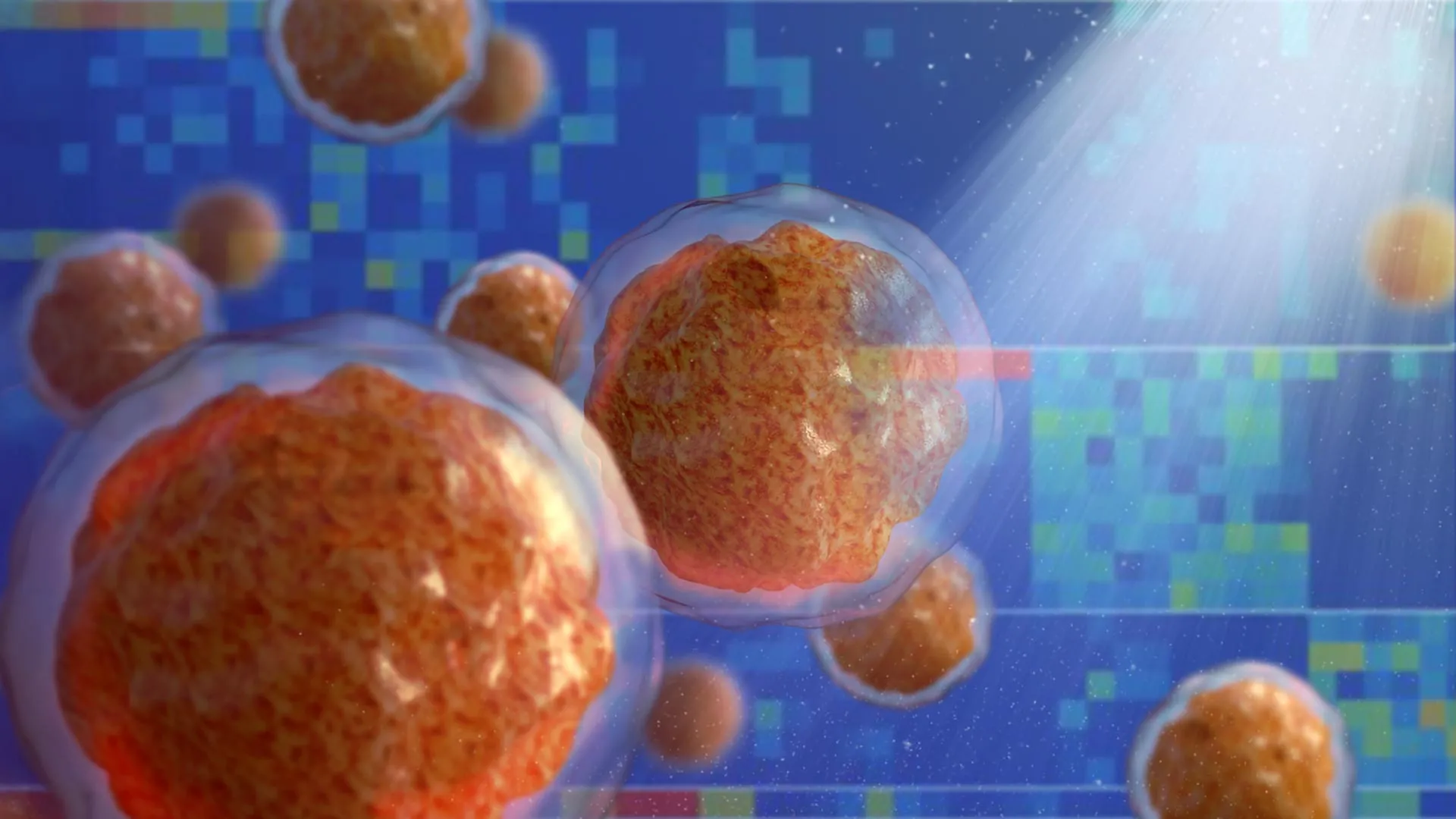
This toolkit allowed the researchers to construct a high-resolution cellular map comparing the bone marrow microenvironments of healthy donors, elderly individuals with asymptomatic CHIP, and patients actively suffering from MDS. The results yielded an immediate and unexpected revelation: a profound cellular remodeling of the bone marrow microenvironment takes place long before any clinical signs of leukemia or marrow failure manifest.
Specifically, the team discovered that as individuals age or develop pre-malignant clones, a specialized population of inflammatory stromal cells gradually replaces the conventional mesenchymal stromal cells (MSCs) that normally sustain healthy stem-cell function.
"I was surprised to observe such pronounced remodeling of the bone marrow microenvironment already in individuals with CHIP, although the underlying cause-and-effect relationships remain unclear," noted Judith Zaugg, co-senior author of the study, EMBL Group Leader, and Professor at the University of Basel.
Unlike their healthy counterparts, these newly identified inflammatory MSCs (iMSCs) behave like active biological sirens. They churn out copious quantities of interferon-induced cytokines and chemokines. These signaling molecules act as beacons, actively recruiting and hyper-activating interferon-responsive T cells within the marrow. Once activated, these T cells escalate their own inflammatory output, forging a persistent, self-sustaining feed-forward loop. This chronic inflammatory cycle not only disrupts normal, healthy blood formation but also drives structural and vascular changes within the bone marrow cavity.
Dissecting the Drivers of Marrow Inflammation
One of the most counterintuitive puzzles facing the research team was determining the exact source of this inflammatory cascade. Conventional medical theory long assumed that the mutated hematopoietic stem cells themselves acted as the primary instigators, directly signaling their surroundings to foster a hospitable, albeit corrupted, ecosystem.
To test this assumption directly, the researchers utilized a novel computational method called SpliceUp. Developed by co-lead author and EMBL alumnus Maksim Kholmatov in close collaboration with Pedro Moura and Professor Eva Hellström-Lindberg from the Karolinska Institute, SpliceUp possesses the unique capability to separate genetically mutated cells from non-mutated cells within complex single-cell datasets by detecting abnormal RNA-splicing patterns.
To the researchers’ astonishment, applying SpliceUp revealed that mutated hematopoietic cells in MDS do not directly trigger the inflammatory response observed in the surrounding stromal cells. Instead, once established, the inflammatory network within the microenvironment becomes autonomously dominant, systematically eroding and replacing the marrow’s normal regenerative architecture.
"Another striking observation was that MDS stem cells couldn’t trigger stromal cells to produce CXCL12, an important signal that triggers blood cells to settle in the bone marrow. This failure may help explain why the bone marrow stops working properly," explained Karin Prummel, co-lead author and postdoctoral researcher at EMBL.
Maksim Kholmatov echoed the significance of this unexpected dynamic. "It was quite surprising to see the lack of a direct inflammatory effect that we could attribute to the mutant cells," Kholmatov said. "However, when viewed in the context of changes in the T cell and stromal compartments, it underlines the importance of the bone marrow microenvironment in shaping disease progression."
Therapeutic Horizons: Targeting the Niche, Not Just the Mutants
These revelations fundamentally alter the strategic landscape for treating and preventing age-related blood disorders. By proving that inflammation serves as an early, foundational driver of disease progression rather than a mere secondary symptom, the study repositions the bone marrow microenvironment as a premier therapeutic target.
Traditional hematological therapies have historically focused almost exclusively on eradicating malignant cells—often through toxic chemotherapy regimens or bone marrow transplantation—while paying little attention to the physical ecosystem left behind. The findings by Zaugg, Guezguez, and their colleagues suggest that future interventions must look beyond the mutant clones alone and direct therapeutic strategies toward the supportive ecosystem that sustains them.
Several promising avenues for clinical translation emerge from these insights. For older adults diagnosed with CHIP, the administration of targeted anti-inflammatory drugs or therapies designed to modulate aberrant interferon signaling could potentially preserve normal bone marrow function and halt decline. Furthermore, combining standard targeted cancer therapies with novel agents that specifically remodel or calm the microenvironment could successfully slow or outright prevent the treacherous transition from asymptomatic CHIP to fully realized MDS or AML.
Additionally, the specific molecular signatures identified within iMSCs and interferon-responsive T cells could serve as invaluable early biomarkers. Clinicians could utilize these molecular markers to screen elderly populations, identifying individuals at the highest risk of disease progression years before clinical symptoms appear.
"Our findings reveal that the bone marrow microenvironment actively shapes the earliest stages of malignant evolution," emphasized Borhane Guezguez, Principal Investigator in the Department of Hematology at UMC Mainz and co-senior author of the research. "As advances in molecular profiling allow us to detect pre-leukemic states years before clinical onset, understanding how stromal and immune cells interact provides a foundation for preventive therapies that intercept disease progression before leukemia develops."
Inflammaging and the Broader Scientific Landscape
The implications of this research extend far beyond the specialized fields of hematology and oncology, tapping into a broader, highly studied biological concept known as "inflammaging." Inflammaging describes the chronic, sterile, low-grade inflammation that systematically develops with advanced age, serving as a primary contributor to a wide spectrum of age-related conditions, including metabolic disorders, neurodegeneration, cardiovascular disease, and cancer.
For generations, the bone marrow was viewed by physiologists primarily as a passive factory floor dedicated solely to blood cell production. This new study reframes the marrow as a central player in systemic aging—simultaneously victimized by and responsible for driving systemic inflammatory decline. By detailing the exact cellular crosstalk between immune cells and stromal compartments that underpins this process, the research offers a robust mechanistic model that can now be applied to investigate inflammatory remodeling in other myeloid malignancies and advanced leukemias.
Despite these breakthroughs, the researchers acknowledge that important questions remain. "It will be crucial to study these processes over time; our current findings are based on cross-sectional data," noted Professor Zaugg.
This temporal limitation carries profound implications for existing medical procedures, such as allogeneic hematopoietic stem cell transplantation. If the bone marrow niche retains an inflammatory "memory" of disease even after malignant cells have been successfully cleared by chemotherapy, this altered environment might actively compromise the engraftment and survival of newly introduced, healthy stem cells. Consequently, research teams are already actively investigating the degree to which the niche holds this pathological memory.
Importantly, this study did not stand alone in its conclusions. It was published alongside a complementary, closely aligned investigation examining the MDS bone marrow microenvironment, led by Professor Marc Raaijmakers from the Erasmus MC Cancer Institute in Rotterdam and likewise featured in Nature Communications. Together, these dual publications provide the scientific community with a remarkably comprehensive, mutually reinforcing view of the inflammatory remodeling processes that govern the earliest, most critical phases of bone marrow disease.
The international effort brought together leading minds and institutions from across the globe, including the University Medical Center Mainz, the University of Basel, University Hospital Dresden, the Karolinska Institute in Sweden, The Jackson Laboratory in the United States, Sorbonne University in France, and German Cancer Consortium (DKTK) partner institutions such as the German Cancer Research Center (DKFZ) and NCT Dresden. Financial support for the complex undertaking was provided by a robust coalition of funding bodies, including the DKTK-CHOICE program, the European Research Council via the ERC grant EpiNicheAML awarded to Judith Zaugg, the Marie Skłodowska-Curie Actions funded ITN ENHPATHY, EMBO, the Swiss National Science Foundation, and the José Carreras Leukämie-Stiftung.
As medical science marches toward an era of personalized, predictive, and preventative medicine, the realization that our bones harbor an active, inflammatory landscape capable of steering us toward cancer opens up entirely new frontiers in healthcare. By learning how to listen to the silent cellular conversations occurring deep within our marrow, researchers are moving ever closer to intercepting age-related diseases before they ever begin.