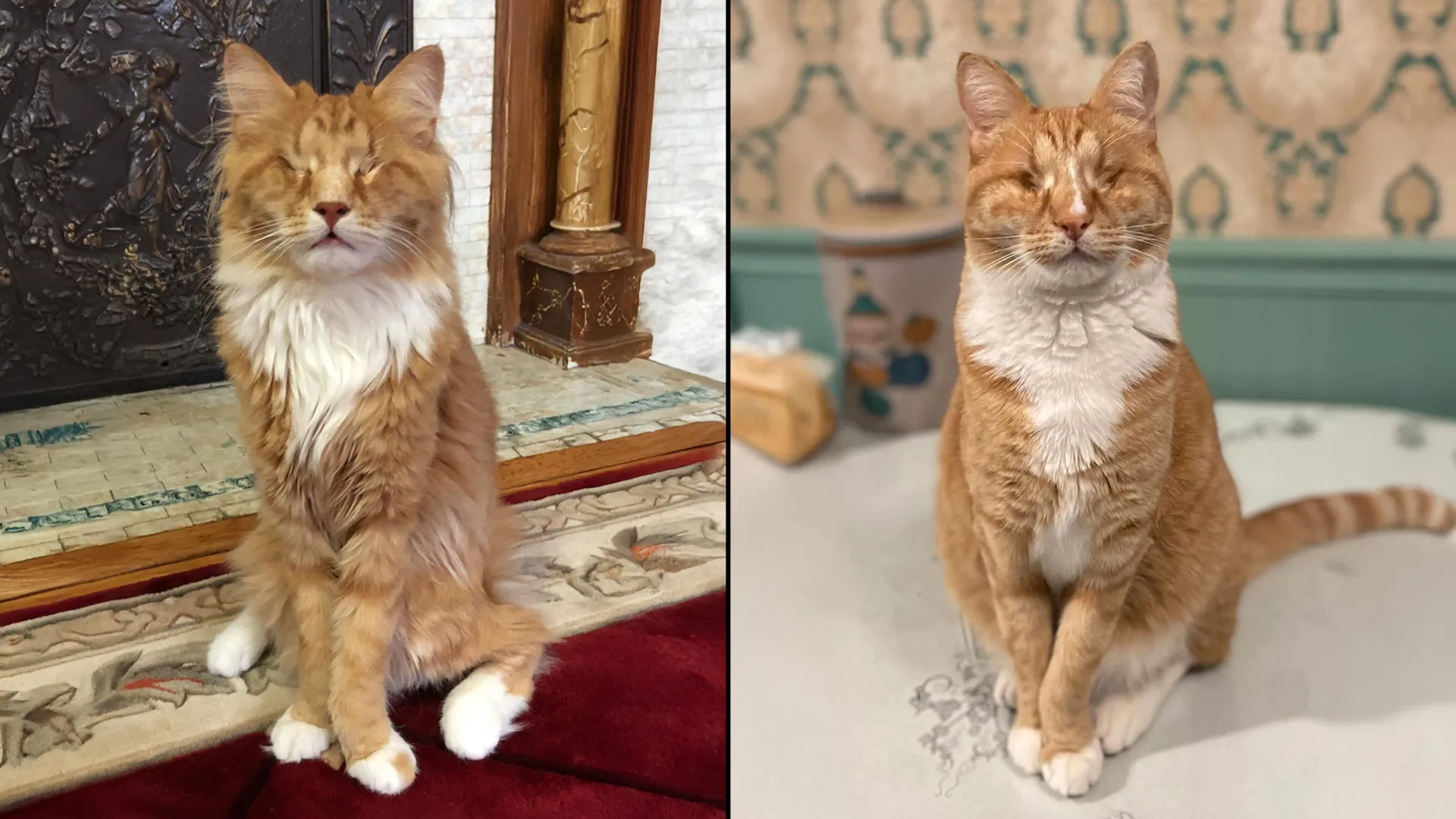
The landscape of veterinary medicine and genetic research shifted significantly following a landmark study published in the journal Scientific Reports, which detailed the first molecular characterization of Marfan syndrome in domestic cats. The subjects of this investigation, two brothers named Gary and Shaggy, exhibited clinical features that mirrored the human presentation of the connective tissue disorder, providing researchers at Cornell University with a rare opportunity to study a condition that has long been considered exclusive to the human population. By identifying the underlying genetic mutations in these feline patients, scientists have opened new pathways for diagnostics, therapeutic interventions, and a deeper understanding of hereditary pathologies that bridge the gap between species.
A Clinical Anomaly: The Discovery of Gary and Shaggy
The investigation began when the two kittens, Gary and Shaggy, presented with distinct physical phenotypes that deviated from standard feline development. During their early growth phases, it became evident that the brothers possessed disproportionately long, slender limbs—a hallmark trait often associated with Marfan syndrome in human pediatric patients. As the cats matured, the clinical picture became more complex. Attending veterinarians observed ocular abnormalities, specifically involving the lens and surrounding structures, alongside a significant enlargement of the aorta, the primary vessel responsible for distributing oxygenated blood from the heart to the rest of the body.
The confluence of these symptoms—skeletal elongation, ocular distress, and cardiovascular enlargement—prompted a referral to specialized veterinary researchers. While Marfan syndrome affects approximately 1 in 4,000 humans, it had never before been definitively documented in a feline subject. The rarity of the presentation necessitated a multidisciplinary approach, involving experts in veterinary genetics, cardiology, and ophthalmology to confirm that the symptoms were not merely sporadic developmental issues but a manifestation of a systemic connective tissue disorder.
The Chronology of Investigation
The diagnostic timeline spanned several months of rigorous observation and molecular analysis. Upon the initial presentation of the brothers’ symptoms, the veterinary team at Cornell University initiated a comprehensive medical review.
- Initial Presentation (Month 1): Practitioners identified arachnodactyly—the medical term for long, slender fingers and toes, which in this case applied to the cats’ paws—and noted cardiovascular murmurs during routine examinations.
- Diagnostic Imaging (Month 2-3): Echocardiograms confirmed aortic root dilation, a critical diagnostic indicator for Marfan syndrome. Ophthalmologic exams revealed ectopic lentis, or the displacement of the lens of the eye.
- Genetic Sequencing (Month 4-6): Researchers performed whole-exome sequencing to compare the brothers’ DNA against known feline genomic databases.
- Publication (Month 12): Following extensive peer review and validation of the findings, the study was formally published in Scientific Reports, cementing the discovery as the first of its kind.
Unpacking the Genetic Mechanism: The FBN1 Connection
At the heart of the brothers’ condition was a series of mutations within the FBN1 gene. In healthy mammals, this gene is responsible for providing the instructions necessary to synthesize fibrillin-1, a large glycoprotein that forms the structural scaffold for microfibrils. These microfibrils are essential for the structural integrity of connective tissues, including the walls of the arteries, the suspensory ligaments of the lens in the eye, and the periosteum of the bones.
The genetic analysis revealed that Gary and Shaggy were homozygous for an altered FBN1 variant, meaning they inherited one mutated copy of the gene from each parent. In human medicine, the inheritance of two mutated FBN1 alleles is typically considered neonatal-lethal, as it results in a total loss of fibrillin-1 production. However, the feline subjects presented a unique biological twist. The specific variant identified in Gary and Shaggy did not render the gene entirely non-functional. Instead, it caused a splicing error—a disruption in how the genetic instructions are processed—that allowed for a limited, albeit impaired, production of functional fibrillin-1 protein. This "leaky" mutation explains how the brothers survived into adulthood, as their bodies retained a residual ability to maintain connective tissue integrity, preventing the rapid, catastrophic systemic failure typically seen in homozygous mutations.
Official Perspectives and Expert Commentary
Dr. Jacquelyn Evans, a senior author of the study and an assistant professor at the Cornell University College of Veterinary Medicine and the Baker Institute for Animal Health, emphasized the broader implications of the findings. "The findings provide a foundation for improved veterinary diagnostics," Dr. Evans stated. "It can help veterinarians recognize similar cases in the future and may help develop genetic tests that were previously unavailable to cat owners and breeders."
The Baker Institute for Animal Health, known for its focus on comparative medicine, viewed this study as a testament to the utility of "One Health" research. By studying the naturally occurring mutation in cats, researchers can gain insights into the phenotypic variability of Marfan syndrome, potentially uncovering how the same gene can manifest differently across species. This research is expected to influence how veterinary clinics screen for cardiovascular risks in breeds that may have predispositions to connective tissue irregularities.
Comparative Data: Marfan Syndrome in Humans vs. Cats
To appreciate the significance of this discovery, it is necessary to compare the feline case with established human data. In humans, Marfan syndrome is an autosomal dominant disorder caused by mutations in the FBN1 gene on chromosome 15. The prevalence of the condition is widespread, and it is characterized by high clinical variability, meaning even individuals with the same mutation may present with vastly different symptoms.
| Feature | Human Presentation | Feline Presentation (Gary/Shaggy) |
|---|---|---|
| Gene Involvement | FBN1 (Chromosome 15) | FBN1 (Homologous feline gene) |
| Inheritance Pattern | Autosomal Dominant | Autosomal Recessive (in this case) |
| Cardiovascular Impact | Aortic Aneurysm/Dissection | Aortic Root Dilation |
| Skeletal Indicators | Arachnodactyly/Tall Stature | Long Limbs/Arachnodactyly |
| Prognosis | Managed via medication/surgery | Unknown (requires ongoing monitoring) |
The divergence in inheritance patterns—autosomal dominant in humans versus the recessive mutation identified in these cats—highlights the complexity of genetic evolution. It also underscores the importance of not assuming that feline genetic disorders will mirror human inheritance patterns exactly, even when the underlying gene is identical.
Broader Impact and Future Implications
The identification of Marfan syndrome in cats has immediate implications for the field of veterinary cardiology. Aortic root dilation is a life-threatening condition in both species; however, in veterinary medicine, it is frequently overlooked until a clinical crisis occurs. With this new understanding, researchers are now advocating for the inclusion of FBN1 screening in genetic panels for cats exhibiting skeletal or ocular anomalies.
Furthermore, the discovery serves as a model for "translational medicine." By observing how the feline body compensates for a partial loss of fibrillin-1 function, researchers may identify compensatory biological pathways that could one day be leveraged to treat human patients. The "leaky" mutation discovered in Gary and Shaggy is of particular interest to molecular biologists, as it demonstrates that there is a spectrum of functionality in FBN1 mutations, rather than a binary "on/off" state.
As the scientific community continues to analyze the data from this study, the legacy of Gary and Shaggy will extend far beyond their own lives. They have provided the primary evidence needed to expand the taxonomy of feline hereditary diseases, setting a new standard for how researchers categorize connective tissue disorders in companion animals. For the millions of cat owners and the veterinary professionals who serve them, this discovery provides a new lens through which to view mysterious developmental traits, ultimately leading to more accurate diagnoses and more compassionate care. As genetic testing becomes increasingly accessible, the story of these two brothers will likely prove to be the first chapter in a much larger narrative concerning the genetic health of the domestic feline population.