

Researchers from the Center for Nuclear Energy in Agriculture at the University of São Paulo (CENA-USP) have identified multiple classes of antibiotics in the Piracicaba River, a vital waterway in São Paulo state, Brazil. Their groundbreaking study, published in the esteemed journal Environmental Sciences Europe, reveals not only the widespread presence of these pharmaceutical compounds in the river’s water but also their concerning accumulation within the tissues of local fish. Adding another layer to this complex environmental issue, the CENA-USP team investigated the potential of Salvinia auriculata, a common floating aquatic plant in the region, to mitigate this pervasive contamination.
This comprehensive investigation, spearheaded by lead researcher Patrícia Alexandre Evangelista and generously supported by the São Paulo Research Foundation (FAPESP), employed a multi-faceted scientific approach. The research integrated rigorous environmental monitoring, detailed studies on pollutant bioaccumulation in aquatic organisms, thorough analyses of genetic damage in riverine life, and controlled experimental trials utilizing plants for contaminant removal. This holistic strategy was crucial in developing a nuanced understanding of the scale of the antibiotic pollution problem and exploring potential avenues for addressing pollution stemming from both human and veterinary pharmaceutical use.
Unveiling the Sources and Seasonal Dynamics of Riverine Antibiotic Contamination
The study focused its sampling efforts near the Santa Maria da Serra dam, a strategic location upstream of the Barra Bonita reservoir. This area acts as a natural convergence point for contaminants flowing from across the extensive river basin, receiving inputs from various anthropogenic sources. These include treated sewage effluent, domestic wastewater discharges, intensive aquaculture operations, widespread pig farming practices, and agricultural runoff carrying a cocktail of chemicals.
To capture the full spectrum of antibiotic presence, researchers meticulously collected samples of water, sediment, and fish during both the high-flow rainy season and the low-flow dry season. Their monitoring program targeted twelve commonly prescribed and utilized antibiotics, encompassing critical classes such as tetracyclines, fluoroquinolones, sulfonamides, and phenols.
"The results demonstrated a clear seasonal pattern in antibiotic concentrations," stated Evangelista. "During the rainy season, when the river’s volume significantly increases, most antibiotics were detected at levels below the limits of quantification. However, in the dry season, as water volume decreases and contaminants become more concentrated, a diverse array of compounds were readily detected."
The measured concentrations of these antibiotics varied significantly, ranging from nanograms per liter in the water column to micrograms per kilogram in the riverbed sediment. Alarmingly, certain antibiotics, including enrofloxacin and specific sulfonamides, were found in the sediment at concentrations exceeding those reported in similar studies conducted globally. The sediment, acting as a reservoir due to its rich organic matter and nutrient content, including phosphorus, calcium, and magnesium, can sequester these compounds and potentially reintroduce them into the aquatic environment over extended periods.
A Prohibited Antibiotic Emerges in Local Fish: A Wake-Up Call for Food Safety
One of the most startling revelations of the CENA-USP research was the unequivocal detection of chloramphenicol in lambari fish (Astyanax sp.). These fish were collected from local fishermen operating in the Barra Bonita region. Chloramphenicol is an antibiotic whose use in livestock and food-producing animals is explicitly prohibited in Brazil due to the significant health risks associated with its toxicity.
"This substance, chloramphenicol, appeared exclusively during the dry season, with detected levels reaching tens of micrograms per kilogram of fish tissue," Evangelista elaborated. Given the widespread consumption of lambari fish within the region, this finding raises profound concerns regarding potential human exposure to banned antibiotics through the food chain.
To further investigate the implications of these findings, chloramphenicol and enrofloxacin were selected for detailed laboratory experiments due to their significant relevance to both environmental and human health. "Enrofloxacin is extensively used in animal husbandry, including aquaculture, and also finds application in human medicine," Evangelista explained. "Chloramphenicol, conversely, continues to be used in human medicine, despite its ban for food-producing animals. Its presence serves as a historical marker of persistent contamination within the ecosystem."
Investigating Nature’s Potential: The Role of Salvinia Auriculata in Antibiotic Remediation
In a crucial aspect of their research, the CENA-USP team explored the phytoremediation capabilities of Salvinia auriculata, a free-floating aquatic fern often classified as an invasive species in Brazilian waterways. The researchers aimed to ascertain whether this abundant plant could play a role in purifying the contaminated waters of the Piracicaba River.
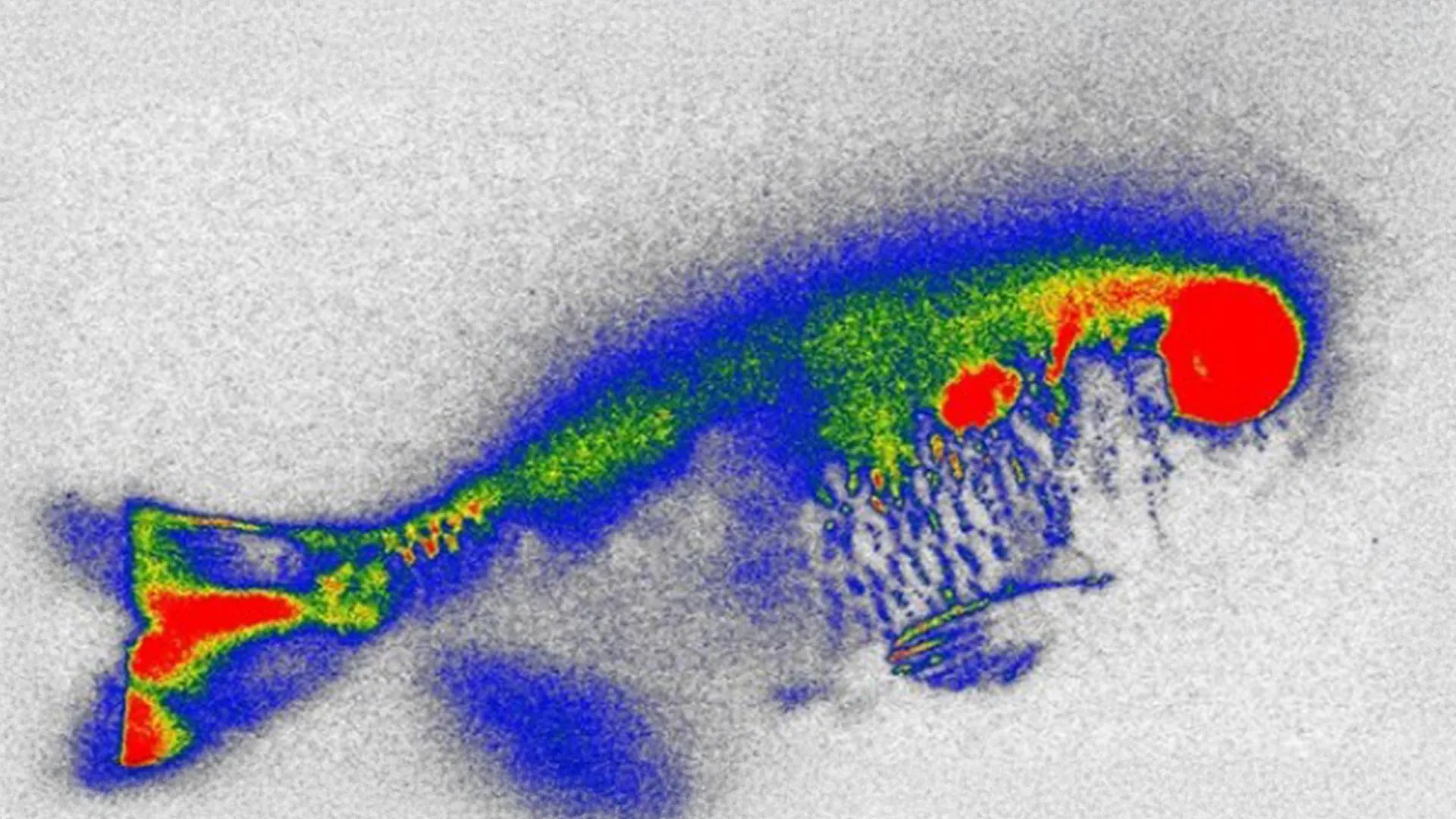
Controlled laboratory experiments were designed to expose Salvinia auriculata to both typical environmental concentrations of enrofloxacin and chloramphenicol, as well as levels a hundred times higher. To precisely track the movement and fate of these antibiotics, the study utilized Carbon-14-radiolabeled compounds. This innovative technique allowed researchers to meticulously monitor the antibiotics as they transitioned through the water, the plant, and the fish.
"Our findings indicated a high efficiency of Salvinia auriculata in removing enrofloxacin from the water," reported Evangelista. "In experimental setups with higher plant biomass, more than 95% of the enrofloxacin was eliminated from the water within a mere few days, drastically reducing its half-life to approximately two to three days. For chloramphenicol, the removal process was notably slower and only partially effective. The plant managed to remove between 30% and 45% of the chloramphenicol from the water, with half-lives ranging from 16 to 20 days, underscoring the greater persistence of this compound in the aquatic environment."
Microscopic imaging techniques provided further insights, revealing that the antibiotics primarily accumulated within the plant’s root structures. This observation strongly suggests that root absorption and filtration mechanisms are central to the plant’s capacity to remove these contaminants.
Complex Interactions: How Antibiotics Behave Within Fish and the Plant’s Influence
A particularly complex and challenging aspect of the study involved understanding how these antibiotics behave once they are absorbed by fish. Experiments revealed that a reduction in antibiotic levels in the surrounding water does not automatically translate to a proportionate decrease in the amount of antibiotics absorbed by the fish.
Enrofloxacin exhibited a tendency to remain dissolved in the water and was relatively quickly eliminated by the lambari fish, with a half-life of approximately 21 days and limited accumulation in their tissues. Chloramphenicol, however, displayed a starkly different behavior. It persisted significantly longer within the fish, exhibiting a half-life exceeding 90 days and a pronounced propensity to accumulate in their tissues.
The presence of Salvinia auriculata introduced an additional layer of complexity to these dynamics. While the plant effectively reduced antibiotic concentrations in the water, it, in some instances, appeared to accelerate the rate at which fish absorbed these compounds. One plausible explanation for this phenomenon is that the plant might alter the chemical form of the antibiotics, thereby enhancing their bioavailability and ease of uptake by fish.
"This highlights that employing plants as ‘sponges’ for contaminants is not a straightforward solution," Evangelista cautioned. "The presence of the macrophyte fundamentally alters the entire aquatic system, including the pathways through which organisms interact with the contaminants."
Genetic Impacts on Fish: Evidence of DNA Damage and Potential Mitigation by Plants
The research also delved into the genetic effects of these antibiotic residues on fish. Chloramphenicol was found to significantly increase DNA damage in fish, as evidenced by observable changes in blood cells, such as the formation of micronuclei and other structural abnormalities. Intriguingly, when Salvinia auriculata was present in the experimental environment, this DNA damage was substantially reduced, approaching levels observed in control groups that were not exposed to the antibiotics. For enrofloxacin, however, the plant did not demonstrate a significant capacity to mitigate the observed genetic effects.
"Our interpretation of these results suggests that, in the case of chloramphenicol, the plant might either generate fewer genotoxic byproducts or release antioxidant compounds into the rhizosphere (the area of soil immediately surrounding plant roots), thereby reducing oxidative stress in the fish," the researcher commented. "Conversely, enrofloxacin is a more chemically stable compound and may produce persistent and potentially toxic metabolites whose damaging action is not effectively neutralized by the macrophyte."
Nature-Based Solutions: Promise and Inherent Limitations
Evangelista stressed that Salvinia auriculata should not be viewed as a singular panacea for the complex issue of antibiotic pollution. While it exhibits considerable potential, there are significant limitations and practical challenges that must be addressed. A primary concern revolves around the sustainable management of the plant biomass once it has absorbed contaminants. If this contaminated plant material is not properly harvested and treated, it could inadvertently lead to the re-release of antibiotics back into the environment.
Despite these challenges, aquatic plants like Salvinia auriculata represent a promising, low-cost, nature-based approach to pollution reduction. This is particularly significant in regions where advanced treatment technologies, such as ozonation or other sophisticated oxidative processes, are economically prohibitive.
"The study unequivocally demonstrates that the problem of antibiotic pollution is real, measurable, and inherently complex," Evangelista concluded. "Any effective strategy to address this challenge must consider not only the physical removal of the contaminant but also its multifaceted biological and ecological impacts."
Broader Environmental and Public Health Ramifications
The pervasive presence of antibiotic residues in the water, sediment, and fish of the Piracicaba River serves as a stark illustration of the far-reaching consequences of human activities on aquatic ecosystems. The increasing prevalence of antibiotic-resistant microorganisms in the environment is a growing global concern, potentially contributing to the emergence of "superbugs" that pose a significant threat to public health.
Valdemar Luiz Tornisielo, the supervisor of Evangelista’s research and a co-author of the published article, emphasized the positive outcomes of the study. "The research yielded encouraging results regarding low-cost environmental solutions and significantly enhanced our understanding of the integrated functioning of aquatic ecosystems," he stated. "It also highlighted the efficacy of natural techniques for mitigating environmental impacts."
The International Atomic Energy Agency (IAEA) played a crucial role in this research by providing the radiolabeled molecules essential for tracing the fate of the antibiotics within the study system. This international collaboration underscores the global nature of the antibiotic pollution challenge and the need for coordinated scientific efforts to address it. The findings from the Piracicaba River serve as a critical case study, offering valuable insights for policymakers, environmental managers, and public health officials grappling with the escalating threat of pharmaceutical pollution in waterways worldwide.















Leave a Reply