

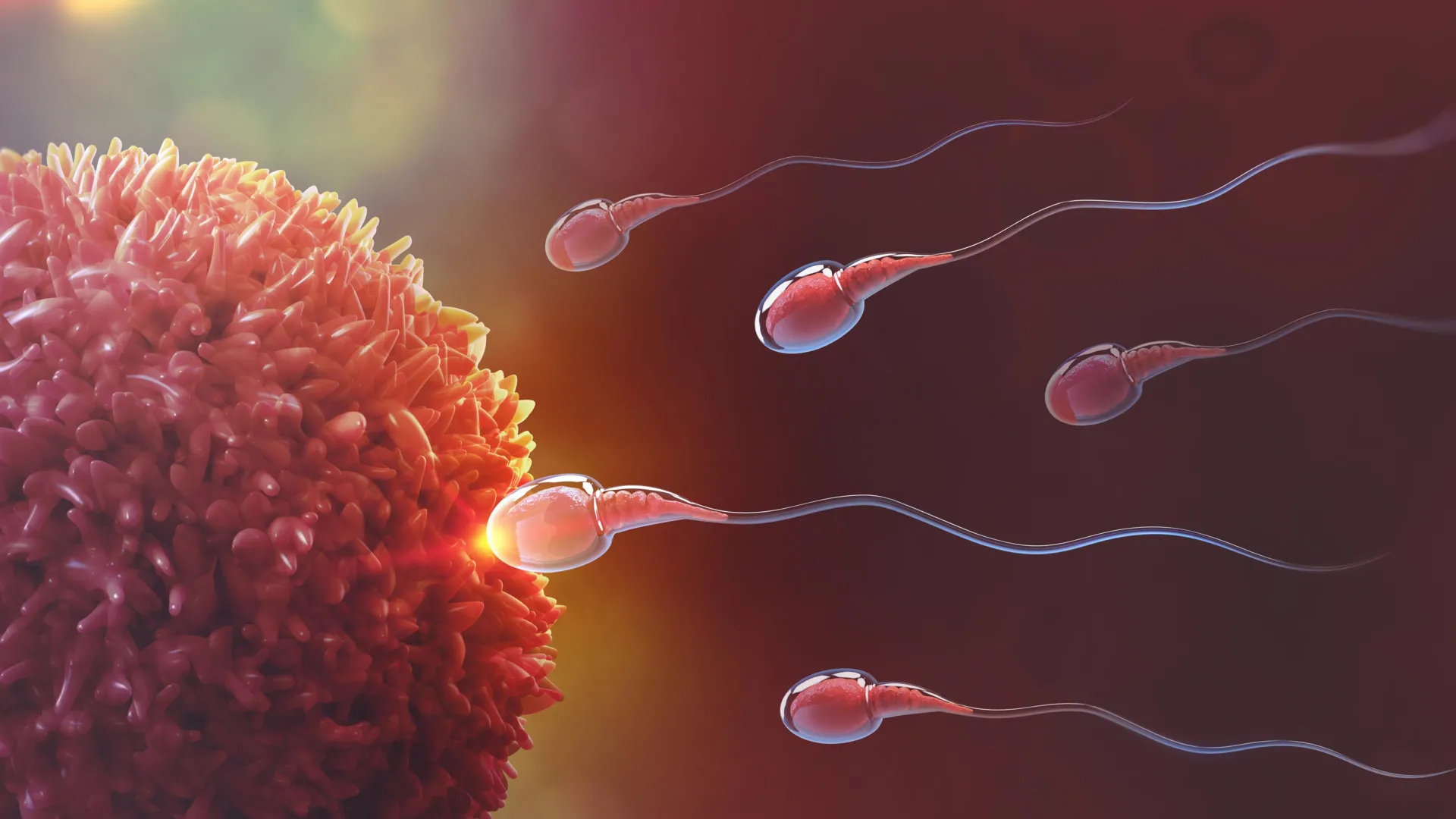
Researchers at Cornell University have announced a significant breakthrough in reproductive science, successfully demonstrating a method for a safe, reversible, and 100% effective non-hormonal male contraceptive. The study, which represents a "proof-of-principle" milestone, addresses a long-standing void in the pharmacological landscape: the lack of a male-centered birth control option that does not rely on surgery or barrier methods. Published in the Proceedings of the National Academy of Sciences (PNAS), the findings suggest that by interrupting a specific phase of meiosis—the specialized cell division that produces sperm—fertility can be temporarily suspended without altering the long-term reproductive health of the subject.
The research team, led by Paula Cohen, a professor of genetics and director of the Cornell Reproductive Sciences Center, spent six years conducting rigorous testing on mouse models. Their approach marks a departure from traditional male contraceptive research, which has largely focused on hormonal interventions similar to the female birth control pill. By targeting the cellular mechanics of sperm production rather than the endocrine system, the Cornell team believes they have found a way to avoid the mood swings, weight gain, and other systemic side effects that have historically derailed male hormonal contraceptive trials.
The Evolution of Male Contraceptive Research
For decades, the burden of reproductive responsibility has fallen disproportionately on women. Since the introduction of the female oral contraceptive pill in the 1960s, the options for men have remained stagnant: condoms or vasectomies. While condoms are effective when used correctly, they have a typical-use failure rate of approximately 13%. Vasectomies, conversely, are nearly 100% effective but are intended to be permanent. Although surgical reversals exist, they are expensive, invasive, and do not guarantee the restoration of fertility.
Previous attempts to develop a "male pill" often targeted testosterone. However, because testosterone plays a critical role in bone density, muscle mass, and libido, suppressing it requires a delicate balance of replacement hormones. A major World Health Organization (WHO) study into hormonal male injections was famously halted in 2016 due to reported side effects, including depression and acne—side effects that many advocates noted were similar to those long tolerated by women using hormonal birth control, yet deemed unacceptable for the male trial participants.
Recognizing these hurdles, the Cornell team focused on a non-hormonal target within the testes. Their goal was to find a "kill switch" for sperm production that was both temporary and localized, ensuring that the rest of the body’s systems remained unaffected.
The Mechanism: Targeting Meiosis via JQ1
The centerpiece of the Cornell study is a small molecule inhibitor known as JQ1. Originally developed to investigate potential treatments for cancer and inflammatory diseases, JQ1 is known to interfere with bromodomain proteins, which play a vital role in gene expression. In the context of the male reproductive system, JQ1 was found to specifically disrupt "prophase 1," a critical early stage of meiosis.
Meiosis is the process by which a single cell divides twice to produce four cells containing half the original amount of genetic information. These cells eventually become sperm. During prophase 1, homologous chromosomes pair up and exchange genetic material. If this process is interrupted, the cells cannot progress, and the body naturally triggers a process of programmed cell death (apoptosis) for those specific cells.
"We’re practically the only group that’s pushing the idea that contraception targets in the testis are a feasible way to stop sperm production," stated Professor Paula Cohen.
The strategic choice to target meiosis rather than earlier or later stages of development was intentional. By leaving the spermatogonial stem cells—the "source" cells for all future sperm—untouched, the researchers ensured that the capacity for fertility remained intact. If they had targeted the stem cells, the resulting infertility would likely have been permanent. Conversely, targeting sperm at the final stage of development (spermiogenesis) carried the risk of "leakage," where viable sperm might still be released, leading to contraceptive failure.
Chronology of the Six-Year Study
The research followed a meticulous timeline to ensure both the efficacy of the contraceptive and the safety of any future offspring.
- Phase One: Administration. Male mice were administered JQ1 over a period of three weeks. During this window, the researchers monitored the mice for any signs of systemic toxicity or behavioral changes.
- Phase Two: Sterility Confirmation. Through histological analysis and breeding trials, the team confirmed that sperm production had ceased entirely. The disruption of chromosome behavior during prophase 1 was documented as the primary cause of this infertility.
- Phase Three: Cessation and Recovery. Following the three-week treatment period, the administration of JQ1 was stopped. The researchers then observed the mice to determine how long it would take for the meiotic process to restart.
- Phase Four: Fertility Restoration. Within approximately six weeks of stopping the treatment—roughly the length of one full sperm production cycle in mice—normal meiosis resumed. Healthy, motile sperm were again present in the testes.
- Phase Five: Progeny Evaluation. The recovered male mice were bred with females. The resulting offspring were monitored through their own development to ensure that the temporary disruption of their fathers’ meiosis had no mutagenic effects.
The results were definitive. The offspring produced after the recovery period were healthy, showed no developmental abnormalities, and were themselves capable of producing normal offspring. "Our study shows that mostly we recover normal meiosis and complete sperm function, and more importantly, that the offspring are completely normal," Cohen emphasized.
Supporting Data and Technical Challenges
While JQ1 served as a perfect "proof-of-principle" molecule, the researchers were quick to clarify that JQ1 itself is not the final drug. Because JQ1 can cross the blood-brain barrier, it can cause neurological side effects that would make it unsuitable for long-term human use. However, the study’s success lies in proving that the pathway—the inhibition of prophase 1—is a viable and safe target for contraception.
Supporting data from the study indicated a 100% success rate in preventing pregnancy during the treatment phase. The "washout" period of six weeks in mice translates to a predictable timeline for humans, suggesting that a man could stop taking the medication and expect a return to fertility within a few months. This level of predictability is a significant advantage over some female hormonal methods, which can occasionally cause delays in the return of ovulation.
Broader Implications and Societal Impact
The development of a non-hormonal male contraceptive has implications that extend far beyond the laboratory. Global health organizations have long identified unintended pregnancy as a major driver of poverty and maternal mortality. According to the Guttmacher Institute, nearly 50% of pregnancies worldwide are unintended. Expanding the toolkit of available contraceptives to include a highly effective male option could significantly reduce these numbers.
Furthermore, there is a growing demand among men for more reproductive autonomy. Surveys conducted by the Male Contraceptive Initiative (MCI) suggest that a significant majority of men in diverse cultural contexts are willing to use new forms of birth control if they are proven safe and reversible.
The Cornell study also addresses a critical concern regarding genetic integrity. By demonstrating that the offspring of the "treated" mice were healthy, the researchers have mitigated fears that interfering with meiosis could lead to chromosomal defects in future children. This data is essential for gaining regulatory approval from agencies like the U.S. Food and Drug Administration (FDA).
Future Outlook: Injections and Patches
If the transition from mouse models to human trials is successful, the delivery mechanism for such a drug could take several forms. Professor Cohen suggested that the contraceptive might be administered as an injection every three months, similar to the Depo-Provera shot available for women. Alternatively, a transdermal patch could provide a steady release of the inhibitor to maintain effectiveness without the need for daily pills.
The next steps for the research team involve identifying a molecule that mimics the effects of JQ1 on the testes but lacks its systemic and neurological side effects. This search for a "refined" inhibitor is already underway, leveraging advanced computational modeling and high-throughput screening of chemical libraries.
"The holy grail of male contraception is something that is safe, doesn’t involve hormones, is completely reversible, and is 100% effective," the researchers noted. While the path to a commercial product remains long—often a decade or more for clinical trials and regulatory review—the Cornell study provides the most scientifically sound roadmap to date for achieving that goal.
As the scientific community reacts to these findings, the consensus is one of cautious optimism. By shifting the focus from hormones to the elegant, albeit complex, machinery of meiosis, the Cornell team has opened a new chapter in reproductive medicine—one where the responsibility and the means of family planning are more equitably shared.














Leave a Reply