


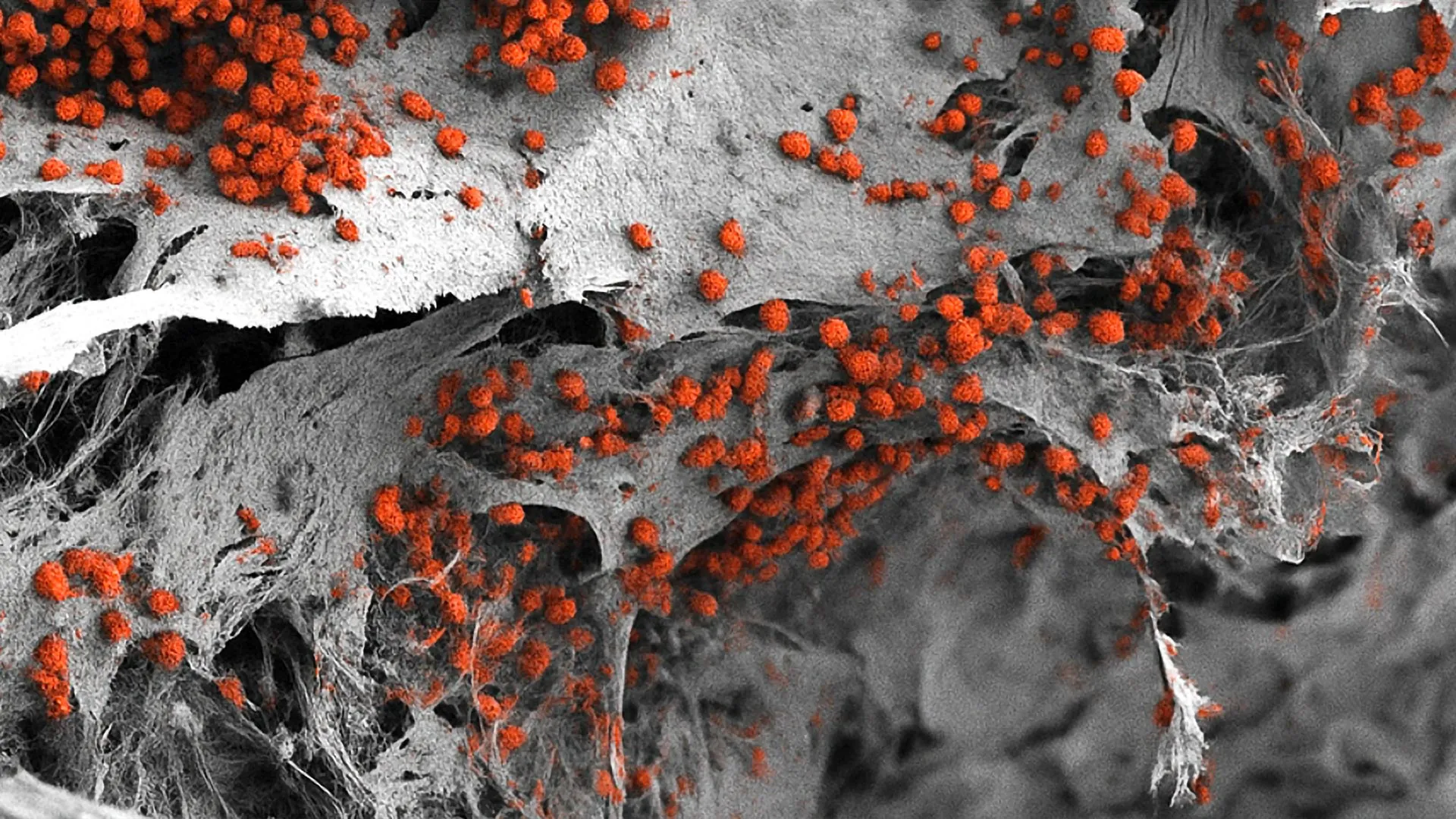
The field of hematology and regenerative medicine has reached a significant milestone as researchers at the Indiana University School of Medicine have successfully developed a pioneering imaging methodology designed to map the intricate landscape of bone marrow in unprecedented detail. This advancement, which utilizes highly sophisticated multiplex imaging technology, overcomes decades-old obstacles related to the physical properties of bone and the delicate nature of the marrow it protects. By providing a high-resolution, multi-dimensional view of cellular interactions within an intact environment, this breakthrough is poised to accelerate the development of targeted therapies for a wide spectrum of diseases, ranging from aggressive leukemias to complex autoimmune and musculoskeletal disorders.
For decades, the study of bone marrow has been hindered by a fundamental paradox of biology: the tissue responsible for generating the body’s entire blood supply and much of its immune system is also one of the most difficult to observe in its natural state. Bone marrow is a soft, gelatinous substance sequestered deep within the rigid, calcified structure of the bone. To study it, scientists have historically had to choose between preserving the structure but seeing very little, or seeing the cells in detail but destroying their spatial organization. The new methodology developed at Indiana University effectively eliminates this trade-off, allowing for the visualization of 25 or more distinct cellular markers simultaneously without disrupting the tissue’s complex architecture.
The Technical Challenge of Visualizing the Marrow Niche
To appreciate the significance of this development, one must understand the unique "niche" environment of the bone marrow. The marrow is not merely a collection of cells; it is a highly organized ecosystem where hematopoietic stem cells (HSCs) interact with various supporting cells, including osteoblasts, endothelial cells, and mesenchymal stromal cells. These interactions are spatial—where a cell is located and which cells it touches determines whether it stays dormant, self-renews, or differentiates into a specific blood cell type.
Traditional methods of analysis, such as flow cytometry, require the bone marrow to be extracted and processed into a single-cell suspension. While flow cytometry is exceptionally powerful for quantifying different cell populations, it effectively "blends" the tissue, stripping away all information regarding where those cells were located or how they were communicating with their neighbors. Standard immunofluorescence imaging, on the other hand, preserves the tissue structure but is typically limited by the "color barrier." Because of the overlap in the light spectrum used for detection, researchers are generally restricted to viewing only three or four markers at a time. This provides a very narrow window into a biological system that involves dozens of different cell types and signaling molecules.
The IU School of Medicine team, led by co-lead author Sonali Karnik, PhD, and co-senior author Reuben Kapur, PhD, turned to the Phenocycler 2.0 platform to transcend these limitations. The Phenocycler 2.0 (formerly known as CODEX) utilizes a specialized fluidics system and DNA-tagged antibodies to iteratively stain and image tissue samples. By cycling through different sets of markers and then computationally stitching the images together, the system allows researchers to build a comprehensive, high-plex map of the tissue.
Breakthrough Application in Mouse Models
While multiplex imaging tools have been applied to softer organs like the brain, spleen, and kidneys, the IU Cooperative Center of Excellence in Hematology (CCEH) is the first to successfully adapt and optimize this technology for mouse bone marrow. This achievement is particularly critical because mouse models serve as the primary vehicle for preclinical medical research. The ability to see exactly how a drug interacts with the bone marrow environment in a mouse model provides invaluable data that can be translated to human clinical trials.
"Bone marrow is difficult to study because it is gelatinous and encased in hard bone," explained Dr. Karnik, an assistant research professor of orthopedic surgery. "Since bone marrow plays an important role in blood and immune cell formation and houses valuable stem cells, our unique imaging approach offers a useful tool for a variety of research applications."
The optimization process involved developing new protocols for tissue preparation that could handle the disparate densities of the hard cortical bone and the soft marrow. The resulting data, recently published in the prestigious journal Leukemia, demonstrates that the team can visualize 25 different cellular markers in a single, intact section of bone marrow. This allows for the identification of rare cell populations and the mapping of their proximity to specific features like blood vessels or the bone surface (the endosteal niche).
Implications for Cancer and Autoimmune Research
The implications of this high-plex imaging are most immediate in the study of hematologic malignancies. In diseases like acute myeloid leukemia (AML) or multiple myeloma, cancer cells often "hijack" the bone marrow niche to protect themselves from chemotherapy. By using the new IU imaging technique, researchers can now observe the spatial relationship between leukemia cells and the surrounding stroma in real-time. This could reveal how certain "pockets" of the bone marrow serve as reservoirs for minimal residual disease, leading to relapse.
Furthermore, the technology holds great promise for the study of autoimmune diseases. Conditions such as systemic lupus erythematosus or rheumatoid arthritis often involve the aberrant production of immune cells within the marrow. Visualizing the early stages of this dysfunction could lead to the identification of new biomarkers for early diagnosis.
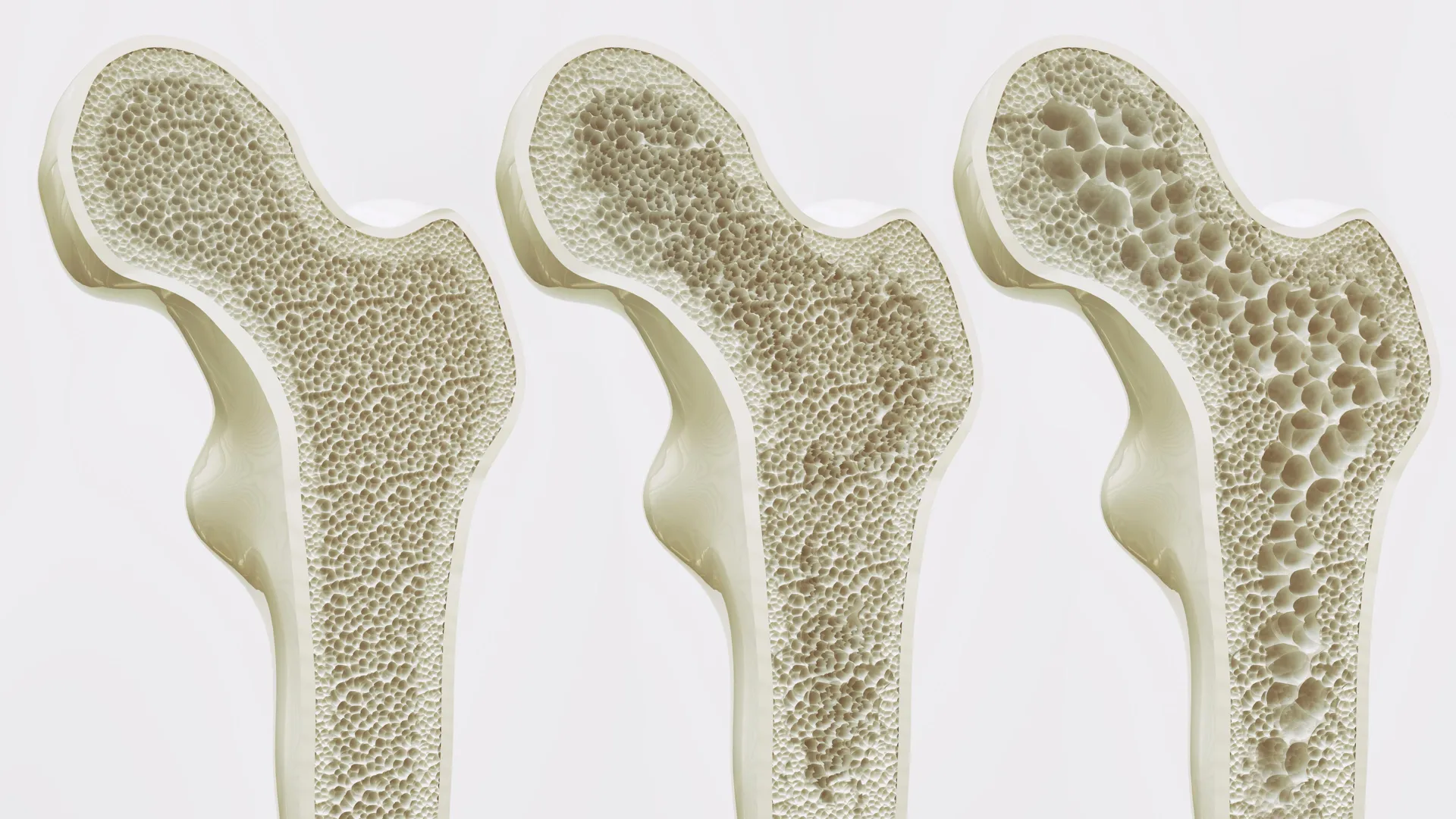
In the realm of musculoskeletal disorders, the ability to see how bone-forming cells (osteoblasts) and bone-resorbing cells (osteoclasts) interact with the marrow’s vascular and nervous systems provides a more holistic view of bone health. This is particularly relevant for treating osteoporosis or facilitating the healing of complex fractures where the marrow’s regenerative capacity is essential.
Chronology of Development and Future Expansion
The journey toward this technological milestone began within the IU Cooperative Center of Excellence in Hematology, one of a handful of such centers funded by the National Institutes of Health (NIH). The project was driven by a multidisciplinary team including experts in orthopedic surgery, pediatric research, and hematology.
Following the successful validation of the 25-marker panel, the IU Innovation and Commercialization Office took the step of filing a provisional patent for the methodology. This protection of intellectual property signals the commercial and clinical potential of the technique, suggesting that it may eventually become a standardized service for pharmaceutical companies and academic institutions worldwide.
The research team is not resting on its current success. The next phase of development involves expanding the marker panel even further. Plans are underway to include markers for nerves, muscle fibers, and a broader array of signaling proteins and immune cell subsets. By integrating these additional layers of data, the researchers hope to create a "digital twin" of the bone marrow environment that can be used to simulate disease progression and drug responses.
"Because mouse models are widely used to study human diseases, this technique offers a promising new method for investigating a range of conditions like autoimmune diseases, leukemia and other disorders involving bone marrow," said Dr. Reuben Kapur, who also serves as the director of the IU School of Medicine’s Herman B Wells Center for Pediatric Research.
Analysis: The Future of Spatial Biology in Hematology
The work at Indiana University represents a broader shift in the life sciences toward "spatial biology." For decades, the focus was on the "what" (genomics) and the "how much" (proteomics). Now, the focus is shifting to the "where." This spatial context is the missing piece of the puzzle in understanding why certain treatments work for some patients but fail for others.
From a data perspective, the transition from 3 markers to 25 markers is not just an incremental improvement; it is an exponential increase in information. With 25 markers, the number of possible cellular interactions that can be analyzed grows into the thousands. This requires sophisticated bioinformatics and machine learning algorithms to process, another area where IU researchers are likely to lead.
The support from the National Institutes of Health underscores the national importance of this work. As the medical community moves toward personalized medicine, tools that can provide a high-definition map of a patient’s (or a model organism’s) internal environment will become indispensable. The methodology developed by Dr. Karnik, Dr. Kapur, and their colleagues provides a foundation for the next generation of hematological discovery, potentially transforming the bone marrow from a "black box" into a transparent window through which the mechanics of life and disease can be clearly observed.
The study involved a large collaborative effort, with contributions from IU researchers including Connor Gulbronson, Paige C. Jordan, Rahul Kanumuri, Baskar Ramdas, Ramesh Kumar, Melissa L. Hartman, Izza Khurram, Drew M. Brown, Karen E. Pollok, Pratibha Singh, and Melissa A. Kacena. Their collective work ensures that the IU School of Medicine remains at the forefront of bone and blood research, providing the global scientific community with the tools needed to combat some of the most challenging diseases of the modern era.











Leave a Reply