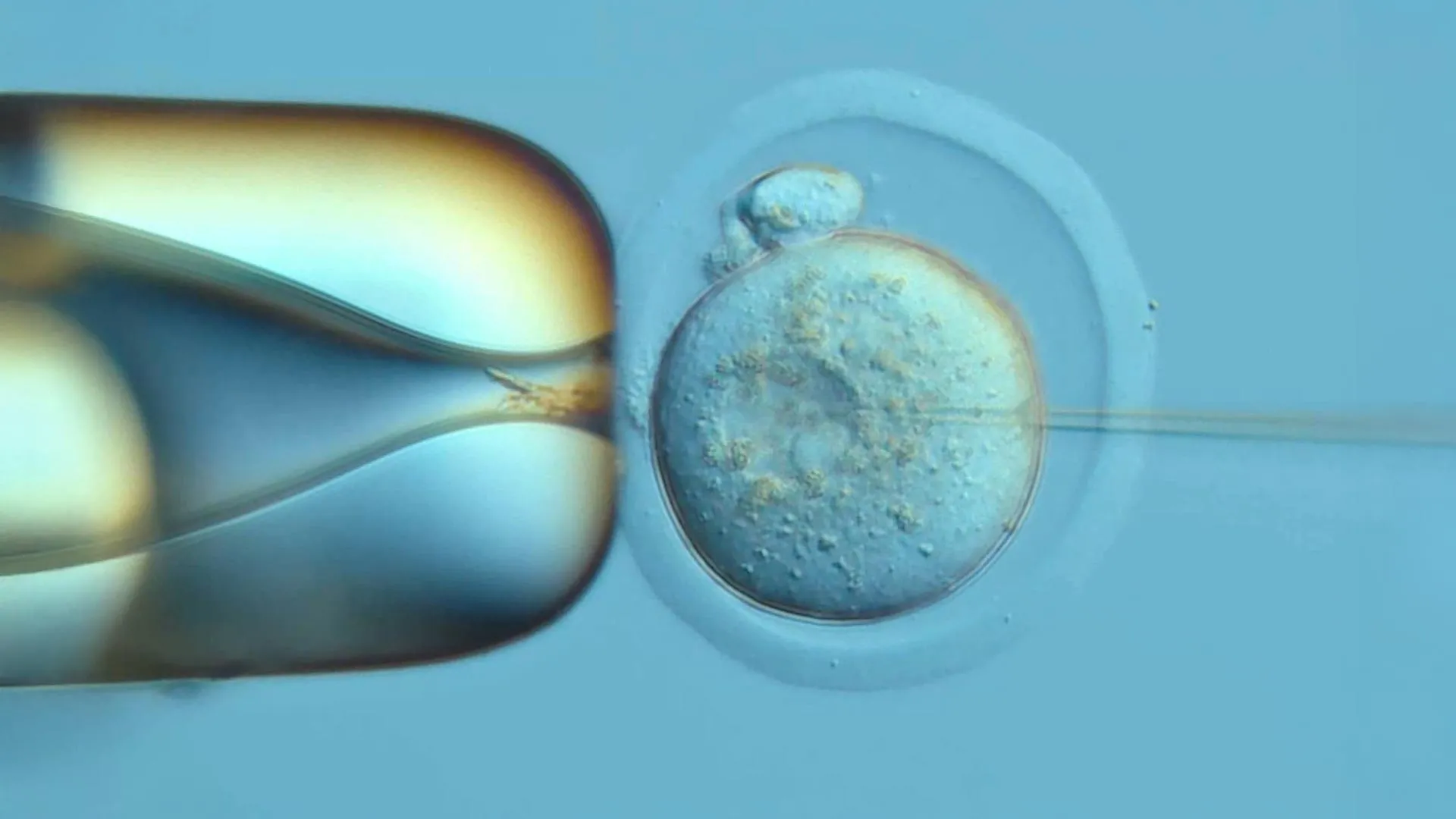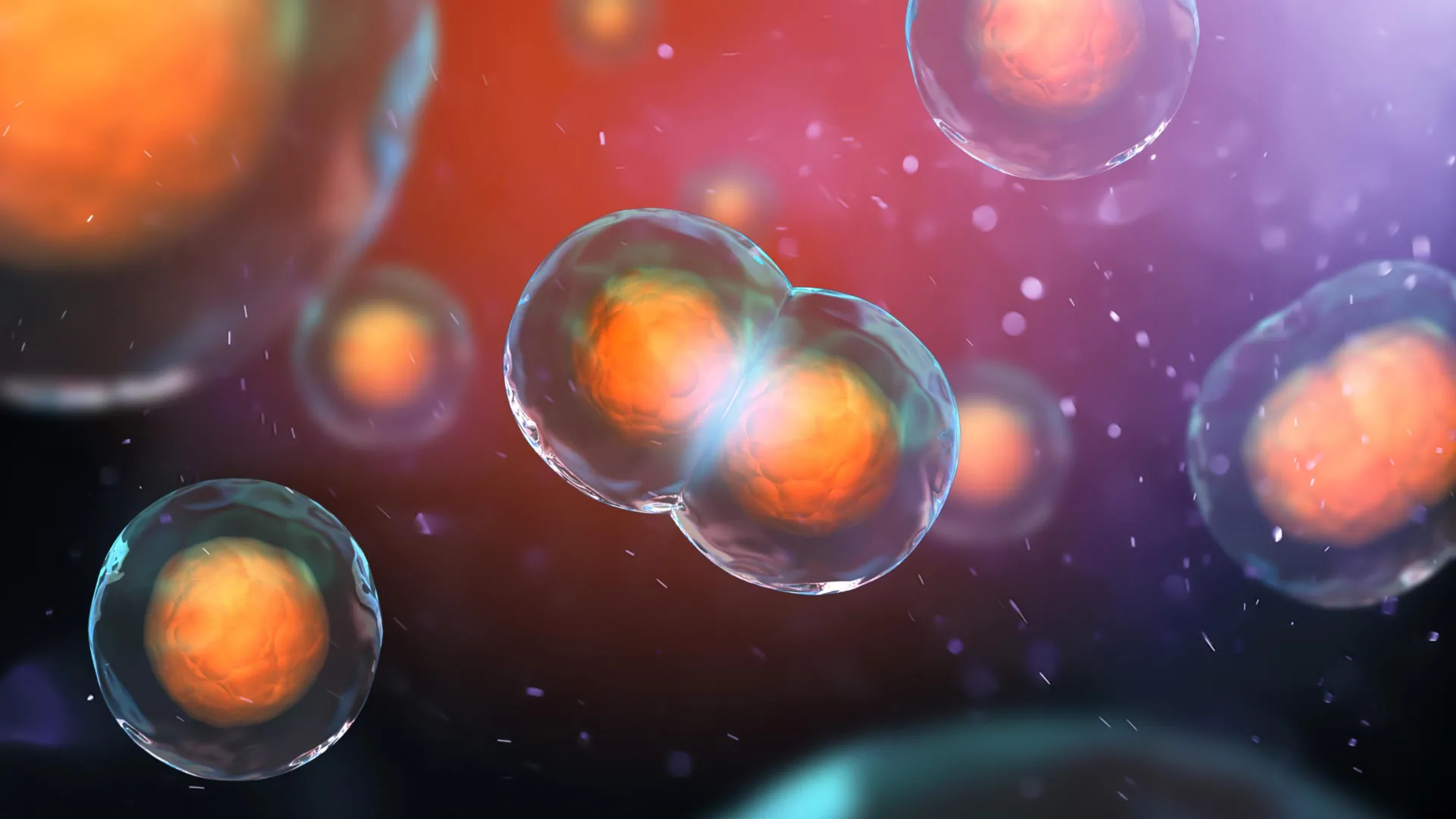
The intricate symphony of cellular division, a fundamental process underpinning life itself, is a marvel of biological engineering. Every second, trillions of cells within the human body orchestrate a precise dance of replication and separation, ensuring the faithful transmission of genetic information to the next generation. This meticulous process relies on the coordinated action of thousands of molecules, operating with astonishing accuracy. However, as recent groundbreaking research from Hokkaido University reveals, even this highly regulated system can falter, leading to unexpected and consequential outcomes. When a cell attempts to divide but fails to fully segregate its duplicated genetic material, it can result in a single cell harboring twice the normal complement of DNA – a condition known as whole genome duplication (WGD). This phenomenon, akin to making two identical copies of a crucial document but inadvertently placing both within the same protective folder, carries significant implications for cellular health and organismal well-being, with potential links to disease development.
The Criticality of DNA Replication and Cell Separation
At the heart of cellular division lies the imperative to replicate the cell’s entire DNA blueprint. This ensures that each nascent daughter cell receives an identical and complete set of genetic instructions, vital for its proper function and survival. Following successful DNA replication, the cell must then undergo a physical division, or cytokinesis, to separate into two distinct entities. It is at this juncture, either during or after the DNA replication phase, that catastrophic errors can occur, leading to WGD.
Scientists have long recognized that WGD is not a benign event. Cells burdened with an excess of genetic material may exhibit a cascade of dysfunctions. These can range from impaired normal functioning and premature senescence (cellular aging) to outright cell death. In some instances, WGD can also trigger cellular transformation, leading cells to adopt entirely different identities or contributing to the pathological accumulation of age-related damage. Most alarmingly, WGD has been identified as a significant driver in the development and progression of various diseases, most notably cancer.
Unraveling the Mechanisms of Cellular Division Failure
Despite the known consequences of WGD, a critical question has remained largely unanswered: do the specific ways in which a cell fails during division lead to different downstream effects? This is the central inquiry that researchers at Hokkaido University set out to investigate. Their comprehensive study, published recently in a leading scientific journal, meticulously examined two primary pathways that can lead to whole genome duplication: cytokinesis failure and mitotic slippage.
Cytokinesis Failure: The Near-Complete Division
In cases of cytokinesis failure, the cell successfully navigates the complex stages of nuclear division, including the accurate replication and segregation of chromosomes. The cell’s genetic machinery has performed its duty admirably. However, at the very final hurdle of physical separation, the cell falters. The contractile ring, the molecular machinery responsible for pinching the cell in two, either fails to form correctly or cannot complete its task. The outcome is a single, enlarged cell containing two complete sets of chromosomes, a testament to a near-miss in the division process.
Mitotic Slippage: The Premature Exit
Mitotic slippage presents a starkly different scenario. Here, the cell initiates the division process, but its progression is prematurely halted. The intricate choreography of chromosome alignment and separation, a critical phase known as mitosis, is disrupted. Chromosomes may not be fully condensed or properly attached to the spindle fibers that guide their movement. Consequently, the cell exits mitosis before the genetic material has been evenly distributed, often leading to an unbalanced distribution of chromosomes in the subsequent WGD event.
Associate Professor Ryota Uehara, the corresponding author of the study, highlighted the long-standing ambiguity surrounding these distinct failure mechanisms. "While whole genome duplication occurs through multiple cellular processes, it has been unclear whether differences in the route affect the characteristics of the resulting cells," stated Uehara. This research aimed to bridge that knowledge gap, providing crucial insights into the nuanced outcomes of these seemingly similar errors.
A Tale of Two Failures: Divergent Cell Fates
The Hokkaido University team employed cutting-edge live cell imaging techniques coupled with chromosome-specific labeling to meticulously track the behavior of cells following WGD through these two distinct pathways. Their findings revealed a dramatic divergence in the cellular fates determined by the mechanism of failure.
Cells that underwent WGD due to cytokinesis failure demonstrated a remarkable resilience. They were significantly more stable and exhibited a substantially higher probability of long-term survival. This stability suggests that the precise replication and relatively balanced distribution of chromosomes, despite the failure to physically divide, provided a more tenable genetic environment for the cell.
In stark contrast, cells produced through mitotic slippage often displayed a more precarious existence. These cells were frequently characterized by uneven chromosome distribution, a direct consequence of the premature exit from mitosis. This genetic imbalance proved detrimental, leading to significantly lower survival rates. The chaotic arrangement of chromosomes within these cells created a state of severe genetic instability, making their continued existence problematic.
Chromosome Organization: The Decisive Factor
The researchers identified chromosome organization as the pivotal determinant of these differential outcomes. In mitotic slippage, the haphazard segregation of chromosomes during the premature exit from mitosis resulted in aneuploidy – an abnormal number of chromosomes in the daughter cells. This genetic chaos severely compromised the cell’s ability to function and survive. Conversely, in cytokinesis failure, while the cell failed to split, the chromosomes themselves had generally been replicated and segregated in a more orderly fashion, leading to a balanced, albeit doubled, genome. This greater degree of chromosomal order contributed to the enhanced stability and viability of these cells.
Further strengthening their hypothesis, the researchers conducted experimental manipulations. By actively intervening to improve chromosome separation in cells undergoing mitotic slippage, they observed a significant increase in the viability of these otherwise fragile cells. This direct intervention underscored the critical role of proper chromosome segregation in determining cellular fate following WGD.
Implications for Cancer Research and Therapeutic Strategies
The implications of this research extend far beyond fundamental cell biology, holding significant promise for the advancement of cancer research and the development of novel therapeutic strategies. Whole genome duplication is a frequently observed hallmark of cancerous cells, a phenomenon that can arise spontaneously or be inadvertently induced by certain cancer therapies. Tumors often exhibit a high degree of genetic instability, and WGD can exacerbate this instability, driving tumor evolution and resistance to treatment.
The findings from Hokkaido University suggest a potential vulnerability in cancer cells that have undergone WGD. If WGD in cancer cells often stems from mechanisms like mitotic slippage, leading to genetic imbalance, then these cells might be more susceptible to interventions that target chromosome segregation. By understanding and potentially exploiting the mechanisms that lead to imbalanced chromosome distribution, researchers may be able to develop therapies that selectively eliminate these aberrant cells.
The study posits that targeting the intricate processes of chromosome separation could offer a novel avenue for preventing the survival and proliferation of abnormal cells that have acquired extra DNA. Cells that survive WGD, particularly those with stable, doubled genomes, can contribute to tumor recurrence and metastasis, posing a significant challenge in cancer treatment. By disrupting the pathways that lead to unstable WGD, or by making even stable WGD cells more vulnerable, clinicians could potentially improve treatment outcomes and reduce the likelihood of disease relapse.
Professor Uehara emphasized the paradigm shift this research offers: "There are different mechanisms through which whole genome duplication can occur, but their distinct impacts have largely been overlooked. We challenged this conventional view by comparing cells formed through different mechanisms and found that these differences can influence cell behavior over the long term." This nuanced understanding of WGD’s origins could pave the way for more targeted and effective interventions in various disease contexts.
A Timeline of Discovery and Future Directions
The research leading to these significant findings can be traced back to the ongoing efforts within cellular and molecular biology to understand the fundamental processes of cell division. While the existence of WGD has been known for decades, and its association with disease has been recognized, the specific investigation into the differential outcomes based on the mechanism of failure represents a more recent and advanced stage of inquiry.
Early Observations (Pre-2000s): Scientists noted the prevalence of WGD in various cell types, including rapidly dividing tissues and pathological conditions like cancer. Initial studies focused on identifying the presence of WGD and its correlation with cellular dysfunction.
Mechanistic Investigations (2000s-2010s): Research began to dissect the molecular pathways involved in cell division, identifying key proteins and regulatory checkpoints. Studies started to categorize different types of cell cycle errors, including failures in cytokinesis and mitosis.
Focus on Differential Outcomes (2010s-Present): With a growing understanding of the molecular players, researchers began to explore whether different error pathways had distinct consequences. The Hokkaido University study represents a significant milestone in this phase, providing concrete experimental evidence for the differential impacts of cytokinesis failure versus mitotic slippage on cell survival and stability.
Future Directions: This research opens up several exciting avenues for future investigation.
- Therapeutic Target Identification: Further studies are needed to pinpoint the specific molecular targets within chromosome segregation machinery that could be exploited for therapeutic intervention in WGD-associated diseases.
- Broader Disease Relevance: While the implications for cancer are clear, it would be valuable to explore whether WGD arising from different mechanisms plays a role in other diseases, such as developmental disorders or neurodegenerative conditions.
- In Vivo Validation: The current research was primarily conducted in vitro. Future work should aim to validate these findings in more complex living organisms to understand the in vivo relevance of these cellular mechanisms.
- Biomarker Development: The distinct characteristics of WGD cells arising from different failures could potentially serve as biomarkers for disease prognosis or treatment response.
In conclusion, the work by the Hokkaido University researchers has significantly advanced our understanding of cellular division and its potential pitfalls. By differentiating the consequences of cytokinesis failure and mitotic slippage, they have illuminated a critical aspect of cell fate determination. This deeper insight holds immense promise for revolutionizing our approach to diseases where WGD plays a pivotal role, particularly in the ongoing battle against cancer. The intricate dance of cellular life, it appears, has subtle yet profound variations in its missteps, each carrying its own significant consequences.