BD (Becton, Dickinson and Company), a global leader in medical technology, has announced a landmark strategic partnership with Wellstar Health System, one of Georgia’s largest non-profit healthcare providers, to implement an advanced, AI-enabled medication management ecosystem across Wellstar’s extensive network of hospitals and care facilities. This collaboration represents a significant step forward in healthcare innovation, aiming to enhance patient safety, optimize operational efficiency, and empower clinical teams through the seamless integration of medication dispensing, infusion, and inventory management workflows, all powered by artificial intelligence and sophisticated analytics.
Addressing Critical Challenges in Healthcare Pharmacy
The landscape of hospital pharmacy operations is inherently complex and resource-intensive, grappling with myriad challenges that directly impact patient outcomes and institutional budgets. Medication errors, for instance, remain a persistent and alarming concern in healthcare settings globally. Estimates suggest that adverse drug events (ADEs) affect millions of patients annually, with a significant portion being preventable. These errors can range from incorrect dosages and wrong medications to improper administration times, leading to extended hospital stays, increased healthcare costs, and, tragically, preventable patient harm. The manual processes often involved in medication management, from ordering and dispensing to administration and inventory tracking, introduce numerous points of potential human error.
Beyond patient safety, hospitals face immense pressure regarding operational efficiency and cost management. The original article highlights a stark reality: hospital labor costs associated with managing drug shortages nearly tripled between 2019 and 2024, escalating from $359 million to an alarming $894 million annually, according to Vizient, a prominent healthcare performance improvement company. This dramatic increase underscores the profound impact of supply chain disruptions and inefficient inventory practices on healthcare finances and staff workload. Pharmacists and nurses spend considerable time on inventory management, tracking stock levels, ordering supplies, and resolving discrepancies, diverting valuable resources away from direct patient care. The demand for accurate, real-time visibility into medication availability and usage has never been more critical in an era of constrained resources and increasing patient loads.
The BD-Wellstar Collaboration: A Deep Dive into Technology Integration
At the heart of this partnership lies the strategic integration of several key BD technologies, creating a comprehensive, connected medication management platform designed to address these pressing challenges. The core components include BD Pyxis Pro medication dispensing technologies, BD Alaris Infusion Systems, and the newly integrated BD Incada AI-enabled analytics platform.
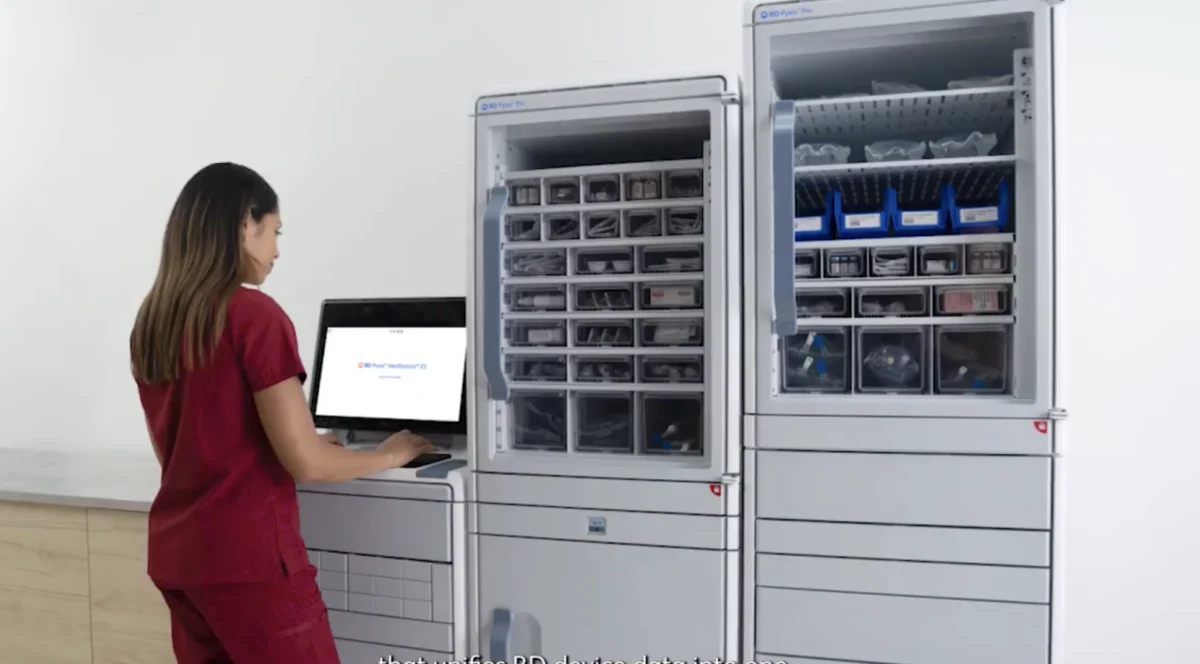
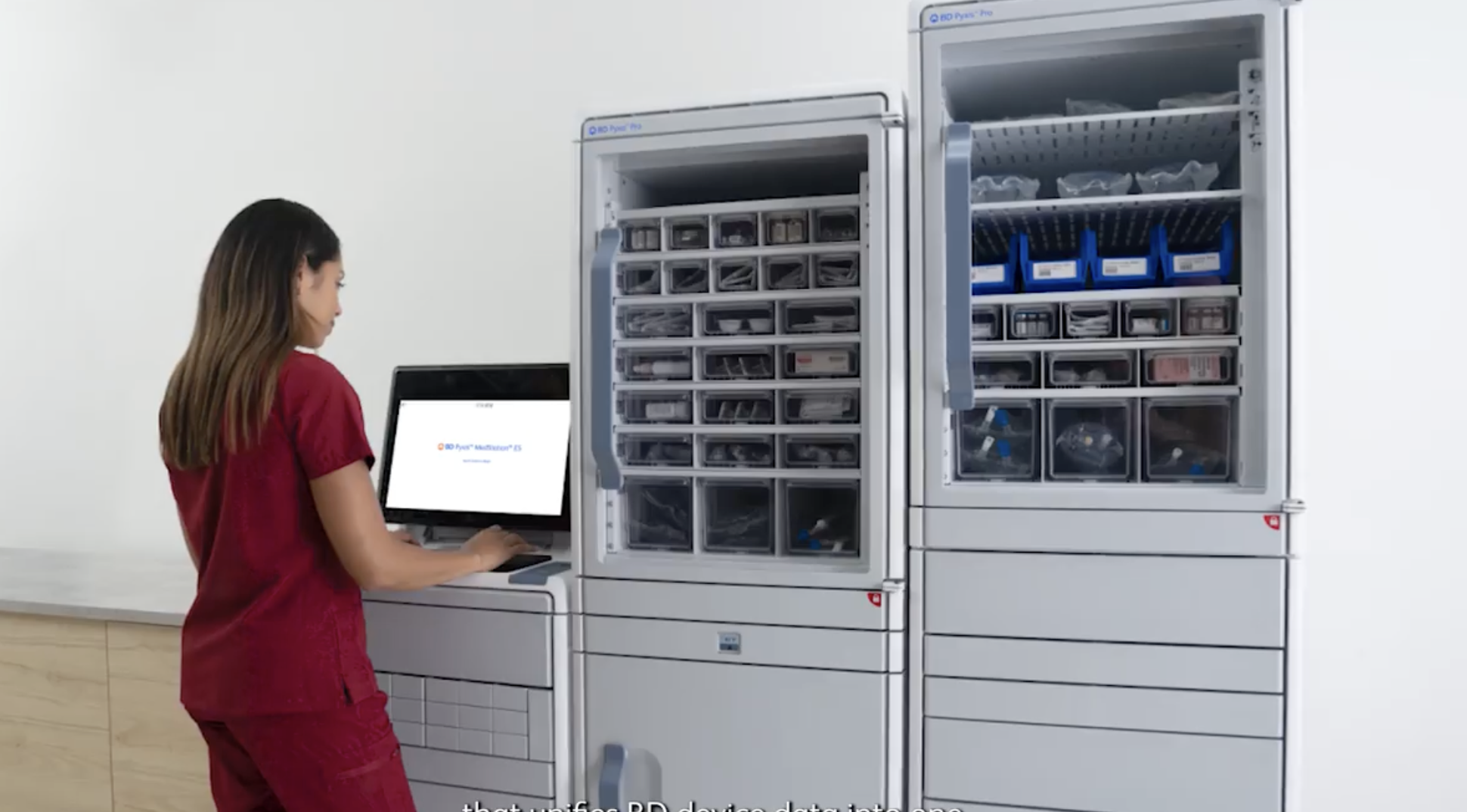
The BD Pyxis Pro automated dispensing cabinets are foundational to modern hospital pharmacy operations. These systems provide secure, automated storage and dispensing of medications, reducing manual handling, improving inventory control at the point of care, and enhancing accountability. By ensuring that the right medication is available at the right time for the right patient, Pyxis Pro significantly mitigates the risk of dispensing errors.

Complementing the dispensing capabilities are the BD Alaris Infusion Systems. Often referred to as "smart pumps," these advanced infusion devices are designed to deliver intravenous fluids and medications with precision and safety. A critical feature of the Alaris system, and a cornerstone of this integration, is its EMR Interoperability. This functionality allows clinicians to leverage barcode scanning to securely transmit infusion orders directly from the electronic medical record (EMR) to the infusion pump. Crucially, the system also sends infusion status updates back into the EMR, creating a closed-loop communication pathway. This real-time, bidirectional data flow ensures that medication administration is aligned with physician orders, provides an immediate record of administration, and flags any deviations, thereby significantly reducing the potential for administration errors and enhancing documentation accuracy.
The truly transformative element of this collaboration is the integration of BD Incada, an AI-enabled analytics and natural-language querying platform specifically designed for enterprise medication inventory management. BD Incada acts as the intelligent hub, connecting and analyzing data from Pyxis Pro and other medication-related systems. Its capabilities include:
- Real-time Visibility: Providing an up-to-the-minute overview of medication availability across Wellstar’s entire network. This holistic view allows pharmacy leaders to proactively identify potential shortages, optimize stock levels, and prevent medication stock-outs.
- Customizable Dashboards: Offering tailored views of key performance indicators (KPIs) and operational metrics, enabling administrators and pharmacists to monitor specific aspects of medication inventory and usage that are most relevant to their roles.
- On-demand Inventory Insights: Leveraging AI to analyze vast datasets and provide actionable insights, such as predicting demand fluctuations, identifying slow-moving inventory, and optimizing ordering processes.
- Natural-Language Querying: This innovative feature allows users to interact with the system using plain English questions, rather than complex code or predefined reports. For example, a pharmacist could ask, "What is our current stock of insulin glargine across all facilities?" and receive an immediate, precise answer. This significantly lowers the barrier to accessing critical data, making advanced analytics accessible to a wider range of staff.
Omar Ahmed, SVP R&D, Connected Care Segment at BD, elaborated on Incada’s sophisticated natural-language interface, emphasizing its distinction from general-purpose large language models. He explained, "The BD Incada natural language query is a layered system where a large language model translates user questions into structured queries using a governed semantic layer that maps business terms to data." This layered approach ensures that queries are translated accurately and executed against validated hospital data, not speculative information. He added, "The system then validates those queries through schema checks, access controls, and rule-based or statistical guardrails before execution," followed by further training and safety guardrails to guarantee that the plain-language answers delivered to users are precise and reliable. This rigorous validation architecture is paramount to ensuring the trustworthiness and clinical safety of the data provided.
Strategic Vision and Operational Impact from Wellstar’s Perspective
Wellstar Health System’s decision to partner with BD and deploy these advanced technologies reflects its forward-thinking approach to healthcare delivery. Susan Wright, Pharm.D., vice president of pharmacy services at Wellstar Health, articulated the system’s commitment via email: "Wellstar uses advanced technologies, including the AI-powered tools by BD, to supercharge our team members’ ability to deliver the highest levels of clinical care, safety, quality and patient experience."
Dr. Wright underscored that while technology provides powerful support, human oversight and critical thinking remain indispensable. She highlighted that accuracy in medication management relies heavily on team members’ judgment, local oversight, and decision-making, which are robustly supported by multiple validation layers. These layers include medication barcode scanning at various stages, EMR cross-checks, and other system controls designed to catch potential discrepancies. Furthermore, Wellstar actively monitors metrics related to Incada’s performance, maintaining a vigilant focus on continuously improving medication safety outcomes. This statement reinforces that AI is viewed as an augmentative tool, enhancing human capabilities rather than replacing them, aligning with a patient-centric philosophy where technology serves to empower caregivers.
Wellstar’s engagement with BD extends beyond this implementation, as the health system also contributes to the Strategic Development Council for BD’s Medication Management Solutions business. In this capacity, Wellstar executives share their invaluable expertise across various domains, including enterprise pharmacy operations, medication safety protocols, nursing practices, and health informatics. This collaborative relationship ensures that BD’s product development is informed by real-world clinical needs and operational insights from a leading healthcare provider, fostering a symbiotic innovation cycle that benefits both organizations and, ultimately, patients. For Wellstar, this partnership is expected to translate into significant improvements:
- Reduced Medication Errors: By automating processes and integrating data, the risk of human error at dispensing, administration, and inventory levels is substantially minimized.
- Enhanced Staff Efficiency: Pharmacists and nurses can dedicate more time to direct patient care and clinical consultation, freed from time-consuming manual inventory checks and administrative tasks.
- Optimized Inventory Management: Real-time data and AI-driven insights lead to more accurate forecasting, reduced waste from expired medications, and better management of drug shortages.
- Improved Patient Experience: Safer medication practices contribute to better health outcomes and a higher level of trust in the care provided.
Navigating the Regulatory Landscape: BD’s Prudent Approach to AI
The deployment of AI in healthcare, particularly in areas closely related to patient care, naturally raises questions about regulatory oversight. BD is keenly aware of these considerations and has adopted a deliberate, layered approach to the functionality of Incada, especially concerning its interaction with clinical decision-making. Omar Ahmed explicitly stated that BD is focusing Incada’s initial applications on operational data, inventory, and workflow optimization, where insights are primarily descriptive rather than patient-specific.
This strategic positioning is crucial for regulatory compliance. Software functions that directly influence patient care decisions can fall under the purview of FDA medical device oversight, which entails stringent requirements for validation, safety, and efficacy. By drawing a clear boundary and avoiding patient-level recommendations, BD aims to keep Incada primarily in the realm of operational support. Ahmed confirmed this careful distinction: "BD will draw a clear boundary by avoiding patient-level recommendations, requiring human oversight, and limiting early use cases to informational insights rather than prescriptive clinical guidance." This means Incada will provide data and insights to help healthcare professionals make informed decisions, but it will not independently prescribe treatments or make diagnostic recommendations. The emphasis remains on augmenting human intelligence and efficiency in operational management, leaving the ultimate clinical judgment to qualified healthcare providers. This responsible approach ensures that the benefits of AI are harnessed while maintaining the highest standards of patient safety and regulatory adherence.
The Broader Implications: A Blueprint for Future Pharmacy Management
The partnership between BD and Wellstar is more than just a technological upgrade for one health system; it represents a significant blueprint for the future of medication management across the broader healthcare industry. Its implications are far-reaching:
- Unprecedented Patient Safety Enhancement: By creating a truly connected "pharmacy-to-bedside" system, the potential for human error at every stage of the medication lifecycle—from prescription verification to dispensing, administration, and monitoring—is drastically reduced. Barcode scanning, EMR integration, and AI-driven validation layers create a robust safety net, leading to fewer adverse drug events and better patient outcomes.
- Revolutionizing Operational Efficiency and Cost Savings: The ability to gain real-time, comprehensive visibility into medication inventory and usage patterns, coupled with AI-powered analytics, enables healthcare systems to optimize their supply chain like never before. This translates into significant cost savings by minimizing waste from expired or unused medications, preventing overstocking, and efficiently managing drug shortages. The reduction in labor hours spent on manual inventory tasks further frees up valuable human capital, allowing staff to focus on higher-value activities.
- Empowering Healthcare Professionals: By automating routine and repetitive tasks, this integrated system empowers pharmacists, nurses, and other clinicians. It reduces their administrative burden, alleviates stress associated with medication management complexities, and allows them to dedicate more time to direct patient interaction, clinical consultation, and complex problem-solving. This shift can improve job satisfaction and help combat healthcare professional burnout.
- Scalability and Replicability: The success of this integrated model at Wellstar could serve as a powerful case study and a scalable framework for other healthcare systems grappling with similar challenges. As healthcare organizations increasingly seek to leverage technology for efficiency and safety, solutions that demonstrate tangible improvements in real-world settings will be highly sought after.
- The Evolving Role of AI in Healthcare: This partnership exemplifies the growing trend of AI adoption beyond diagnostics and drug discovery, into the operational backbone of healthcare. It highlights AI’s potential to transform logistical challenges, improve workflow, and enhance the quality and safety of patient care delivery in practical, impactful ways. It sets a precedent for how AI can be integrated responsibly into critical healthcare processes.
Challenges and Future Outlook
While the benefits are substantial, the implementation of such a sophisticated system is not without its challenges. These may include the initial investment costs, the complexity of integrating diverse legacy IT systems, and the need for comprehensive staff training to ensure effective adoption and utilization of the new technologies. Change management will be crucial to ensure a smooth transition and maximize the system’s potential.
Looking ahead, the evolution of AI in medication management promises even greater advancements. As regulatory frameworks mature and confidence in AI’s capabilities grows, there is potential for Incada-like systems to eventually provide more prescriptive clinical guidance, albeit under strict oversight and with robust validation. The continuous refinement of natural language processing and machine learning algorithms will likely lead to even more intuitive interfaces and deeper, more predictive insights into medication usage and patient response. The BD-Wellstar partnership is a foundational step in this ongoing journey, demonstrating how strategic collaboration and innovative technology can collectively push the boundaries of patient care and operational excellence in healthcare.
This partnership marks a significant milestone in healthcare technology, illustrating a proactive approach to leveraging artificial intelligence to create a safer, more efficient, and more responsive medication management ecosystem. By connecting pharmacy-to-bedside with intelligent automation, BD and Wellstar are not only addressing current challenges but also laying the groundwork for a more technologically advanced and patient-centric future in healthcare.