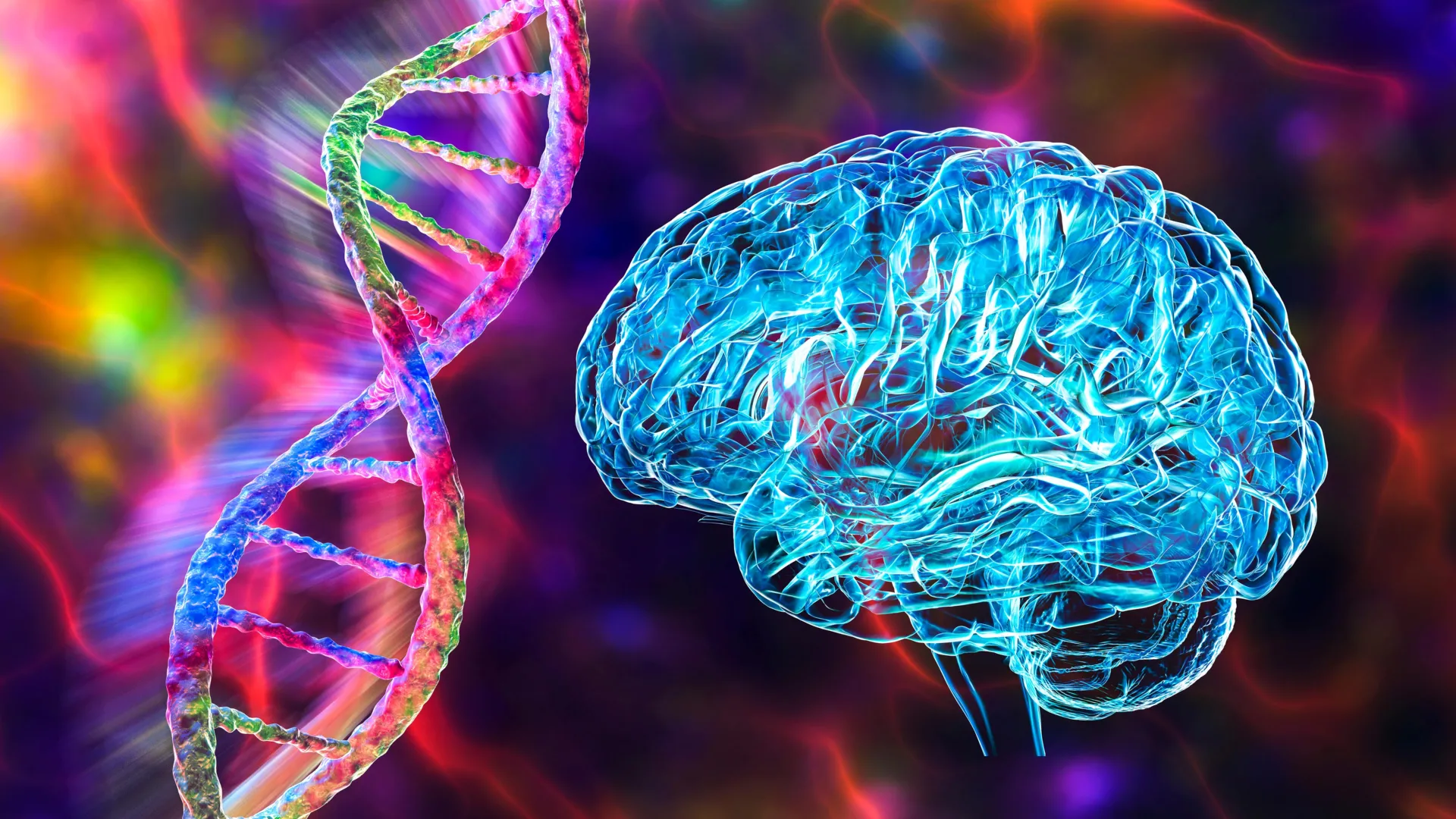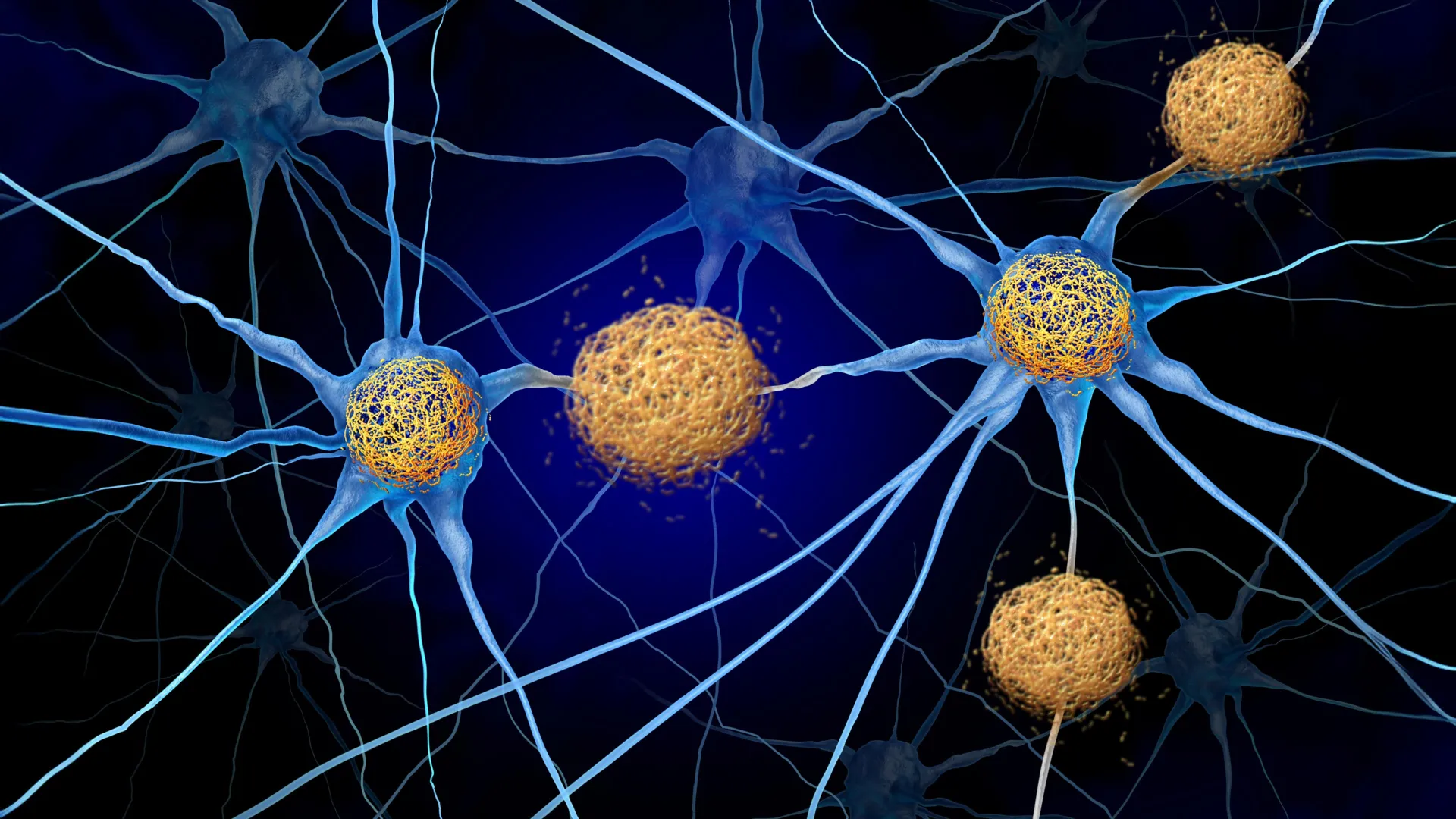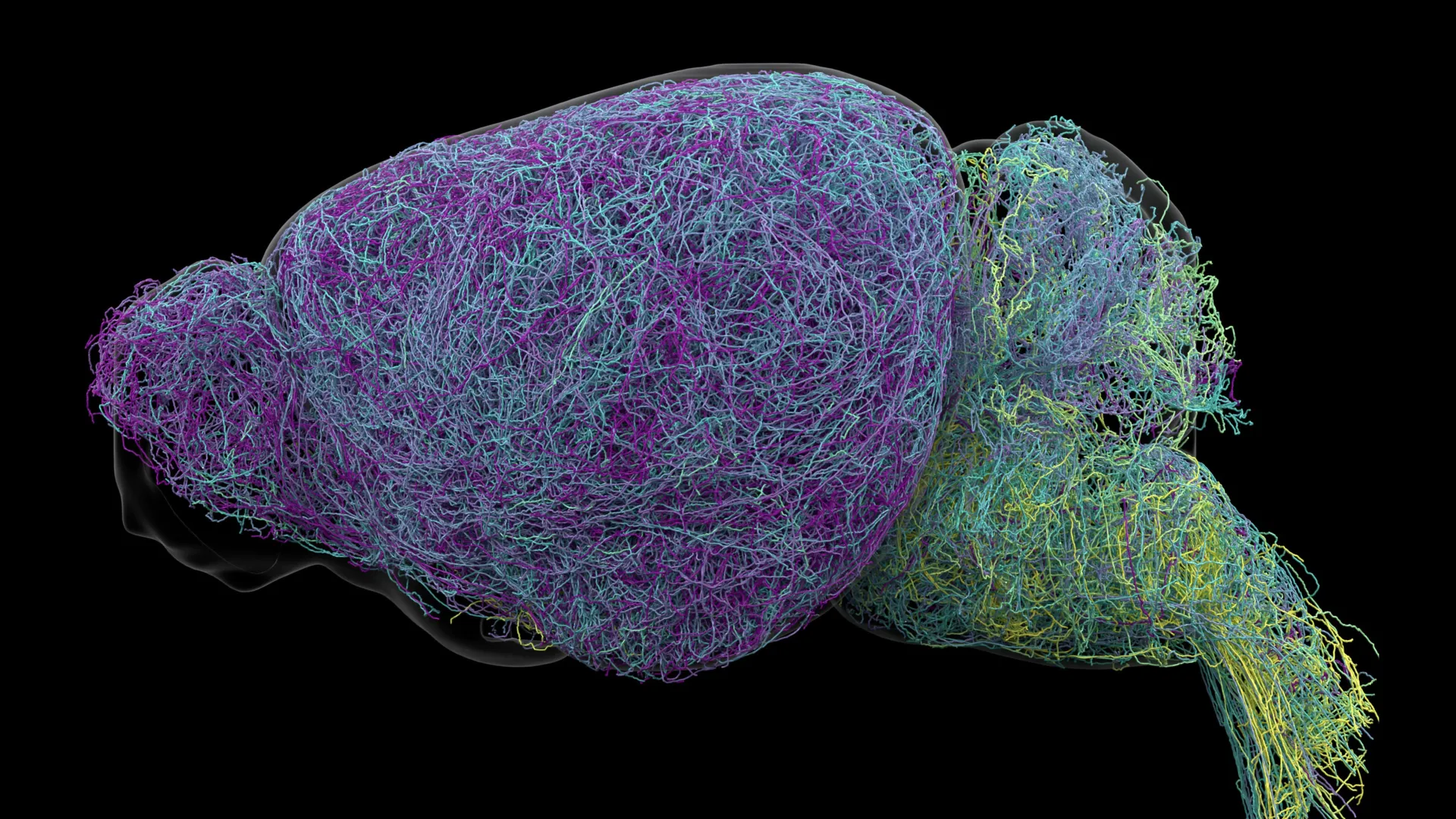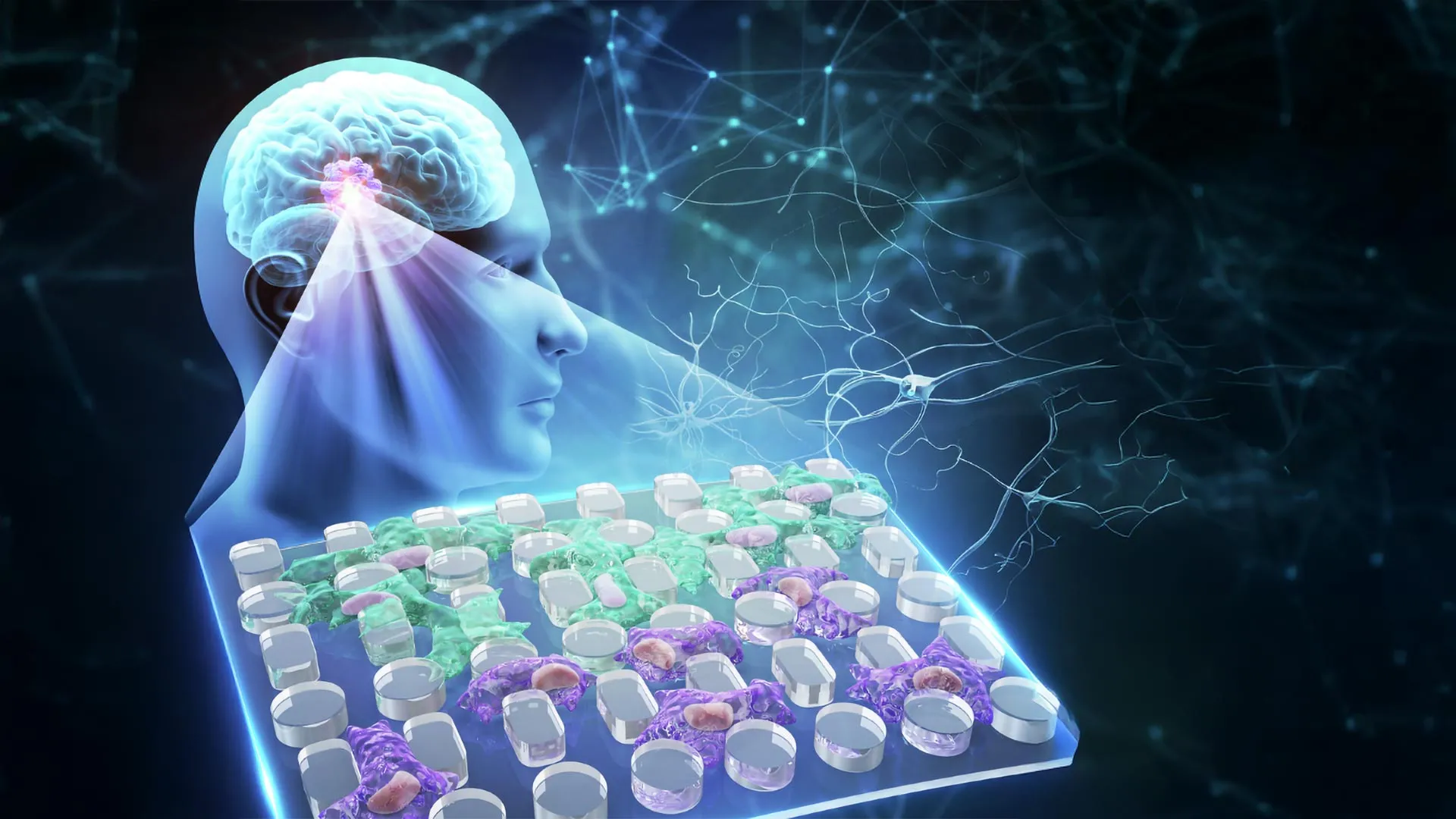
The landscape of neurodegenerative research has shifted significantly following a landmark discovery by scientists at King’s College London (KCL), who have identified a first-in-class small molecule capable of addressing the earliest biological markers of Alzheimer’s disease. The experimental drug, designated KCL-286, represents a departure from traditional treatment modalities that focus primarily on the late-stage accumulation of protein plaques. Instead, KCL-286 targets DNA damage and neuroinflammation—two processes that scientists now believe are among the primary drivers of cognitive decline.
Originally developed to facilitate recovery from spinal cord injuries, KCL-286 has already successfully navigated Phase 1 human safety trials. This clinical history provides a unique advantage, potentially bypassing years of preliminary safety testing and accelerating the drug’s path toward regulatory approval for Alzheimer’s patients. The research, led by the Institute of Psychiatry, Psychology & Neuroscience (IoPPN) at King’s College London, suggests that by intervening in the disease’s progression before irreversible brain cell loss occurs, KCL-286 could redefine the standard of care for millions of individuals worldwide.
A Paradigm Shift in Alzheimer’s Therapeutics
For decades, the "amyloid hypothesis" dominated the field of Alzheimer’s research. This theory posited that the buildup of amyloid-beta plaques in the brain was the primary cause of the disease. Consequently, the pharmaceutical industry invested billions of dollars into developing monoclonal antibodies designed to clear these plaques. While drugs such as lecanemab and aducanumab have recently gained regulatory milestones, their clinical benefits remain a subject of intense debate among neurologists. These treatments often provide only modest slowing of cognitive decline and are frequently associated with side effects, such as brain swelling or microhemorrhages.
The KCL study acknowledges that while amyloid-beta and tau proteins are undeniable hallmarks of the disease, they may be symptoms of deeper cellular dysfunctions. By the time plaques are visible on a PET scan, significant neurological damage has often already occurred. KCL-286 aims to intervene much earlier by focusing on DNA repair and the reduction of chronic inflammation. This "disease-modifying" approach seeks to preserve the structural integrity of neurons rather than simply cleaning up protein debris after the damage is done.
The Mechanism of Action: Retinoic Acid and DNA Repair
The therapeutic potential of KCL-286 lies in its ability to activate specific pathways within the retinoic acid system. Retinoic acid, a metabolite of Vitamin A, plays a critical role in the development and maintenance of the central nervous system. It acts as a signaling molecule that influences gene expression related to cell growth, differentiation, and survival.
Previous research has indicated that disruptions in the retinoic acid signaling pathway are closely linked to the neurodegenerative processes seen in Alzheimer’s. In animal models, deficiencies in this pathway have been shown to accelerate the formation of amyloid deposits and exacerbate memory loss. KCL-286 functions as a potent activator of the retinoic acid receptor beta (RARβ). By stimulating this receptor, the drug enhances the brain’s natural ability to repair itself.
One of the most significant findings of the KCL study is the drug’s impact on DNA double-strand breaks (DSBs). Professor Jonathan Corcoran, Professor of Neuroscience at the IoPPN, likens these breaks to a rope snapping completely in two. Unlike minor "fraying" or single-strand nicks, double-strand breaks are catastrophic for a cell’s genetic stability. In a healthy brain, repair mechanisms quickly mend these breaks; however, in the early stages of Alzheimer’s, these mechanisms fail. KCL-286 has demonstrated a remarkable ability to promote the repair of these breaks, effectively "splicing" the genetic rope back together and preventing the cell death that leads to cognitive impairment.
Chronology of Development: From Spinal Cord to Cognitive Care
The journey of KCL-286 did not begin in the field of dementia. Its development follows a strategic timeline of "indication expansion," where a drug’s mechanism is found to be applicable to multiple conditions.
- Initial Discovery and Spinal Cord Research: The research team at King’s College London initially developed KCL-286 to address the lack of regenerative therapies for acute spinal cord injuries. The goal was to find a molecule that could stimulate axonal growth and repair damaged neural pathways.
- Identification of Shared Pathways: During the development phase, researchers noted that the molecular pathways involved in spinal cord trauma—specifically those related to inflammation and DNA instability—bore a striking resemblance to the early stages of Alzheimer’s disease.
- Phase 1 Safety Trials: KCL-286 underwent Phase 1 clinical trials to assess its safety and tolerability in humans. These trials were successful, proving that the drug is "orally bioavailable," meaning it can be taken as a pill and effectively absorbed into the bloodstream.
- Application to Alzheimer’s Models: Armed with safety data, the researchers transitioned to testing the molecule in mouse models specifically engineered to mimic Alzheimer’s disease. The results, recently published, confirmed that the drug could cross the blood-brain barrier and reduce inflammation while repairing DNA damage.
This chronology is vital for the pharmaceutical pipeline. Typically, a new drug takes 10 to 15 years to move from the laboratory to the pharmacy shelf. Because KCL-286 has already cleared the Phase 1 hurdle, it could potentially reach Phase 2 and Phase 3 trials—which test efficacy in larger patient groups—much faster than a completely new compound.
Supporting Data and Preclinical Observations
In the preclinical mouse models utilized by the King’s College team, KCL-286 demonstrated a multifaceted impact on brain health. The researchers monitored several key biomarkers to quantify the drug’s effectiveness:
- Reduction in Microglial Activation: Microglia are the brain’s resident immune cells. While they are necessary for clearing debris, overactive microglia cause chronic neuroinflammation, which kills healthy neurons. Mice treated with KCL-286 showed a significant decrease in inflammatory markers, suggesting a "calming" effect on the brain’s immune response.
- DNA Integrity Scores: Using advanced imaging techniques, the team measured the frequency of DNA double-strand breaks in the hippocampus—the area of the brain responsible for memory. The KCL-286 group showed a marked reduction in these breaks compared to the control group.
- Cognitive Performance: Beyond cellular data, the mice were subjected to behavioral tests. Those treated with the experimental drug performed better in spatial memory tasks, indicating that the cellular repairs were translating into functional benefits.
Dr. Maria Goncalves, the project manager for the drug’s development, emphasized that these findings distinguish KCL-286 from previous candidates. "This highlights its potential as a disease-modifying therapy," she noted, pointing out that the drug addresses the root causes of degeneration rather than just the outward symptoms.
Institutional and Industrial Reactions
While the study was conducted by academic researchers, the implications have resonated throughout the medical and pharmaceutical communities. Observers suggest that KCL-286 could be a "pipeline in a pill," given its potential applications for spinal cord injury, neuropathic pain, and now Alzheimer’s.
Industry analysts have noted that the "orally bioavailable" nature of KCL-286 is a major competitive advantage. Most current Alzheimer’s treatments require expensive intravenous infusions in a clinical setting, which limits accessibility and places a burden on healthcare infrastructure. A daily oral tablet would significantly lower the cost of treatment and improve patient compliance.
Patient advocacy groups, such as Alzheimer’s Research UK and the Alzheimer’s Association, have long called for a diversification of the drug pipeline. The success of KCL-286 provides empirical support for the "multitarget" approach. By addressing DNA damage and inflammation simultaneously, the drug offers a more robust defense against the complexity of the human brain’s aging process.
Broader Impact and Future Implications
The discovery of KCL-286’s efficacy comes at a critical time for global health. According to the World Health Organization, more than 55 million people currently live with dementia, a figure projected to rise to 139 million by 2050. The economic burden is equally staggering, with global costs estimated at over $1.3 trillion annually.
If KCL-286 proves successful in human Alzheimer’s trials, it could usher in a new era of "precision neurology." This approach would involve screening patients for early markers of DNA damage and inflammation—long before memory loss begins—and prescribing KCL-286 as a preventative or early-intervention measure.
Furthermore, the research validates the importance of studying shared molecular pathways across different types of trauma. The fact that a drug for spinal cord injury can treat dementia suggests that the central nervous system has a universal "language" of repair that scientists are only beginning to decode.
Conclusion and Next Steps
The next phase for KCL-286 will involve transition into Phase 2 clinical trials, where it will be tested on human patients in the early stages of Alzheimer’s disease or Mild Cognitive Impairment (MCI). These trials will be crucial in determining whether the DNA repair and anti-inflammatory benefits observed in mice will translate into a meaningful slowing of memory loss in humans.
Professor Corcoran and his team remain optimistic, citing the drug’s proven safety profile as a reason for confidence. As the global scientific community continues to move beyond the amyloid hypothesis, KCL-286 stands as a prominent example of the next generation of neurotherapeutics: drugs that are faster to develop, easier to administer, and designed to protect the very blueprint of life within our neurons.