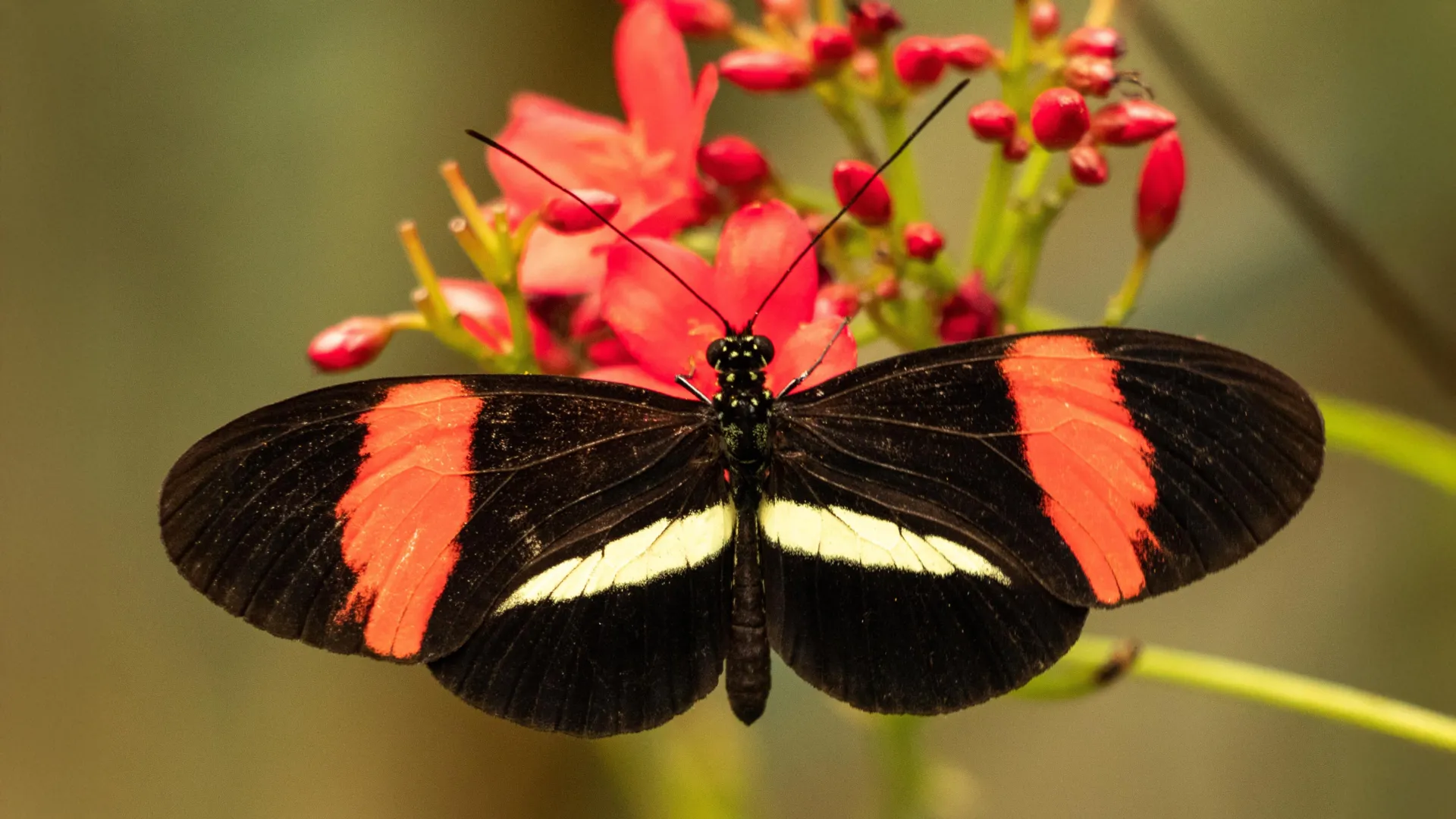
A groundbreaking study led by the University of Bristol has revealed that a captivating group of tropical butterflies, the Heliconius tribe, may have unlocked an extraordinary evolutionary secret to prolonged health and vitality: a significantly slowed aging process. Published on June 16 in the prestigious journal Nature Communications, the research offers compelling evidence that these vibrant insects are not merely living longer, but are actively resisting the biological decline typically associated with aging. This discovery positions Heliconius butterflies as a crucial new model organism for understanding the fundamental biology of longevity across the animal kingdom.
The Enigma of Heliconius Longevity
Found gracing the lush rainforests of Central and South America, the Heliconius butterflies are already renowned for their striking wing patterns and their unique ability to engage in adult pollen feeding, a rarity among Lepidoptera. While most butterfly species experience a fleeting adult life, often lasting only a few weeks, the Heliconius tribe stands apart. The University of Bristol study meticulously documented that some Heliconius species can survive for approximately three times longer than their closest non-pollen-feeding relatives, with certain individuals achieving lifespans approaching a full year.
A particularly striking example highlighted in the research involved Heliconius hewitsoni, which was observed to live for an astonishing 348 days. In stark contrast, a closely related species, Dione juno, a butterfly with a similar ecological niche but without the pollen-feeding habit, survived for a mere 14 days. This remarkable 25-fold difference in maximum lifespan underscores the profound evolutionary divergence within closely related lineages and points towards potent mechanisms driving extended longevity. The study’s findings strongly suggest that Heliconius butterflies have evolved a distinctive strategy for extending their lifespan, offering invaluable insights into the biological processes that govern aging in nature.
Unraveling the Biological Markers of Slower Aging
The research team, collaborating with scientists from the Smithsonian Tropical Research Institute in Panama, unearthed an even more surprising revelation concerning the aging process itself. At least one species within the Heliconius tribe, Heliconius hecale, exhibited minimal to no measurable physical deterioration as it aged. This observation challenges conventional understanding of aging, which typically involves a progressive decline in physiological function.
To quantify this remarkable resilience, the researchers employed a standardized grip strength test. The results were compelling: older H. hecale butterflies demonstrated grip strength comparable to their younger counterparts, displaying no discernible signs of age-related weakening. This contrasts sharply with a closely related, shorter-lived species, Dryas iulia, which exhibited a clear and significant decline in grip strength with advancing age. This comparative analysis strongly supports the hypothesis that Heliconius butterflies may largely circumvent the physical deterioration that is a hallmark of aging in the majority of animal species.
The comprehensive methodology employed by the researchers was crucial in reaching these conclusions. They integrated data from various sources, including established butterfly houses, extensive mark-release-recapture studies conducted in natural habitats, and controlled experiments within insectaries. This multi-faceted approach enabled a robust comparison of lifespan and aging patterns across a broad spectrum of the Heliconiini tribe, providing a robust foundation for their observations. Across the entire group, Heliconius butterflies consistently displayed longer average and maximum lifespans, a lower baseline mortality rate, and notably slower rates of aging compared to their relatives that do not consume pollen as adults.
The Pivotal Role of Pollen Feeding in Longevity
For decades, scientists have recognized the unusually long lives of Heliconius butterflies, but the precise reasons behind this longevity remained elusive. A leading hypothesis has long centered on their unique capacity to feed on pollen during their adult stage. While most butterfly species subsist primarily on nectar, a liquid sugar-rich secretion, adult pollen feeding is a highly unusual dietary strategy. Pollen is a nutrient-dense source, rich in proteins, lipids, and essential amino acids, which could theoretically provide the building blocks for enhanced physiological maintenance and repair.
To rigorously test this hypothesis, the researchers designed experiments that directly compared a pollen-feeding species, Heliconius hecale, with its non-pollen-feeding relative, Dryas iulia. The findings from these experiments provided significant support for the nutritional hypothesis. H. hecale maintained its body mass and exhibited superior muscle performance for a considerably longer period and did not show the age-related physical decline observed in D. iulia. This suggests that the nutrient-rich pollen diet plays a crucial role in bolstering their physical health and resilience as they age.
However, the study also revealed a nuanced picture. The longevity advantage of Heliconius butterflies did not entirely disappear when pollen was experimentally removed from their diet. Even when deprived of this nutrient-rich food source, H. hecale continued to live substantially longer than its non-pollen-feeding relative. This crucial observation indicates that while nutrition is a significant contributing factor, it is not the sole determinant of their extended lifespan. Evolutionary adaptations, likely developed over millennia, also play a critical role in their remarkable longevity. This interplay between diet and inherent biological mechanisms offers a more comprehensive understanding of their survival advantage.
A New Frontier in Longevity Research
The implications of this research extend far beyond the fascinating world of butterflies. Long-lived species across the animal kingdom have consistently offered invaluable insights into the biological mechanisms that underpin healthy aging. The discovery that Heliconius butterflies exhibit not only extended lifespans but also demonstrably slower rates of aging positions them as an exceptionally promising new model system for investigating the intricate processes of longevity.
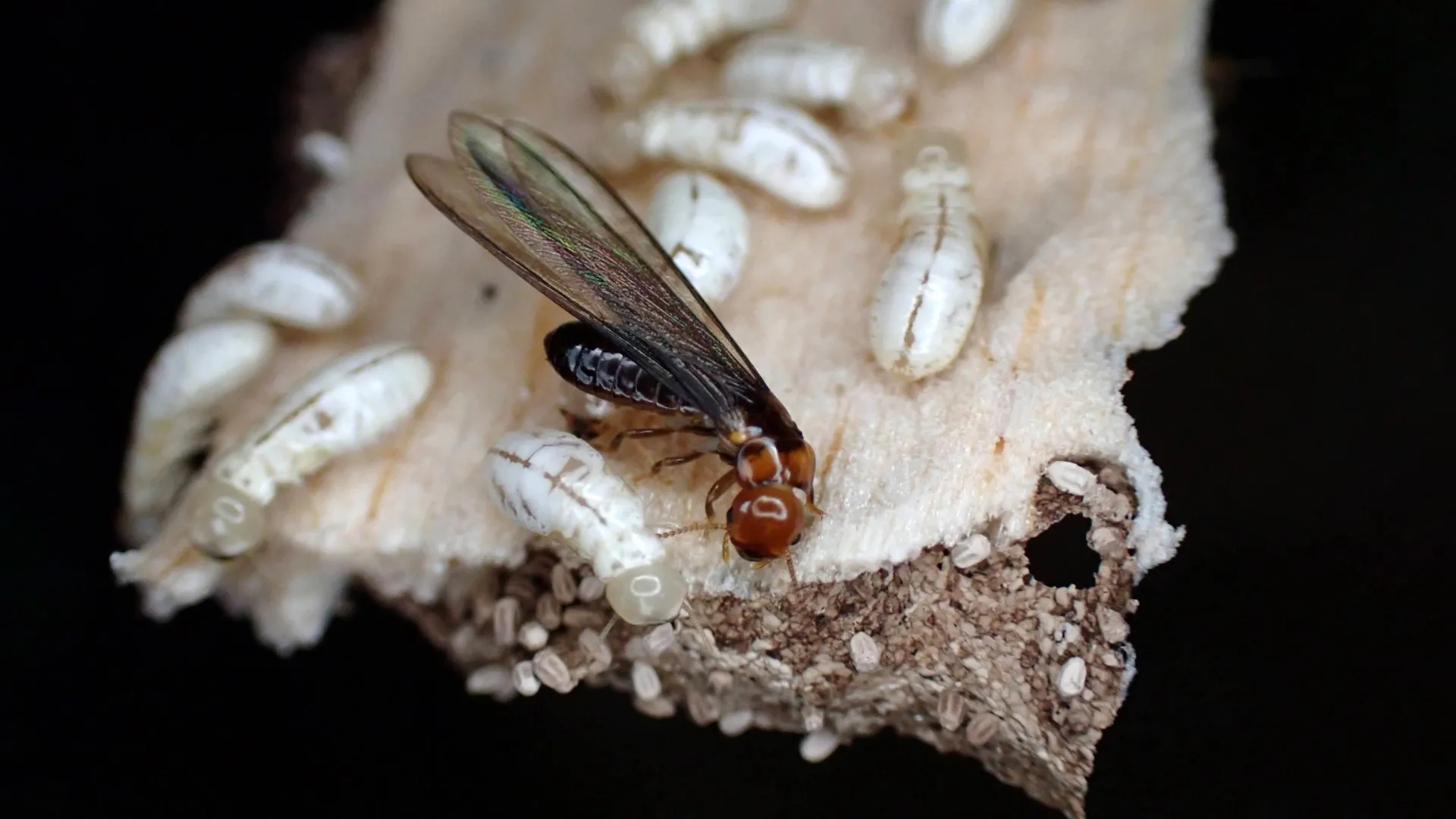
Dr. Jessica Foley, the lead author of the study and a researcher at the University of Bristol’s School of Biological Sciences, articulated the significance of these findings. "As the most species-rich animal class, insects are renowned for their extraordinary morphological and ecological diversity," she stated. "They also exhibit extreme variation in longevity, with maximum lifespans ranging from just a few days in adult mayflies to several decades in the reproductive castes of some ants and termites. This represents a roughly 5,000-fold difference within the class, compared with around a 100-fold difference in lifespan observed in mammals."
Dr. Foley further elaborated on the unique contribution of Heliconius butterflies: "Heliconius butterflies are among the longest-lived butterflies, but what makes them particularly remarkable is that they appear to have evolved not only longer lifespans, but also slower aging. This allows them to live significantly longer than closely related species from which they diverged relatively recently in evolutionary time."
The evolutionary timeline of these divergences is a key aspect of the study’s power. The fact that these differences have emerged relatively recently in evolutionary history means that the genetic and physiological changes responsible for extended lifespan are likely to be more readily identifiable. "The exciting implication of this lifespan extension is that it provides a powerful opportunity to identify the mechanisms that underpin longevity," Dr. Foley continued. "By comparing long-lived Heliconius butterflies with their short-lived relatives, we have a natural evolutionary experiment that can help reveal how lifespan is extended, making them a highly promising new model for research into the biology of aging and longevity."
Broader Implications and Future Research Directions
The study’s findings open up several avenues for future research. Scientists are keen to explore the specific molecular and cellular pathways that contribute to the slowed aging observed in Heliconius butterflies. This could involve investigating gene expression patterns, the efficiency of DNA repair mechanisms, the role of antioxidants, and the management of cellular senescence. Understanding these mechanisms in a naturally occurring, long-lived organism could provide critical insights applicable to human aging and age-related diseases.
Furthermore, the research prompts deeper investigation into the evolutionary pressures that may have driven the development of pollen feeding and slower aging in this specific butterfly lineage. Did shifts in predator populations, changes in resource availability, or the need to overcome specific environmental challenges favor longer lifespans? Answering these questions will contribute to a more holistic understanding of how ecological factors can shape the fundamental biology of longevity.
The identification of Heliconius hecale as a model of slowed aging also has significant implications for conservation efforts. Understanding the specific dietary and environmental needs of these long-lived species could inform strategies to protect their habitats and ensure their continued survival in the face of ongoing environmental change.
In essence, the University of Bristol-led study has not only illuminated the extraordinary longevity of Heliconius butterflies but has also provided a powerful new lens through which to view the universal process of aging. By studying these captivating insects, researchers are poised to make significant strides in our understanding of how to promote healthier, longer lives, not just for butterflies, but potentially for a wide range of organisms, including humans. The rainforests of Central and South America, it appears, are home to living laboratories that hold profound secrets to the very nature of life and its duration.